
Delta COVID variant, unvaccinated young adults have Tri-Cities health officials worried
The spread of the Delta variant of COVID-19 and the low vaccination rate in young adults in the Tri-Cities area has public health officials concerned.
In recent weeks the Delta variant, first identified in India, has grown to be the dominant strain of COVID-19 in the United States, said Heather Hill, infectious disease supervisor for the Benton Franklin Health District, speaking on the Kadlec on Call podcast.
And since young adults have the lowest vaccination rates in the Tri-Cities, new COVID cases for 20 to 39 year olds have spiked in recent weeks.
The Benton Franklin Health District cannot be sure if it is the dominant strain now in the Tri-Cities area because not all positive test samples are sequenced, said Dr. Amy Person, health officer for Benton and Franklin counties.
But it “does appear to be the largest percentage of our most recently sequenced specimens,” she told the Tri-City Herald.
The Delta variant is more transmissible — spreading from person to person more easily — than the initial strain of COVID-19 that began to spread across the Tri-Cities area in early 2020.
It is even more transmissible than the Alpha variant, first identified in the United Kingdom, Dr. Person said.
The Alpha variant was the most common variant in positive COVID-19 test samples that were genotyped in Washington state last month.
In other countries, the Delta variant also seems to be associated with more severe illness, although that has not been seen in Washington state or the Tri-Cities area so far, she said.
Delta variant symptoms
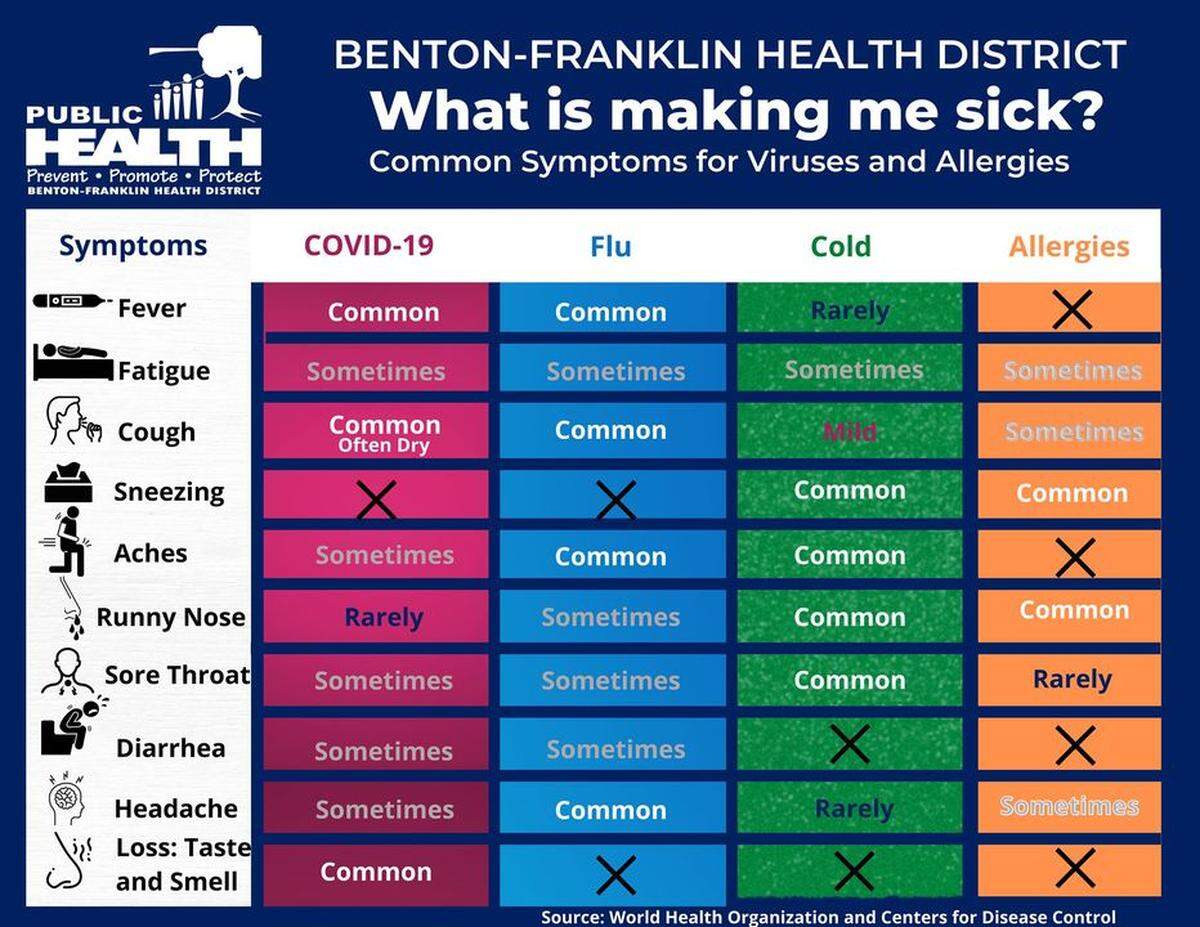
Reports suggest the delta variant affects the body in a different way from other strains of the coronavirus, according to a Yale Medicine article.
“It seems like cough and loss of smell are less common. And headache, sore throat, runny nose, and fever are present based on the most recent surveys in the U.K., where more than 90% of the cases are due to the delta strain,” Yale Medicine pediatric infectious diseases specialist and a vaccinologist Dr. Inci Yildirim said in the article.
The good news is that being fully vaccinated against COVID-19 does appear to give adequate protection against the Delta variant, although protection is not as strong as against the original coronavirus strain, Dr. Person said.
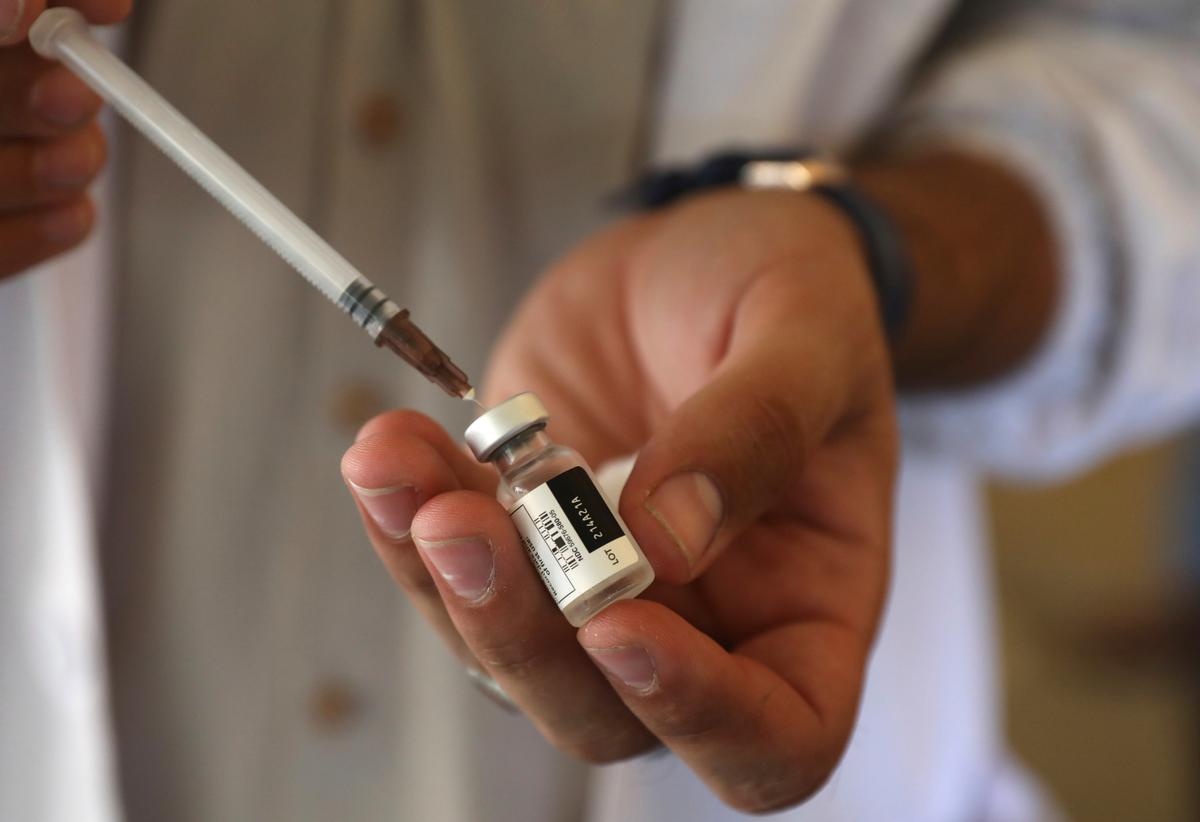
Although Washington state no longer requires face masks indoors in public places for people fully vaccinated, those who are at very high risk of serious illness from COVID-19 may want to weigh the risk of not wearing one, given the presence of the Delta variant.
If you are indoors in a crowd for an extended period of time, you may want to consider wearing a mask, she said. But you may be comfortable not wearing a mask outdoors when not in a crowd, she said.
Just as with any health issues, people may need to weigh their risks, she said.
“Vaccines are very effective at reducing your risk of getting infected, but they are not 100%,” she said.
The more people who are vaccinated, the less opportunity the coronavirus has to spread from person to person and mutate into new variants.
Low young adult vaccine rate
Both the highest infection rates and the lowest vaccination rates among adults continue to be in the younger population.
It is a trend that holds statewide, but the rate of vaccination of young adults is significantly lower in the Tri-Cities area than the state as a whole.
In Franklin County a young adult is about half as likely to be vaccinated as young adults across the state.
The Washington state Department of Health reported at the end of last week that in Benton County 32.4% of adults age 18 to 34 were fully vaccinated.
In Franklin County it was 26%. That compared to nearly 50% statewide.
Currently almost 49% of people ages 16 and older in Benton County and 42% in Franklin County are fully vaccinated. The rate statewide is 62%.
The low vaccination rate for young adults correlates with a rate of new cases for younger adults in the Tri-Cities area that is much higher than for adults in general.
Cases on the rise
Late last week the latest case rate calculated for Benton and Franklin counties combined was 143 new cases per 100,000 people over two weeks.
But for 20 to 39 year olds, the case rate jumped to 235 new cases per 100,000 over two weeks.
Fortunately, those most vulnerable to serious illness, people ages 80 and older, are well vaccinated and have a much lower infection rate, Dr. Person said.
The case rate available late last week was 66 new cases per 100,000 over two weeks for people 80 and older in the Tri-Cities area.
It is still important to cut the rate of infection in young adults, said public health officials.
“A lot of people in that age group think, ‘I’m young. I’m healthy. So what if I get a little cold’,” Hill said.
But COVID-19 can be much more serious than a cold.
Even young adults may have lingering fatigue, brain fog and loss of smell for a month or more, she said.
Even if a young adult does not get seriously ill, they may infect someone else who does. That can include not just their older relatives, but someone in their age group with an underlying health condition that puts them at risk of serious illness, Hill said.
David Rasbach with the Bellingham Herald contributed to this report.
This story was originally published July 13, 2021 at 11:56 AM.