Fluoride removed from Pasco tap water. Schools, dentists step up to help kids
AI-generated summary reviewed by our newsroom.
- Experts predict rising childhood tooth decay years after Pasco stopped water fluoridation.
- Health district and Pasco, WA schools expand screenings, varnish, sealants and referrals.
- Providers urge early dental visits, fluoride supplements or topical treatments.
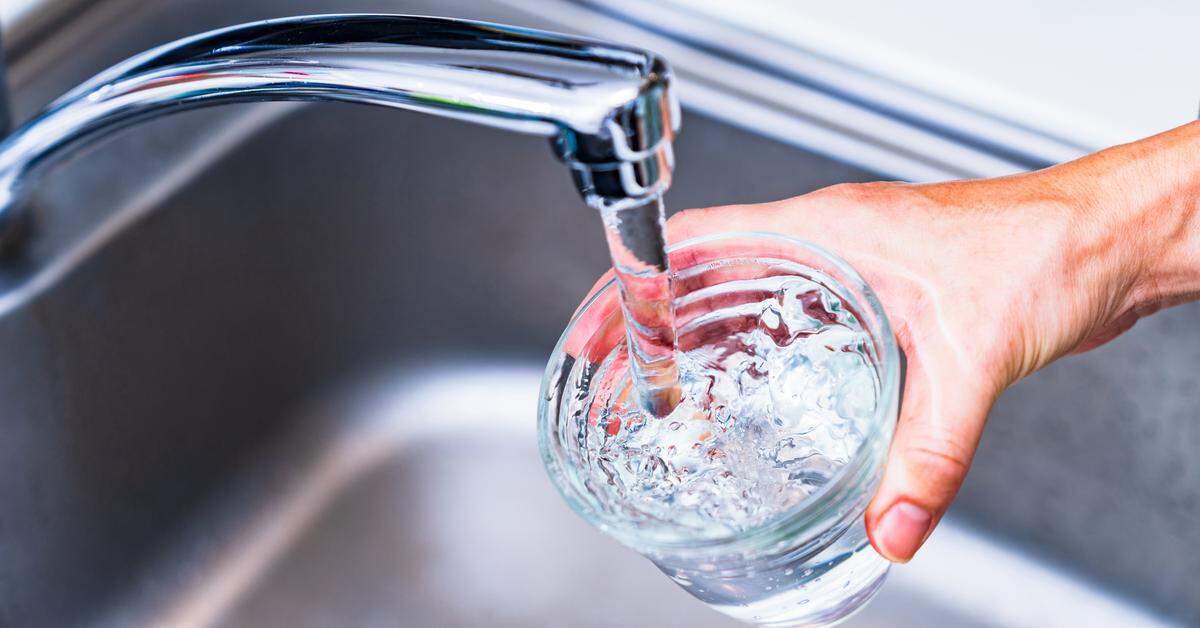
Local health experts say they expect to see more dental issues, especially in very young children, now that Pasco has stopped adding fluoride to the city’s water.
The city announced that fluoride is no longer being added to the city’s water as of Feb. 10, after the Pasco City Council voted in November to end the addition of fluoride.
Fluoride was added to Pasco water starting in 1998, to reach the level that the Washington state Department of Health says is optimal. Currently, that is 0.7 parts per million, a boost from the naturally occurring levels in Pasco water of about 0.2 ppm.
“Impacts will be years down the road,” said Dr. Steven Krager, the health officer for Benton and Franklin counties.
It’ll take time and data to measure the effects on tooth decay rates, but some Tri-Cities health professionals already are trying to get a jump on helping the kids most likely to suffer.

School-based dental programs
The Columbia Basin Health Association (CBHA) opened a new clinic in West Pasco in November and operates a mobile dental clinic that serves elementary schools and a middle school in Pasco School District. Families must complete a consent form process for children to participate.
Those schools are Captain Gray STEM, Columbia River, Marie Curie STEM, Edwin Markham, Emerson, Rosalind Franklin STEM, Ruth Livingston, Longfellow, Mark Twain, Maya Angelou, McGee, Robert Frost, Rowena Chess, Three Rivers, Virgie Robinson and Whittier elementary schools and Stevens Middle School.
The mobile clinic first started making visits to Pasco schools in September.
It offers screenings and referrals to dentists. It also provides topical fluoride varnish, sealants and silver diamine fluoride, a liquid that is applied to cavities to slow or stop decay.
CBHA Dental Hygienist Lauren Spilles said that this year, about 22% of Pasco students treated by the school-based program needed referrals for areas of concern, including suspected tooth decay.
Those students need further evaluation by a dentist who would determine if and what treatment is needed.
That’s compared to a 30% referral rate this year for all other school districts CBHA serves - Wahluke School District, Othello School District, North Franklin School District, Royal School District, Warden School District, Columbia School District (Burbank) and Star Elementary on the Pasco-Kahlotus highway.
“We identify quite a bit of need,” Spilles said.
Fluoride benefits
Fluoridated water has the biggest impact on low-income populations as the most equitable way to deliver preventative care, said Othello dentist Chris Dorow, the president of the Washington State Dental Association.
Franklin County, which includes Pasco, has a majority of residents, 54%, who are Hispanic and are statistically at higher risk for tooth decay in Washington state.
Lindsay Palmer is a registered dental hygienist and Access to Baby and Child Dentistry program coordinator at the Benton-Franklin Health District.
She said it’s important for families to schedule a dental visit by a child’s first birthday or their first tooth. That way, dentists can educate families about nutrition, foster good habits for oral health and intervene early if there is decay.
Palmer said that Washington State Health Care Authority data shows that about 50% of children ages 0-6 using Medicaid visit the dentist once a year. But visit rates get lower the younger the child.
Benton-Franklin Counties Dental Society President Dr. Lilo Black said that fluoride in drinking water most benefits young children ages 1-2.
It prevents cavities and strengthens teeth, she said. She pointed to more than 75 years of data and scientific studies on the safety and benefits of adding fluoride at carefully controlled levels to municipal water supplies.
She began practicing as a dentist in Tri-Cities in 1994, four years before fluoride was first added to the city’s water.
“I certainly saw a lot more instances of ‘baby bottle cavities’ and decay in very, very young children (ages 1-2 years old). That has certainly changed in my patient population. I imagine we’ll start seeing an increase in cavities in really young children,” Black said.
As a dental provider, Black encourages good oral health in mothers, a critical factor in reducing cavities in babies and children.
She also advises against letting babies and young children fall asleep while drinking breast milk or formula to avoid liquid pooling in their mouths and around their teeth, causing “baby bottle cavities.”
Children also should stop using bottles between ages 1-2 and can transition to cups, Black said. They should stick with drinking water, and avoid juice and soda.
Dental care tips
The health district is focused on continuing oral health education.
The district has a water lab where residents can test their water for fluoride and other substances. Prices for tests are available on the health district’s website. It costs $45 to test for fluoride.
The health district also puts out a fluoride report with levels throughout the two counties.
For Pasco families seeking ways to add fluoride, Black said that families can use fluoride supplement tablets or drops, starting at a 0.25 mg daily dosage for small children up to 1 mg daily for older children up to age 16.
But she said that fluoride supplements can be hard to find.
Black recommends topical varnish as the most effective fluoride treatment for older children and adults.