
Commercial flight began 100 years ago in Pasco with a biplane and 9K pieces of mail
As history happily records, the Wright Brothers carried out the first flight at Kitty Hawk, N.C., on Dec. 17, 1903.
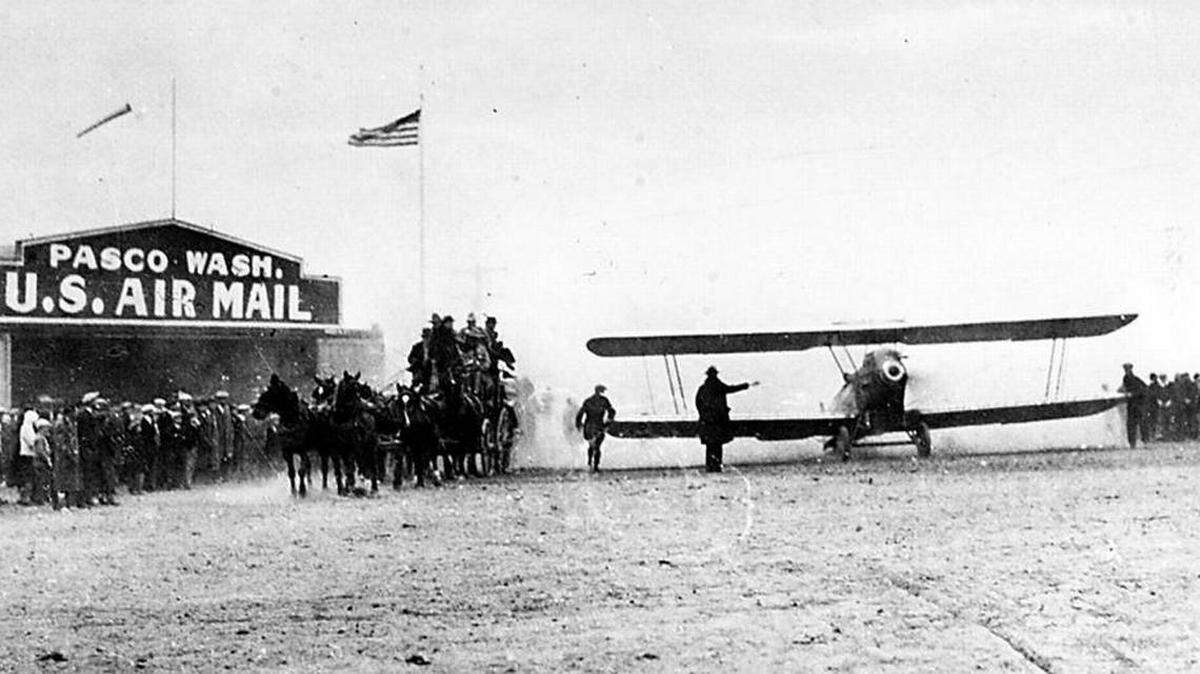
A mere 8,146 days later, Pasco secured its own place in aviation history when a small biplane carrying U.S. Mail took off from a dirt field near Oregon Street.
Five and a half hours later, it landed in Elko, Nev., after a stop in Boise.
It was the launch of U.S. Air Mail and marked a revolution in American aviation.
The Pasco Aviation Museum at the Tri-Cities Airport and the Elko airport plan twin celebrations April 6 to mark the centennial anniversary of both Air Mail and the start of commercial aviation.
The Tri-Cities celebration begins at 9 a.m. Monday at the museum, accessed at Bergstrom Aviation, 4102 N. Stearman Ave.
The museum itself opens for the 2026 season on April 11. It is open to the public, but visitors must be escorted by Bergstrom employees because it is behind the airport’s security fence.
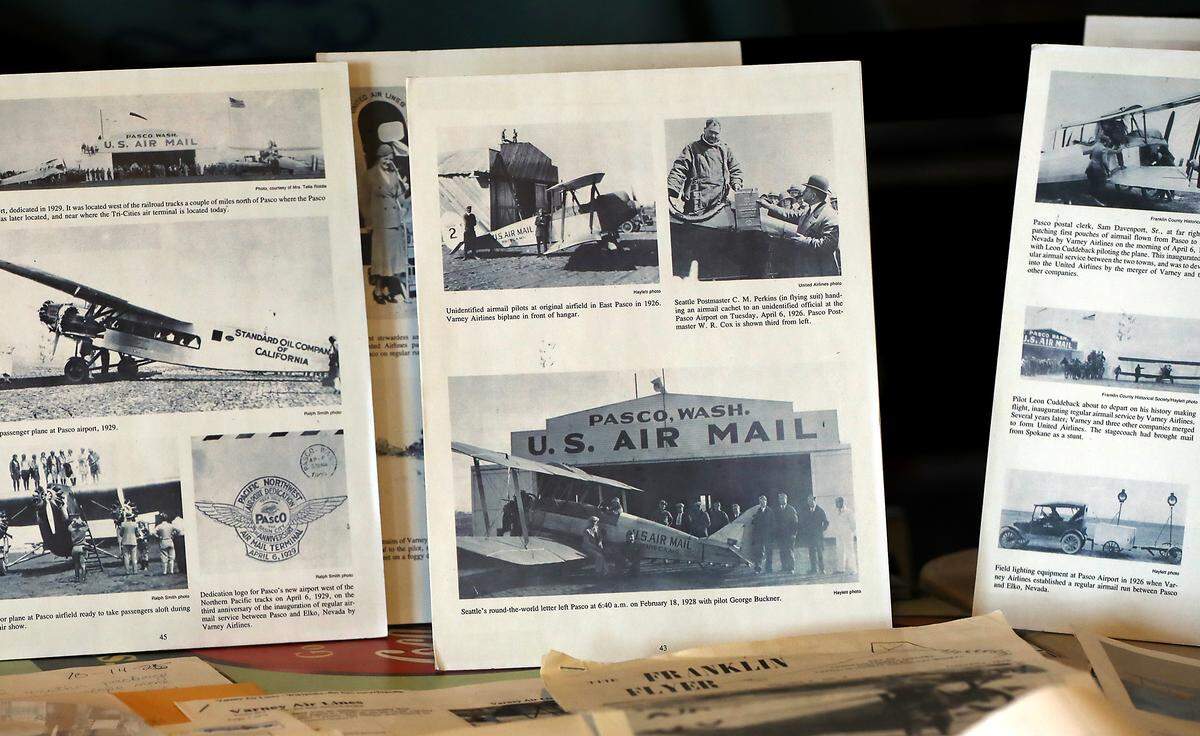
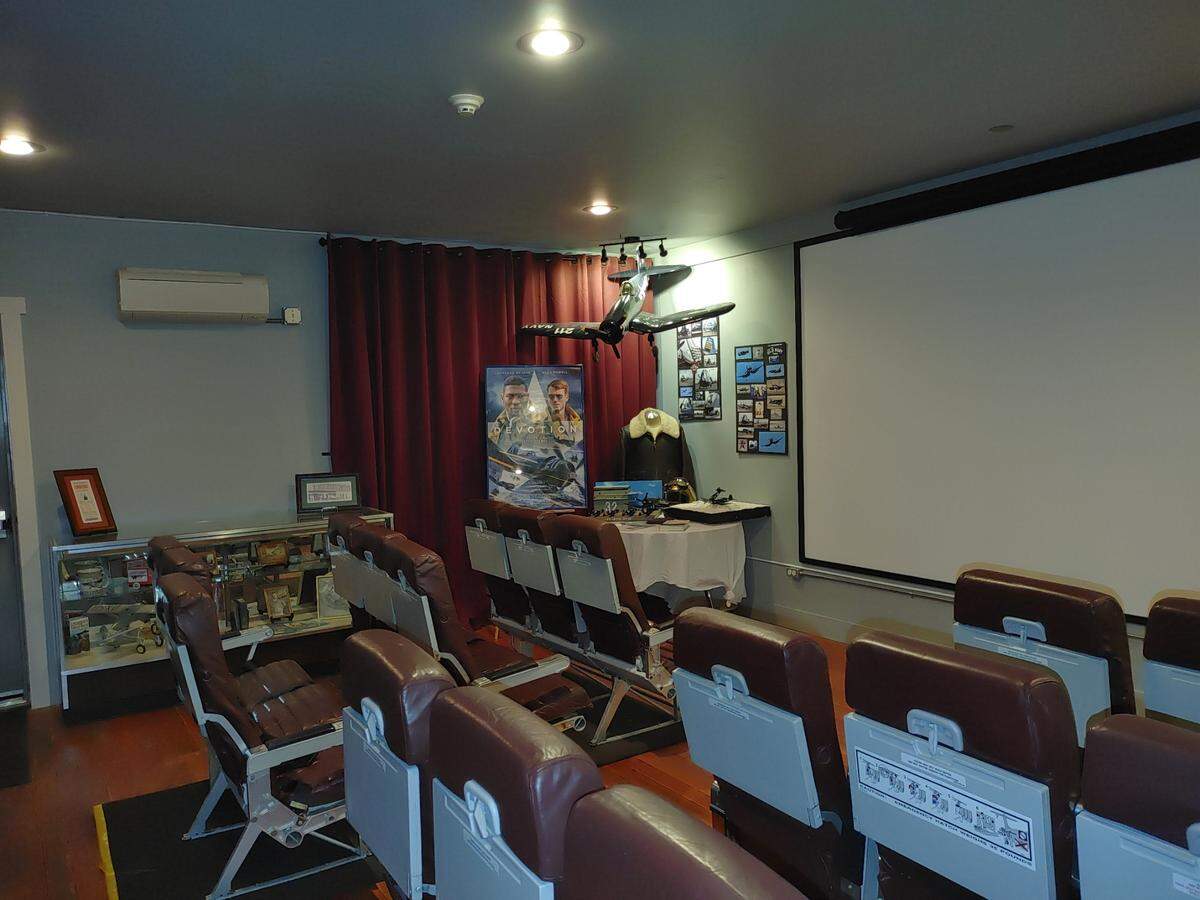
The museum commemorates the 100th anniversary with a year-long display of paraphernalia tied to the first flight. It is matched by a display inside the Tri-Cities Airport main terminal.
Upcoming events include an aviation jubilee and a vintage aircraft exhibit.
First commercial flight
It took an act of Congress to allow private airlines to bid on contracts to carry mail for the U.S. Postal Service. Specifically, the 1925 Kelly Act.
Walter Varney, an aviation entrepreneur, was the sole bidder for the Pasco-Elko run.
Most considered the mountainous route too dangerous, but Varney figured it out.
He’d operated a flight school in California, but moved his pilots to Pasco to establish the business.
Varney Airlines Chief Pilot Leon D. Cuddeback did the honors of flying the first run.
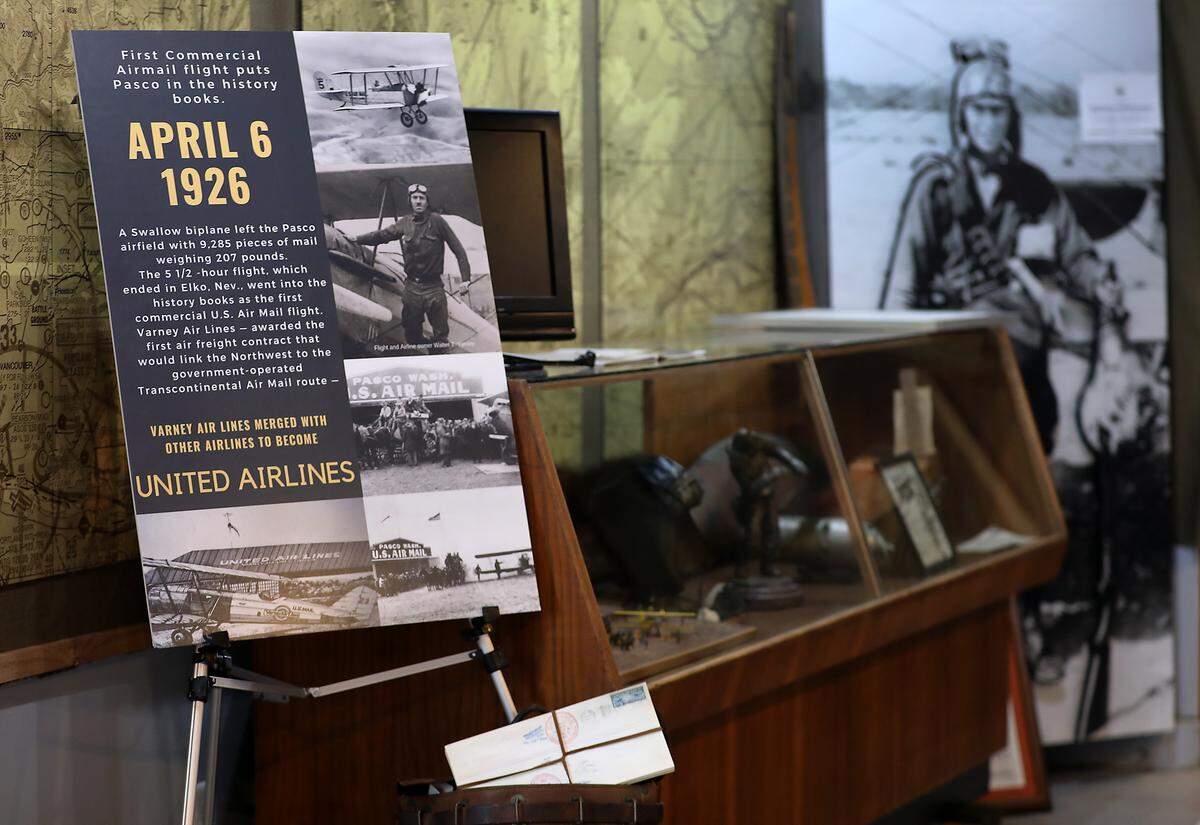
He took off at 6:23 a.m., April 6, 1926, in a Swallow biplane, watched by a crowd gathered to witness the occasion.
His cargo: 9,285 pieces of mail weighing about 207 pounds. It originated in Seattle and Spokane and arrived earlier in Pasco aboard a train.
Air Mail was a major leap forward for American communications. Letters that once took a week to travel from the East Coast could be delivered in just two days.
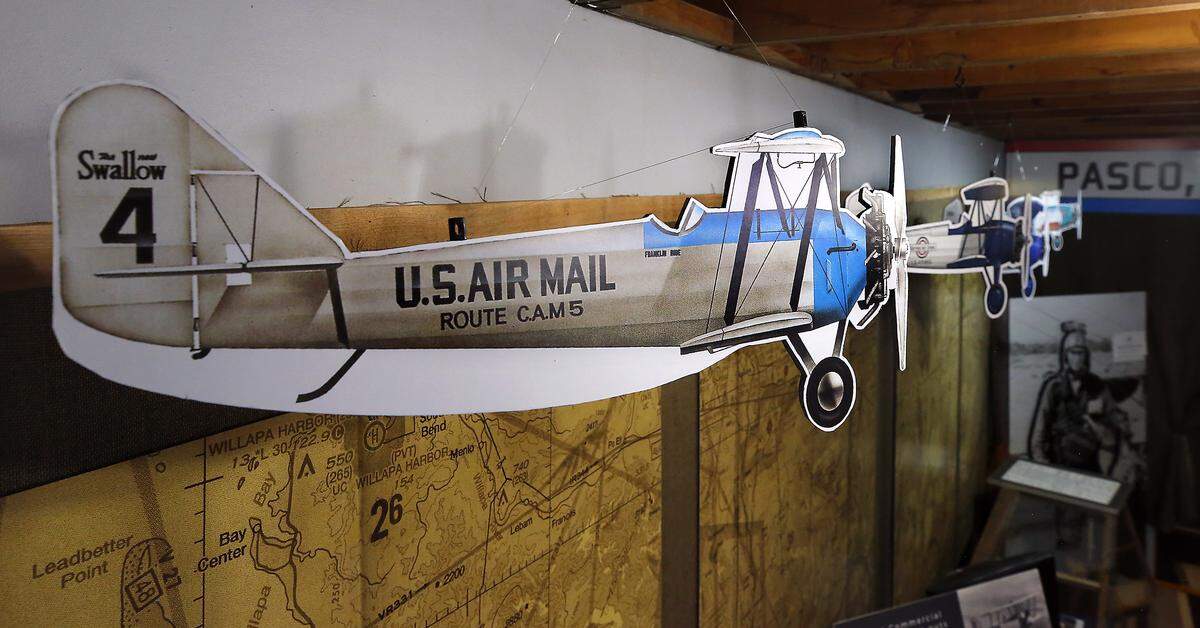
The Pasco route was a success. Varney replaced the slow, underpowered Swallow with a Stearman to keep up with growing volumes. Four years later, in 1930, Varney Airlines sold to United Air Transport.
Four years after that, following a scandal involving price fixing by Air Mail carriers, it merged with three other companies to form the airline now known as United.
Varney continued his entrepreneurial ways and founded another airline that would eventually become Continental Airlines.
The two airlines completed a merger in 2012, long after his death.
Before and after Varney
There’s more to Pasco’s storied love affair with flight than the Air Mail flight of 1926.
Before Varney, there was Charles Zornes.
In 1911, less than a decade after Kitty Hawk, the aviator came to Pasco by way of St. Louis and Walla Walla to design and build cloth and wood biplanes.
He leased land at Osprey Point, but the business closed a year later after Zornes was fatally injured in a crash.
Meanwhile, in Seattle, lumber baron William “Bill” Boeing and a friend took their first plane ride on July 4, 1914. The men flew with a barnstormer. Boeing launched what would become Boeing Airplane Co. a year later.
Pasco didn’t just play a major role in establishing commercial aviation. It played a starring role in training Navy pilots during World War II.
22,000 Navy pilots
In 1942, the U.S. Navy purchased 2,300 acres in Pasco for about $5,000. It wanted to move its Sand Point Naval Air Station inland, away from potential enemy attack.
Naval Air Station Pasco was one of the busiest pilot training facilities of the war, ultimately turning out 22,000 pilots.
Only Pensacola, Fla., and Corpus Christie, Texas, were busier.
The base was a self-contained community of thousands, with all the services and recreational outlets needed to serve it. It was not directly connected to the Manhattan Project in Richland, where scientists were carrying out top secret work to develop atomic weapons.
Naval Air Station Pasco was decommissioned in 1947. The Navy turned the property over to the city of Pasco. The city and later the Port of Pasco established the Tri-Cities Airport, now the regional center for commercial aviation in the Mid-Columbia.
The Navy continues to use the runway for training, but its old facilities have long been demolished or converted into private businesses.
Remembering the past
Malin Bergstrom, owner of Bergstrom Aviation, leads a dedicated group of volunteers who have worked for years to preserve the history of Pasco’s aviation history.
Their work began in 2012, when the old tower was at risk of being torn down. A new tower was built in 1966 and, while the old tower served as offices for Bergstrom Aviation, it had been empty after Bergstrom built a new building next door.
The Port of Pasco considered tearing it down, regarding it as a safety and maintenance headache.
Port officials backed off amid calls to preserve an iconic piece of local history. The port replaced the roof and siding and the “Save the Old Tower” effort was on its way.
By 2016, Malin Bergstrom and her Save the Old Tower group raised $70,000 to renovate the structure as a museum. Franklin County supported the project with a historic preservation grant, soon followed by a $300,000 award from the 2018 Legislature and a $50,000 anonymous donation asking only that it “honor veterans.”
The Old Tower, once threatened, is now under a long-term lease to operate as a museum.
As word spread, Bergstrom said, veterans and history buffs began stopping by her office to drop off artifacts.
The museum opened in 2018 and continues to operate seasonally. It is inside the security fence of the Tri-Cities Airport, which means visitors must check in at Bergstrom Aviation and be escorted to the site.
This story was originally published April 3, 2026 at 5:00 AM.