
What Trump’s tariffs mean for the Tri-Cities housing shortage and home prices
New tariffs that aim to level the playing field with other countries and promote U.S. manufacturing could affect new home construction in the Tri-Cities.
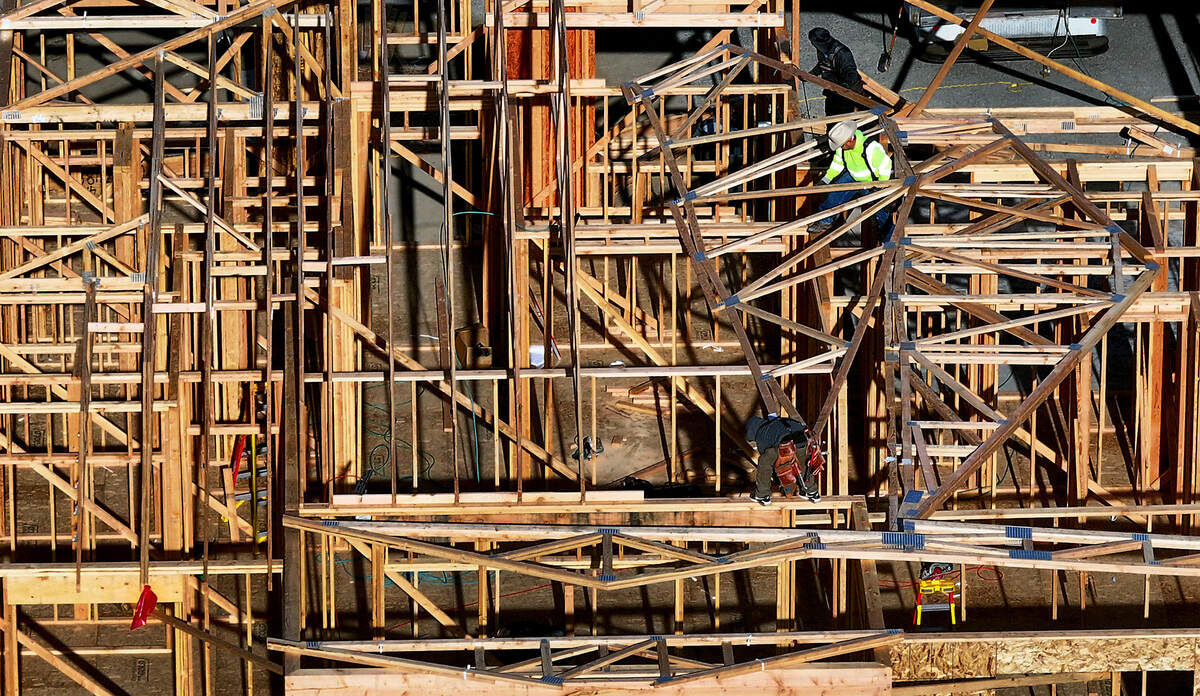
New tariffs announced this week by President Trump could add $9,200 to the cost of building a new home, said Jeff Losey, executive director of the Home Builders Association of Tri-Cities, echoing research by his national association.
Losey said the Tri-Cites housing shortage should translate into a solid year for local builders, but he doubts Tri-Cities builders will see the kind of frenzied growth recorded in 2024. That’s when 1,256 home permits were issued— 26% more than the year before.
He said uncertainty among well-paid federal workers at the Hanford site could cool speculative development for homes in the $1 million and above range. The Department of Energy is asking more workers at Hanford to sign up for layoffs.
NAHB based its $9,200 estimate on the NAHB/Wells Fargo Housing Market Index March 2025 survey. It was released this week in tandem with President Trump’s “Liberation Day” announcement of widespread new tariffs on all products imported into the U.S.
House price pressures
Losey acknowledged that rising prices have a chilling effect on home buying. Every $1,000 increase in the cost of new construction squeezes buyers out of a market.
However, home building is influenced more by jobs and the ongoing shortage of homes that drives up demand.
There were about 134,000 jobs in the Tri-Cities in February, a consistent figure for recent years. The unemployment rate held steady at just over 6%, according to the most recent Washington Employment Security Department figures.
“Jobs are the number one thing that will slow a housing market,” Losey said.

Housing shortage is key
The tight inventory of new and existing homes helped push the average cost of homes in the Tri-Cities to about $480,000 in January, according to Tri-City Association of Realtors data.
That’s about 7% compared to a year earlier and exceeds the 3% inflation increase in the Consumer Price Index over the same period.
The health of the apartment market supports the argument the market needs more houses, not a slowdown in development, Losey said.
Local apartment vacancies are slightly elevated, at 8.3%, according to the most recent multifamily report from CoStar Group, shared by The Management Group Inc.
CoStar attributed the increase to the 1,100 new apartment units delivered to the market last year.
In a sign of continuing demand for housing, rents rose nearly 3%, with the average mid-level apartment now commanding nearly $1,400 a month.
To Losey, that means more for-sale housing is needed.
“We’re not keeping up with demand,” Losey said. “Washington is behind.”
Interest rates bring relief?
Losey sees potential relief in both interest rates and growing popularity of townhomes with both builders and buyers.
The Federal Reserve began lowering the federal funds rate last September and is expected to continue cutting in 2025 with analysts anticipating it will come down on the side of fending off a potential recession.
The federal funds rate drives mortgage interest rates. The average rate for a 30-year fixed rate mortgage on April 3 was 6.75%, according to BankRate.com.
“Every time it comes down, it means you can buy a little more,” Losey said.
What goes into a home
Nearly one half of the materials used in new homes are imported from foreign countries, with Canada, Mexico and China representing significant sources of building materials.
Collectively, the HBA estimates the cost of imported construction materials will rise more than $3 billion.
American home builders import about 30% of the lumber they need, with most of it coming from Canada, NAHB said. It said the combination of current and anticipated tariffs on Canadian softwood umber could “approach 60%”
“While it is a worthy goal to increase domestic production, the reality is that U.S. sawmills do not currently have the capacity to meet domestic demand,” the national association said.
Mexico is a major source for gypsum, used to make drywall, and gas stoves. china, already subject to tariffs, is a major source for steel, aluminum and appliances.
One local homebuilder doesn’t expect an immediate impact.
“We have reached out to our vendors, and we will not be expecting any price increases,” said Damian Padilla of Pro Made Homes, a regional builder with several townhome and other projects in development across the Tri-Cities.
Changing face of construction
Townhomes are already changing the face of the local community and are a key to bringing down housing costs.
The 2023 Washington Legislature updated the Growth Management Act to encourage denser development, including townhomes, to address the shortage of affordable homes across the state.
Townhouses are less costly to build as well since they require less land are are typically smaller than single-family houses with yards..
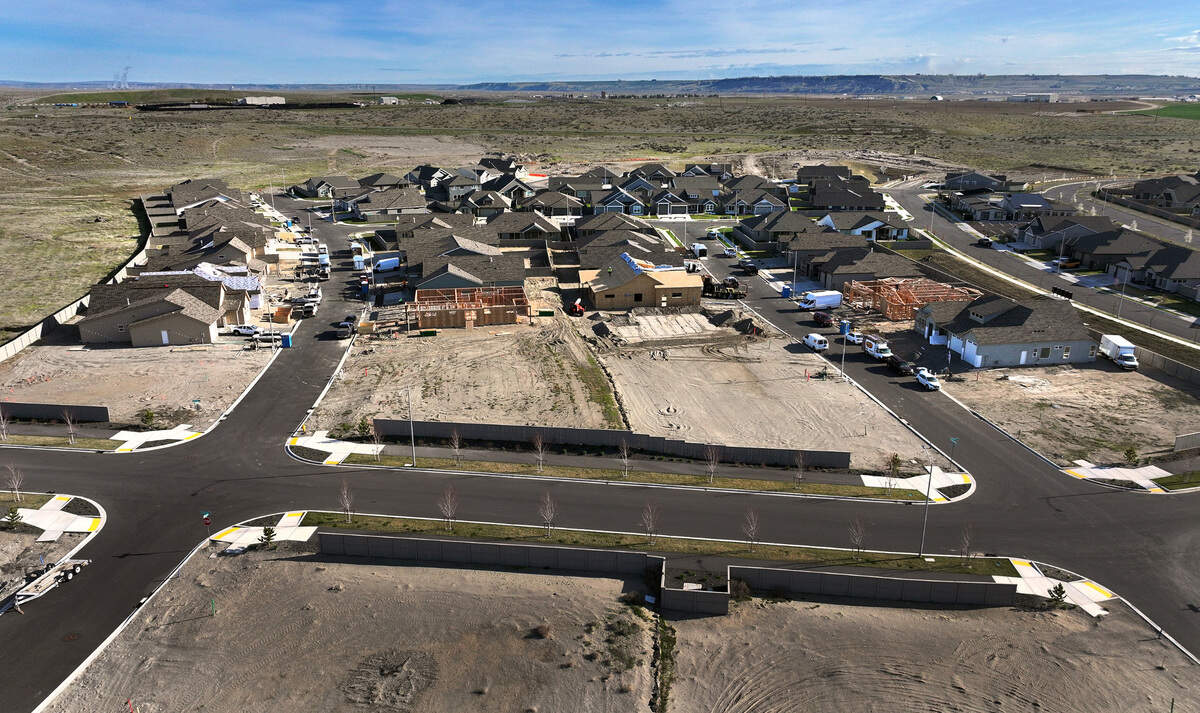
There are more than 40 subdivisions either in the planning or early development stages in the Tri-Cities.
Collectively, the represent 7,000 future homes, about a five-year supply based on current building activity.
More than 2,200 of them, or a third, will be townhomes, according to a Tri-City Herald review of building, permits, state environmental records and developer announcements.
This story was originally published April 4, 2025 at 5:00 AM.