COVID shutdowns are in the past, so what does the Tri-Cities job market look like now?
Two years ago COVID-19 shutdowns had many worrying about whether vulnerable businesses could survive. Today some of those sectors are stronger than they were before the pandemic.
New data from the Washington Employment Security Department shows that in 2022 not only did most industries in the Tri-Cities fully recover from pandemic-related hits, almost all actually added jobs bringing them above pre-pandemic workforce participation.
Unemployment in the Tri-Cities hit a record low earlier this year, and while economic conditions such as inflation and recession fears have cooled things a bit since then, the Tri-Cities is ending the year in a good position.
“Overall we did really good in 2022, we pulled ahead, and all industries are now in full recovery. Especially front-of-house jobs,” said Ajsa Suljic, a regional labor economist who works with a 6-county region of southeast Washington.
October to November is typically when the area sees the biggest drops in workforce participation as seasonal agriculture work cools off and seasonal retail and hospitality gets into swing, according to data from Employment Security.
Tri-Cities industries
The Tri-Cities unemployment rate was at 5.3% in November, up from 4.1% in October, which is roughly in line with the 5.1% seen during the same period in 2019.
Nearly all of the job losses came from the agricultural sector, which is typical for that time of year, as even the workforce population declines in Tri-Cities.
Unemployment in non-farm industries actually went up from October to November from 124,800 to 125,200.
Some of the areas hit hardest by the pandemic shutdowns have made blazing recoveries in 2022.
Hospitality and leisure added 2,200 jobs since this time last year, with almost half of that coming in food services.
Over all, the hospitality and leisure sector is up 1,000 jobs over its 2019 levels during the same time period.
Education and health services jumped by 1,600 jobs year over year. That’s up from 18,600 in November 2019 to 20,700 this November.
Goods production, which includes manufacturing, is up by 1,000 jobs. More than half of that is in construction, at 600 jobs. The other 400 fall under manufacturing.
While manufacturing was up year over year, it’s still just short of 2019, but that will likely change as projects such as a new $600 million Darigold plant moves forward.
Reser’s Fine Foods recently moved its workforce to their new plant, and will remodel the old one, as well as eventually expand the new facility, adding even more jobs.
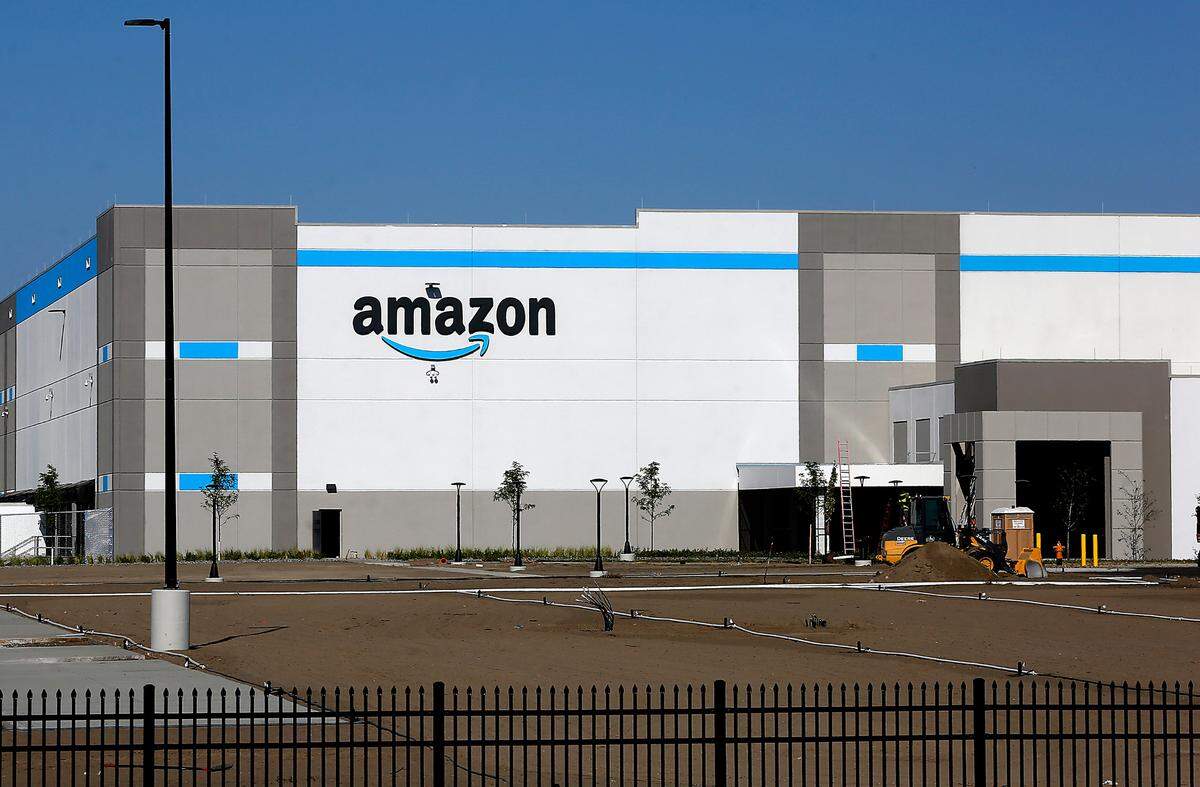
Warehousing jobs likely will see a big jump in the second half of 2023 if the new Amazon warehouses come online in spring as planned.
There is also a new warehouse park planned just south of the Amazon facilities in Pasco that will bring another 2 million square feet of warehouse space online in the next few years.
Total employment in the Tri-Cities in non-agricultural industries is up by almost 6,000 from the same time period last year, which had recovered to numbers in line with 2019.
Looking to 2023
The areas expected to be hit hardest by economic downturn are in technology. Suljic said that while the I-5 corridor is already seeing some losses in the tech sector, the Tri-Cities is fairly insulated from that particular hit.
Suljic said if layoffs impact people in tech who work remotely from the Tri-Cities, those numbers would fall under the county where the company’s workforce is based.
She said that demand for new workers as the Tri-Cities grows will help keep the market competitive. Over the past year, officials have said that finding enough workers for new jobs is one of the biggest challenges the Tri-Cities faces.
“We’ve been trying to grow (the tech sector) over the past decade, but we are very strong in manufacturing, and education and healthcare which are really in demand,” Suljic said. “We are growing all those sectors, which is really contributing to local population demand and need.”
Trends in agricultural employment could prove to be indicative in changes in growing practices.
“When we look at the seasonality in a little more of a trendy way, we’ve been in a downturn in agricultural employment and opportunities. Some of it is shifts in the products, farming structures and ways of cultivating the products,” Suljic said.
“In tree fruit we have seen decrease in jobs, we still remain some of the largest areas in the state, but it’s been very soft here in regards of hiring those agricultural workers.”
Over the past few years there has been less demand for agricultural workers, she said. That is offset by the growing demand for workers in other industries such as health, education, retail and warehouse work.
“For the coming year we have a lot of stability, we had extensive growth in our retail trade due to supply and demand factors, but this is still one of those industries that is very open to expansion and growth,” Suljic said. “Something to look forward is diversity in retail trade contributing to growth in jobs here.”
This story was originally published December 27, 2022 at 12:33 PM.