
Look inside a $15M expansion of a global vegetable seed company in Pasco
Every year, Northwest farmers harvest some 6,500 acres of vegetables, then pulverize most of the bounty in their fields.
Fields of sweet corn, watermelon, squash, melon, broccoli, pepper, tomato and spinach aren’t grown for grocery stores, restaurants or food processors.
They’re grown for Syngenta Seeds, a division of Syngenta Group, a global agricultural firm that processes seeds for growers around the world.
Seeds for virtually every vegetable sold in the produce aisle arrive at Syngenta’s unassuming factory in the Pasco Processing Center, east of the Tri-Cities Airport — a key link in the company’s global chain of seed facilities, including testing labs.
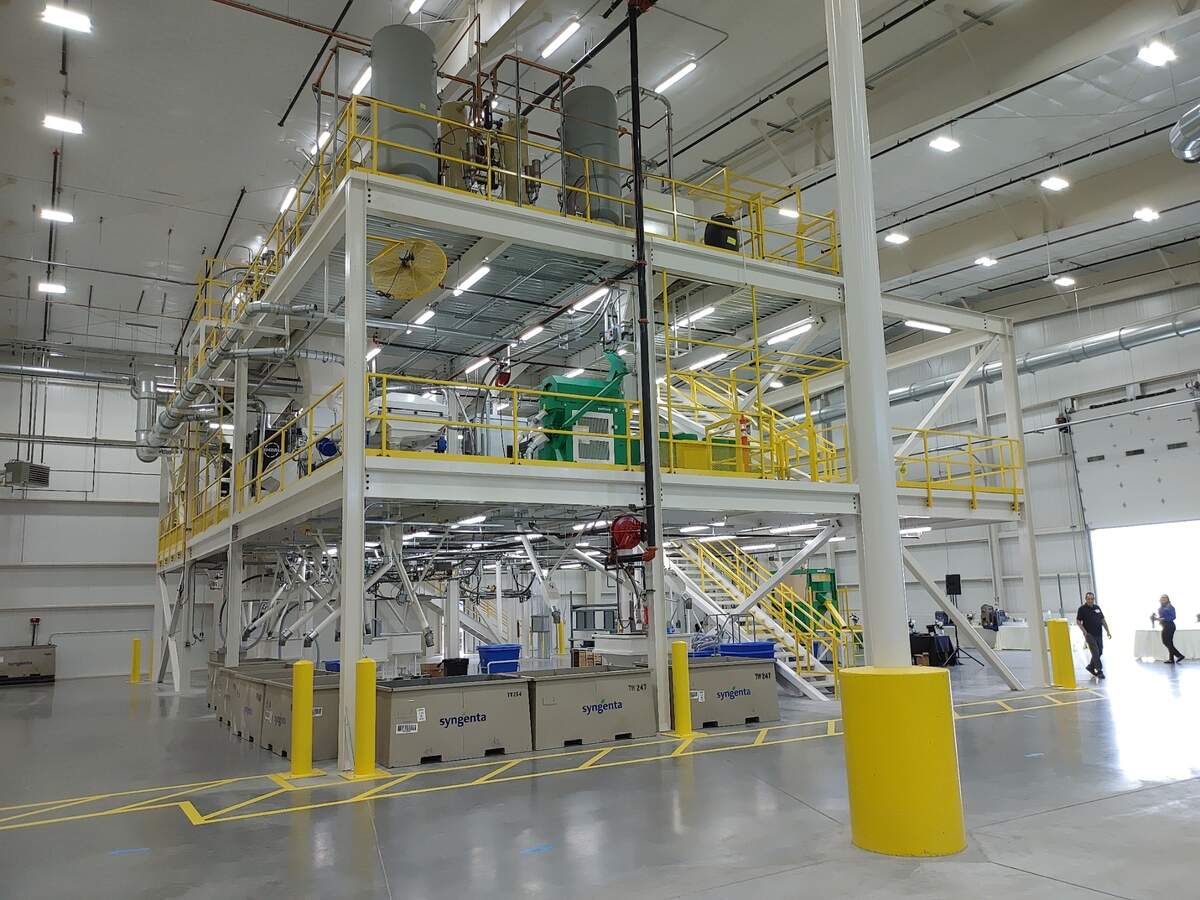
This month, Syngenta dedicated a $15 million expansion that added 22,000 square feet and expanded its capacity, updated equipment and prepared for the future.
Incomparable facility
Syngenta employs 56 in Pasco, where it processes all types of vegetable seeds into uniform, reliable seeds that commercial growers need to plant their next crop.
“You won’t find another facility like this in the world,” said Casey Young, Syngenta’s regional processing manager for North America, as well as its Pasco site manager.
Washington may be known for its iconic apples, sweet cherries, onions, potatoes, asparagus, hops and 300 other crops, but it’s also a key growing area for seed companies.
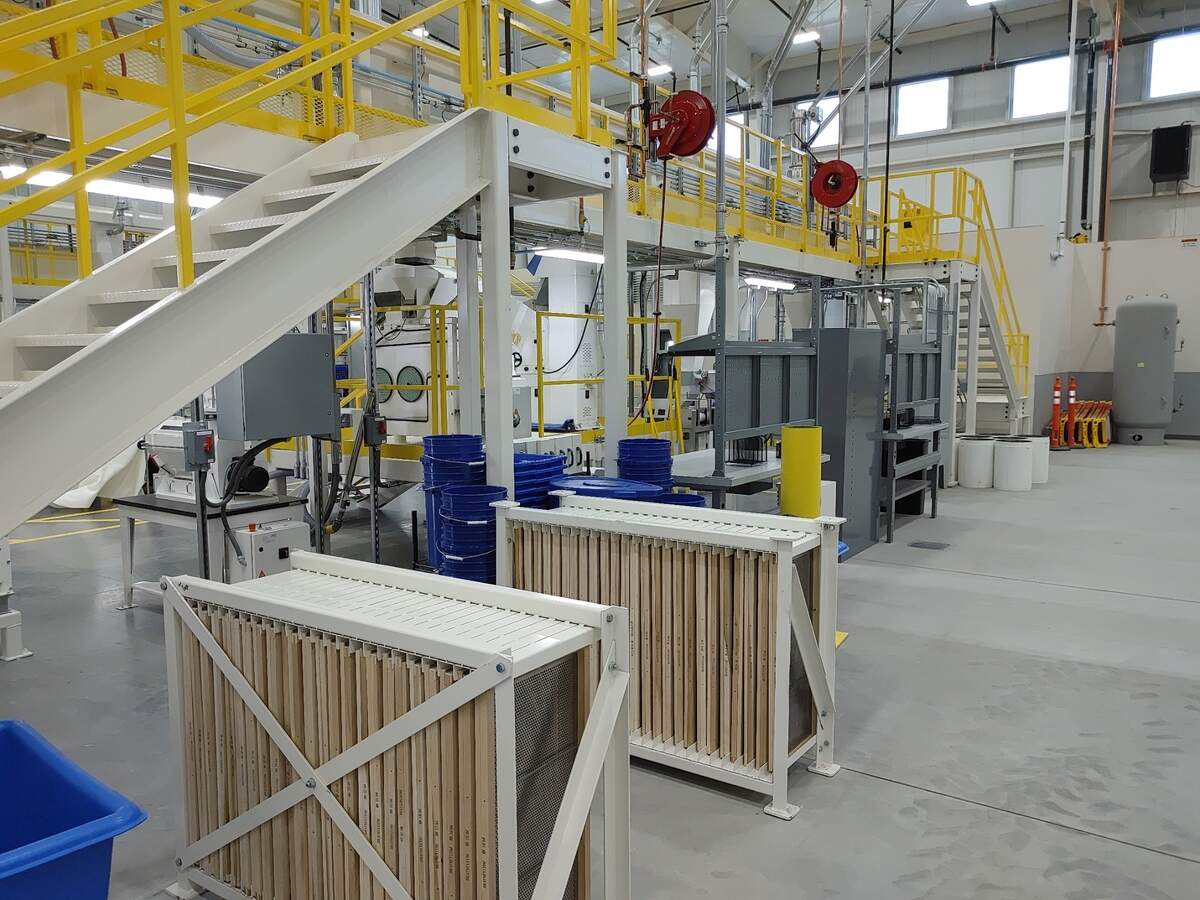
Companies such as Syngenta contract with growers to produce seed-bearing vegetables under exacting conditions.
Sunshine and irrigation compelled Syngenta to expand to Pasco from Idaho in 2009 and to upgrade cold storage facilities in 2017. Andersen Construction Co. broke ground on the newest expansion in 2023.
Processing vegetable seeds for growers is a low-profile but critical industry.
The American Seed Trade Association, an Alexandria, Va.-based industry group representing 650 seed producers, growers, distributors and developers, calculates the U.S. exported $364 million of vegetable seeds 2023.
“Syngenta’s Pasco facility expansion shows their commitment to both the U.S. and international seed economies.,” the association said in a statement to the Tri-City Herald.
“Here at home, this expansion will greatly benefit consumers at grocery stores, farmers markets, and garden centers, as they will have more access to quality, professionally produced seed, and produce, thanks to Syngenta’s investment.”
.jpg "Syngenta Seeds display (1).jpg")
Truckload after truckload
It accepts truckload after truckload in Pasco, where it cleans, sorts, tests and packages seeds for its grower customers.
Seeds are part of a $430 million Washington industry that also includes plants, according to the U.S. Department of Agriculture. They aren’t a Top 10 crop in the state, but they are a critical component to all farmers needing seeds to carry on season after growing season.
The expansion included new equipment and space for future lines.
Syngenta processes both large seeds — mostly sweetcorn — as well as small ones in Pasco.
Large seeds, including peas and beans, are generally raised by Northwest growers who contract with Syngenta.
Smaller vegetable seeds can come from anywhere in the world, depending on which hemisphere is in its growing seasons.
Growers contract with seed processors to produce specific crops and the company has a dedicated field team that works with growers to monitor the growing process and head off issues that might impact the harvest.
There are dozens of varieties of similar species, giving growers boasting rights to their particular strains.
“Corn isn’t just corn,” one official said.
Corn ripening now
Sweetcorn is a major focus for Pasco with plants ripening in fields around the Mid-Columbia now.
Unlike smaller vegetables, sweetcorn isn’t pulverized in the field.
In coming weeks, growers will begin dispatching the harvest to Pasco. The corn kernels are stripped way and the husks and cobs become cattle feed.
The seeds progress through the Pasco plant, where they end up packaged before being shipped to growers.
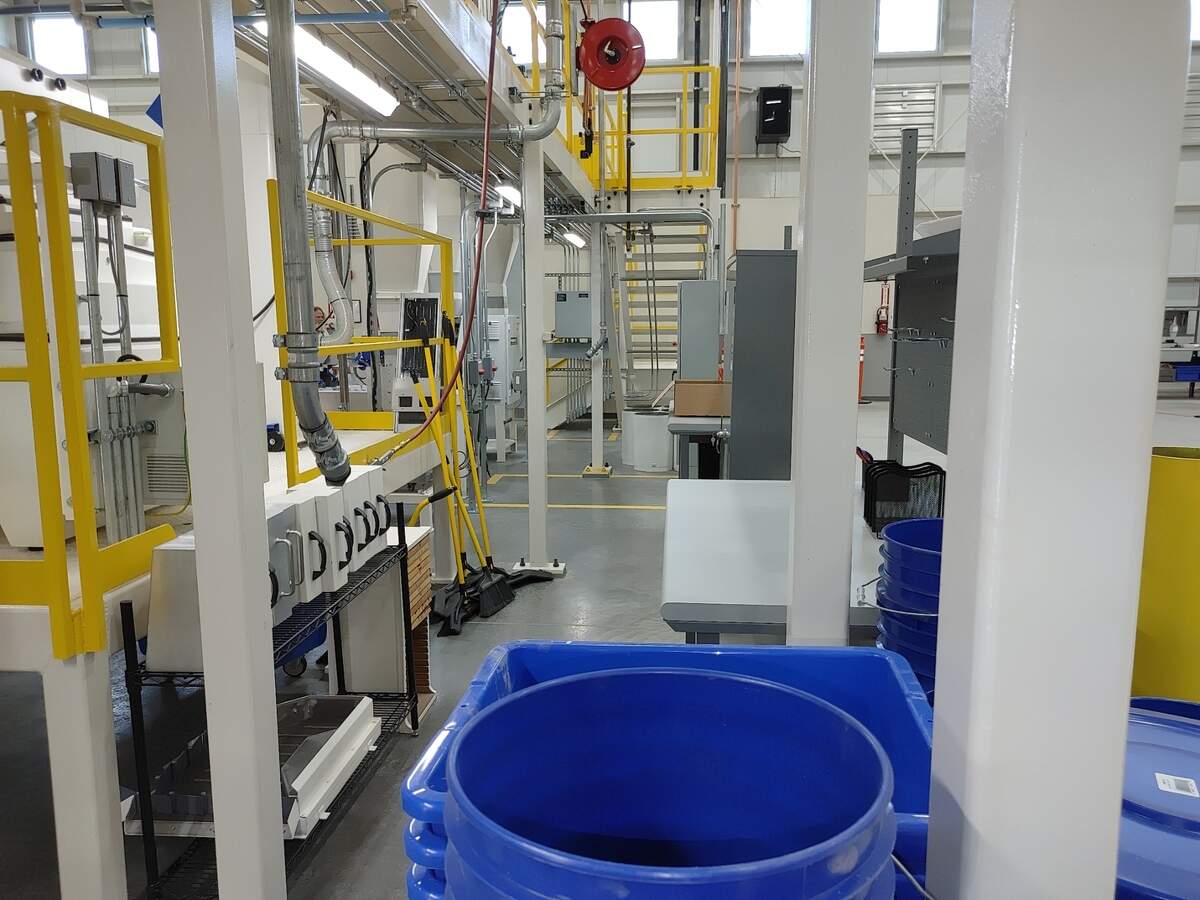
All seeds undergo an aggressive culling process to remove seeds deemed unworthy. Seeds can be rejected for being too dry or because a test lot doesn’t meet the company’s germination requirements. The company adheres to global seed standards.
Syngenta conducts a million seed tests a year in its Idaho-based laboratory system.
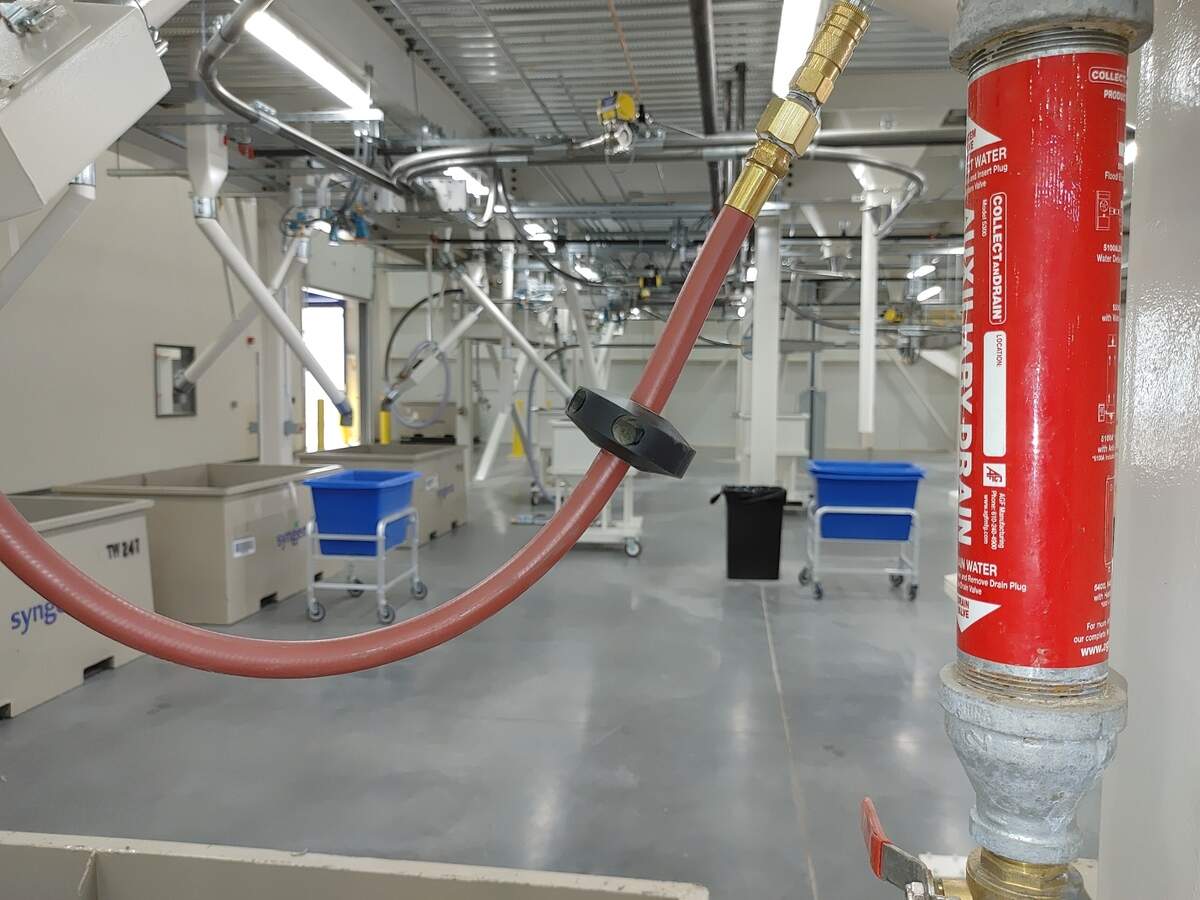
There’s no room for bad seeds, Young told Pasco guests.
Growers need uniform seed sizes to ease planting. They demand uniform plants and produce in the field. A too-tall plant or an ear of white corn in a field of yellow is unwelcome evidence a crop isn’t producing what the grower wants.
“If we get one seed wrong, our customer is going to find it,” Young said.
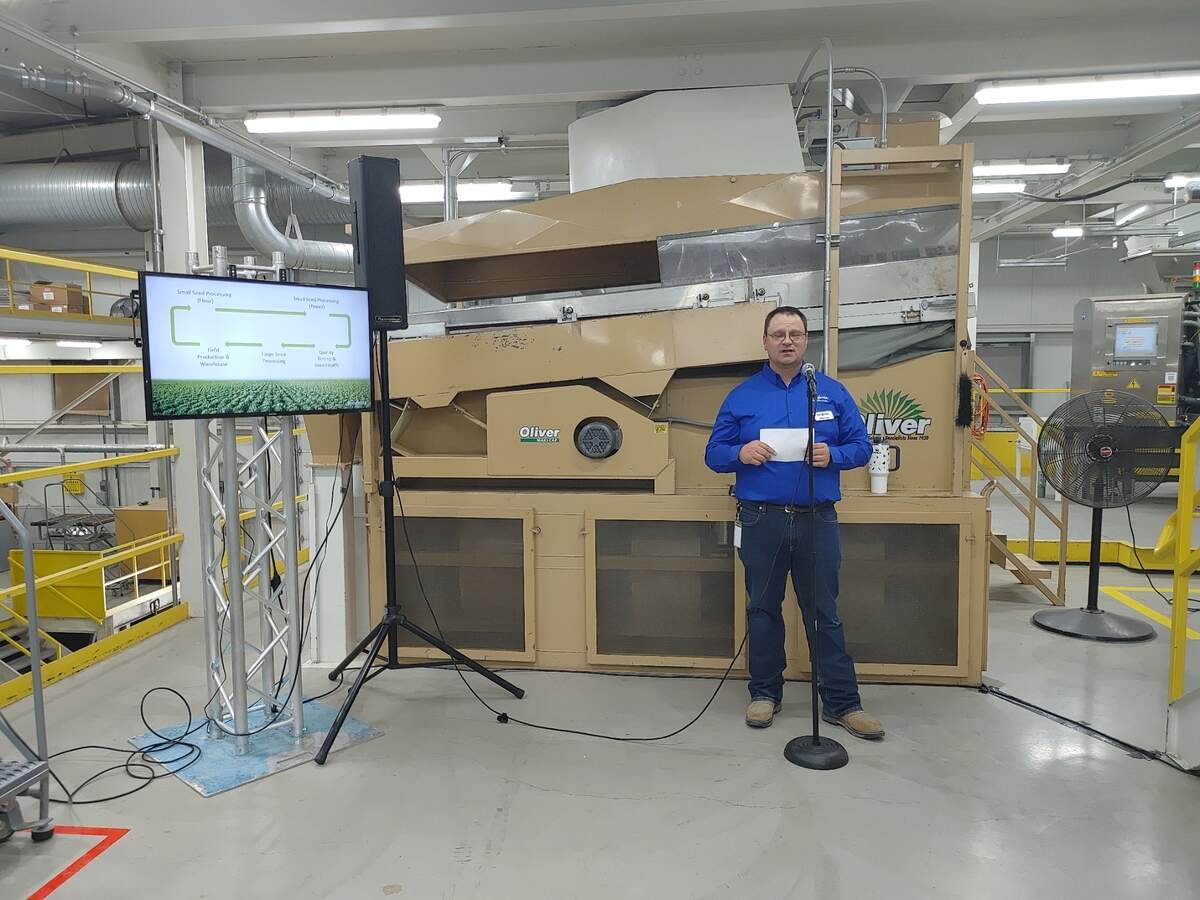
The plant will process locally-grown sweetcorn until Christmas. Syngenta boasts a 45% market share for sweet corn, sending seeds to growers on every continent.
It processes the smaller vegetable seeds throughout the year as they arrive from growers around the world.
This story was originally published August 14, 2024 at 7:00 AM.