
An inside look at the successes, failures and common complaints after Tri Town Get Down
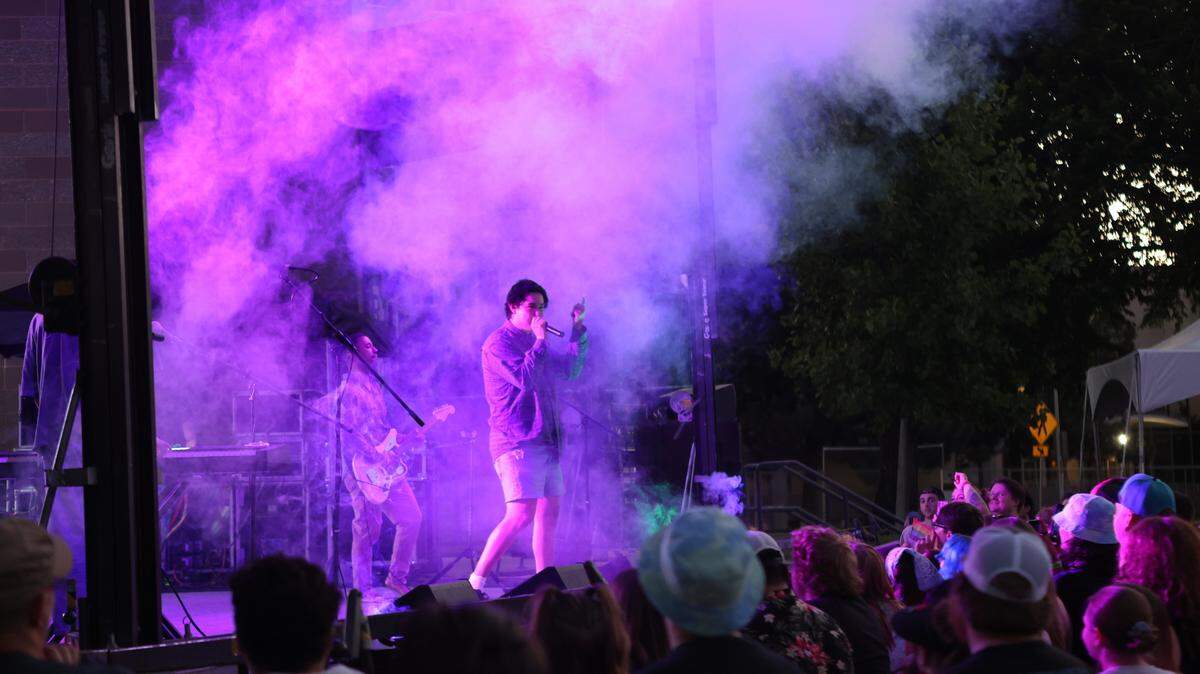
Last weekend was a busy one in Richland, with graduations, two music festivals and many other events.
Perhaps the largest was Tri Town Get Down, the music festival that emerged last year as Uptown Get Down. From year one to year two, the festival expanded significantly, following the success of the inaugural event.
After the first year sold out completely and packing the Uptown Theatre for headliner Afroman, CEO and founder Caleb Brown responded with a much larger festival for 2024. Covering three days and nine stages, the festival space grew considerably.
The Herald attended all three days, visiting each stage at least once. The Herald was also present for all of last year’s one-day event.
While the concept of the festival has been met with enthusiasm, some key decisions led to big frustrations among artists and attendees, according to attendees who shared their experiences with the Herald and online. Some have said organizers tried to do too much too fast in its second year, leading to various concerns, ranging from over-promises to enforcing rules on nearby performances. But Brown considers the festival an overall success.
“For me personally, we did it…” Brown told the Herald. “They said we were in too deep… but Tri-Cities showed up, had a blast, and truly Got Down. We’ll be doing this again next year, the year after, and until climate change finally takes us all out. Get Down is here to stay.”
There were many positive highlights for an event still in its infancy, but also some serious takeaways for making the next Tri Town Get Down better.
Plenty of stages, parking, transit
The majority of the stages this year were walking distance from each other around The Parkway in Richland.
It was about a 20-minute walk from those stages to the venues at the Uptown Shopping Center, but there was enough parking for attendees to drive among the stages or Ben Franklin Transit was looping around the festival area in 20-minute intervals, and festival tickets included fare for this bus ride.
With so many stages, it was rare that all attendees were in the same place at once. Instead, they were scattered throughout the festival and often moving around, going in and out of venues throughout the weekend.
This made attendance appear more meager than last year, even though it wasn’t. Numbers grew, but it was hard to tell from the outside looking in, or at the venues themselves.
Each stage had a different tone. Richland Players hosted more big band-type music, while the Uptown Theatre hosted more hip-hop. The Yakima Federal Farmers Fusion had a more family-friendly, easy listening vibe, including Americana and country-folk artists, while the STEM Fusion had DJs that all ages could enjoy.
Attendees could stay at any one venue as long as they wanted or create their own ideal lineup.
Over promised, under delivered?
The six fusions, or mini-festivals within Get Down meant to represent elements of Tri-Cities culture, came with big promises.
The Food and Ferment Fusions offered food and drinks throughout the fest. Attendees could use a small scorecard to track where they had been for food or for drinks, but the two had separate cards and couldn’t be combined. If you visited eight options for either fusion during the fest, you could turn in the card for a prize: a Tri Town Get Down bandana and VIP upgrade, though no one achieved this feat.
The Yakima Federal Farmers Fusion was advertised as a “giant farmers market” and at times, “the biggest farmers market in Tri-Cities.” However, there were less than a dozen booths up each time the Herald visited. The STEM Fusion was also smaller than advertised, but a variety for different ages were in attendance.
Artists of most genres were in attendance.
Two-thirds of the performers were regional PNW artists, about half were Tri-Cities locals. The rest came from around the world.
Some traveling artists were reportedly promised flights and lodging, though a couple told the Herald they had to book their own rooms when they arrived. Brown said they reserved a block of rooms, but could not afford flights and lodging for every traveling artist. It’s unclear how it was decided who would get these accommodations.
Through their contracts with Get Down, artists were restricted from performing in the area after the festival. Local artists are barred from performing, or announcing performances, anywhere in Tri-Cities for the 30 days before and after the festival.
Touring artists are barred from performing, or announcing performances, within a 60-mile radius of the festival 45 days before and after the festival, based on the contract copy given to the Herald.
Brown told the Herald that after multiple artists breached this clause, Get Down decided they would not enforce it after all. However, no artists were informed of this decision.
Subsequently, an artist signed to Brown’s talent management company booked a show later this month.
Successes at Tri Town Get Down
There were still many positive notes at the festival.
Tri-Citians relish any chance to see live music, and there was an option for everyone at the festival. New favorites were found by many attendees.
The main stage at John Dam Plaza had several vendor booths, including a tent that distributed over 130 Narcan overdose reversal kits.
Brown told the Herald that there were no fights, no one kicked out and zero refunded tickets.
The festival provided many artists with opportunities to network. Attendees could dance to any kind of music they wanted, and some environments were very family-friendly.
The Farmers Fusion included a fun chance for families to be part of the making of an indie film with a local group. Eric Herman and the Puppy Dogs, a popular children’s music group, used audience members to film scenes for a movie they’re working on. Herman is working on a comedy film that explores some exaggerated experiences of child performers.
While Herman now lives in Walla Walla, the group is based in Tri-Cities and has a large viewership on YouTube.
The group showcased the true magic of the festival, the musicians and their ability to connect with the audience.
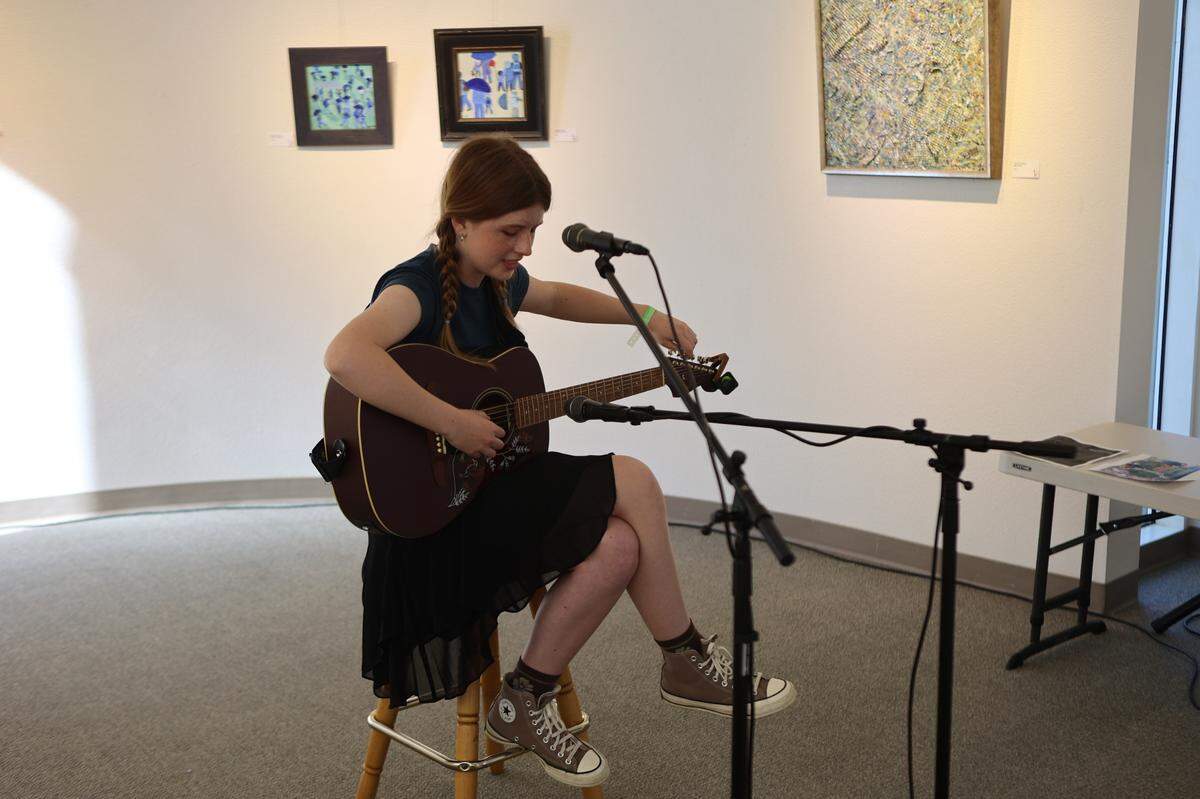
- Gwen Good, 18, who played a set Friday, the day before graduating from Kamiakin High School. She’s a singer-songwriter who plays guitar, and she describes her sound as fitting the chill, “sad girl” sound, like Phoebe Bridgers. She’s been playing guitar for about four years and now writes her own music and plays at Open Mic Nights at The Emerald of Siam. The local teen is headed to Brigham Young University’s Idaho campus in the fall, where she plans to continue to pursue music while studying software engineering.
- Prota-C, a genre-defying artist and DJ with roots in hip-hop, was joined by his crew, the other members of Workaholics LLC, a company he’s co-CEO of, and some of their other peers. The 31-year-old is committed to community, putting together events through Workaholics to put local artists on stage early in their career.
- Other artists came from around the PNW, like Rainezra from Portland, a multi-genre artist with roots in R&B and pop. She sings, plays guitar and beatboxes during her sets, and she used a live looping machine at her Get Down set to create seamless a capella covers in front of the audience’s eyes. Also committed to community, she’s involved with multiple organizations in Portland dedicated to live shows and mentoring young musicians.
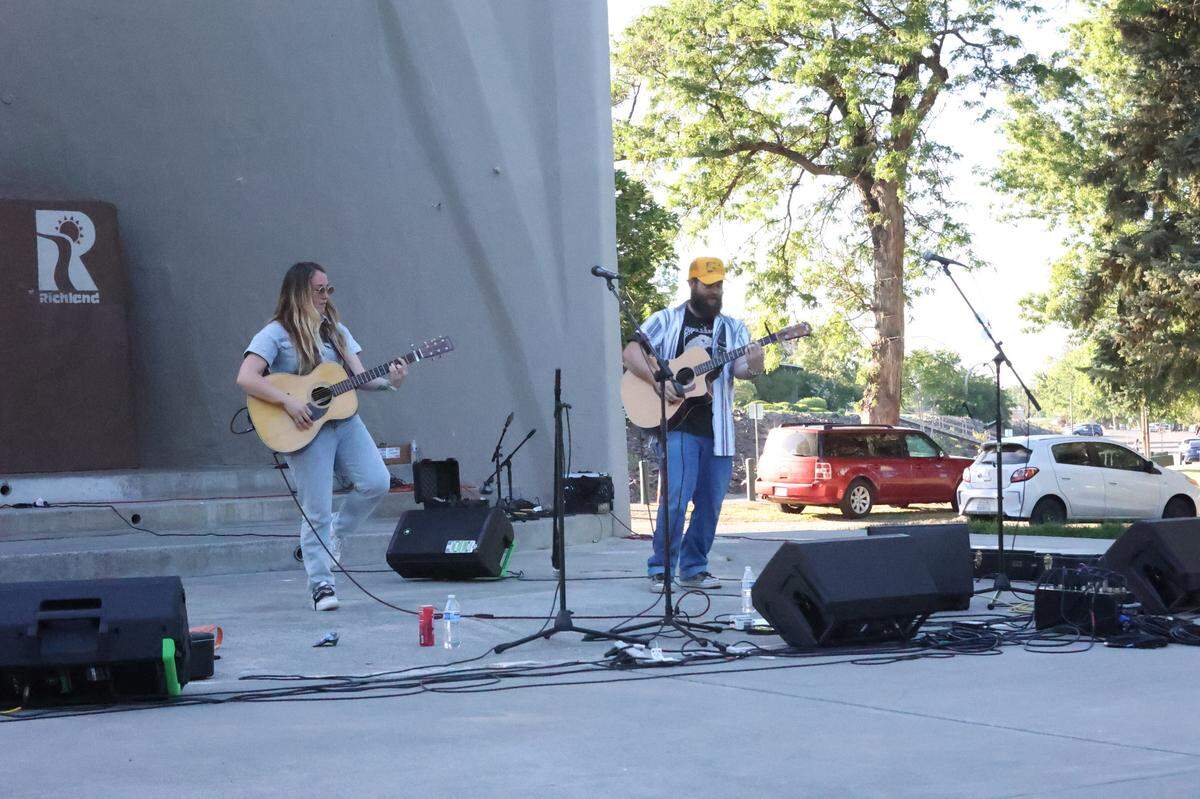
- The Hipocrats came from the other direction, hailing from Seattle. The Americana duo has performed in more than half of U.S. states, with a commitment to playing regularly across the PNW. They love the smaller communities, and intimate venues where they can look up, as storytellers, and see the audience locked in.
- Also from Seattle was SAMANTHA, a country folk artist with southern blues roots. While she splits time living between Seattle and Texas, she loves stopping in Tri-Cities while traveling between PNW shows. She’s worked with highly-respected musicians and has been performing from a young age.
Turnout at Tri Town Get Down
It’s pretty difficult to tell how many people were at nine locations across three days, especially when many people are going in and out of venues. That said, Brown reported the total attendance as 3,570.
The most popular act of the festival was Futuristic, who was actually a last-minute addition to the lineup, with over 600 at the Uptown Theatre set. That’s more than any of the three headliners had.
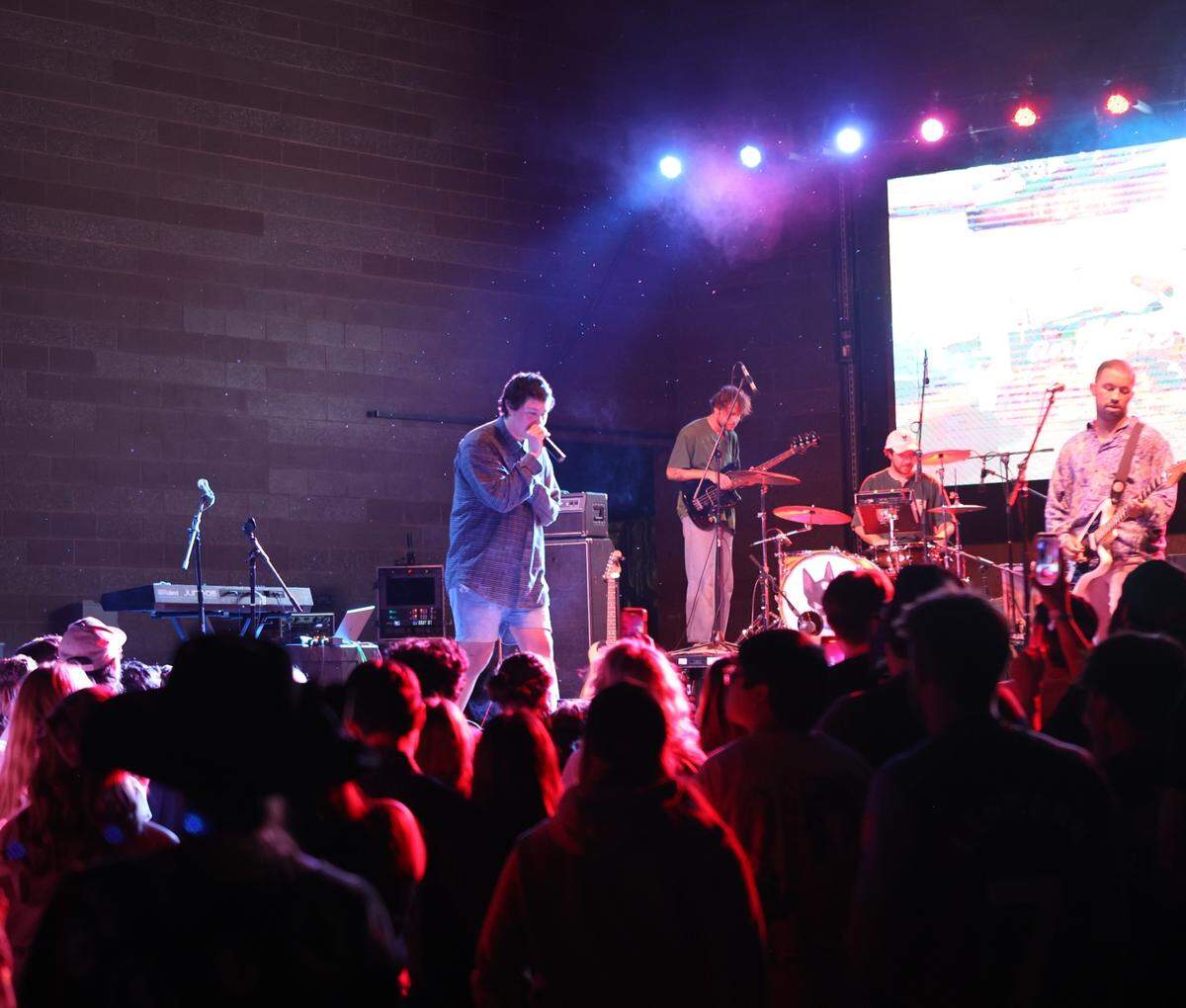
On the first night, Hobo Johnson brought in around 250, by the Herald’s estimate. The Saturday night headliner, KYLE, drew about 350 people by estimation, and only about 100 attended for the final headliner, Paul Russell, Sunday night.
The Herald received a screenshot from November 2023 in which Brown tells main stage performers they expect an audience size of 3,000 to 5,000 each day.
While the growth of the festival did not match the growth of the audience, there were still more tickets sold than last year.
Uptown Get Down sold just under 1,000 tickets. Tri Town Get Down sold more than 1,100 online, with additional sales at the door, according to Brown. If this year’s attendance was paired with last year’s venues, it would have seemed packed.
“It seems like they got ambitious and wanted to replicate a multi-stage music festival, but it’s a bit clumsy,” one user on the Tri-Cities Reddit page posted. “Everything is within walking distance, but it’s not exactly like Warped Tour or Coachella where you have multiple stages side by side so you can put on multiple acts right on after another.”
However, the Herald also received multiple reports of tickets being given away at the main stage entrance by event staff. When asked about this, Brown declined to talk about the issue.
While last year’s festival brought a small profit, this year did not. Brown said this year they invested in the festival for the community’s benefit this year.
“It was more of a labor of love for the community kind of event, rather than a profitable business venture,” Brown said.
Richland music competition emerges
Get Down gained another component from year one to year two: competition. Another music festival, scheduled for the same days, took place at Ray’s Golden Lion, in collaboration with the Social Punks of Eastern Washington.
Battle Vest Fest, which is in no way affiliated with Get Down, showcased more than 30 bands across the three days. Several of these bands had originally discussed performing at Get Down, but couldn’t come to contract agreements.
The main stage at Ray’s was used, as well as a smaller set-up on the restaurant side. The venue felt packed through most of the weekend, drawing about 275 attendees each day.
The festival remained remarkably on-schedule throughout the weekend, pumping out band after band to keep the music rolling as much as possible.
Many of the Tri-Cities’ favorite local and regional bands were on the lineup, drawing fans all throughout the day. A crowd favorite was Hubba Hubba, an all-girl rock band with palpable stage presence.
Aftermath of music festival weekends
Organizers with both festivals considered this weekend a success, thanking everyone who took part in creating their event, online and in speaking with the Herald.
Artists with both told the Herald why music festivals are so important for Tri-Cities. They give local artists an opportunity to be part of something bigger, to learn how festivals can work, and to network with others in the music industry.
They also give regional and international artists a chance to check out Tri-Cities, which they might never otherwise. The community is seeing how much talent is right here, and the possibilities for this area.
That said, not every artist was happy with the Get Down music festival’s turnout. Some told the Herald that a group of them are upset because their photos were used for promotional material without their consent or credit to their photographers.
Brown told the Herald that “most of the artists were overtly happy” with the use of their photos, and that some had signed releases.
Others are upset by promises of larger crowds, low pay or radius clauses, based on what they told the Herald. Many regional artists had no complaints, though, and commended the festival for its concept. On the other hand, none of the Battle Vest Fest artists have lodged complaints.
Brown still considers the festival a success, and says it will continue in coming years.
Overall, the decisions made over the last year led to some common artist and attendee concerns, like contract issues, an expansion beyond audience growth and the emergence of competition with cheaper entry. While many visiting artists and attendees were satisfied with their experience, Get Down will have much to consider for its third year.
UPDATE: After this article was posted, the Herald received an update from artists about accommodations. One was offered a $100 check, sent through the mail, to compensate for the room. The rapper said he paid for his producer’s lodging for the festival out of pocket.
This story was originally published June 12, 2024 at 2:27 PM.