
After decades of planning, sales tax vote set for $81M Tri-Cities performing arts center
In just a few months, Richland voters will decide if the local sales tax should go up to build an $81 million, 800-seat theater near the Reach Museum.
The Feb. 11, 2025 ballot request would add two cents to a $10 purchase on taxable sales in Richland, raising about $4 million a year to start.
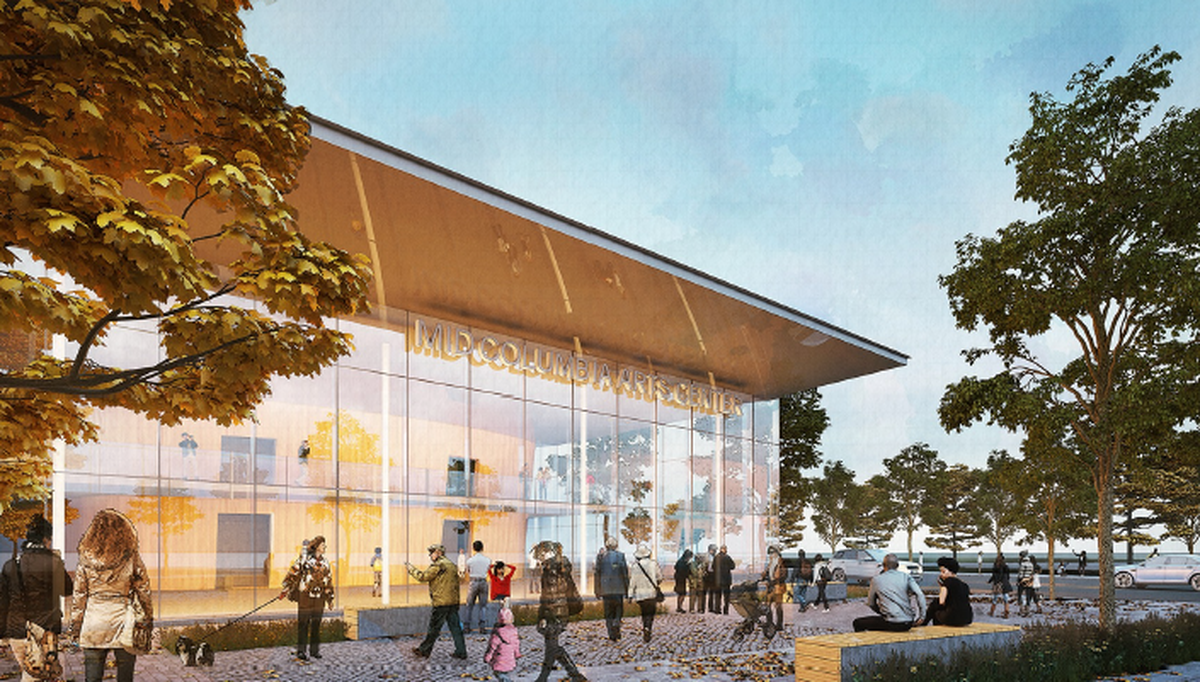
The revenue would support a bond to build the Mid-Columbia Performing Arts Center and associated facilities on undeveloped land east of the museum, near the Richland Wye.
The Richland Public Facilities District Board voted unanimously Oct. 17 to put the tax request on the ballot in February after first floating the concept to the Richland City Council and community last month.
The district is governed by a five-member board and is independent of the city, so it does not need council support to proceed.
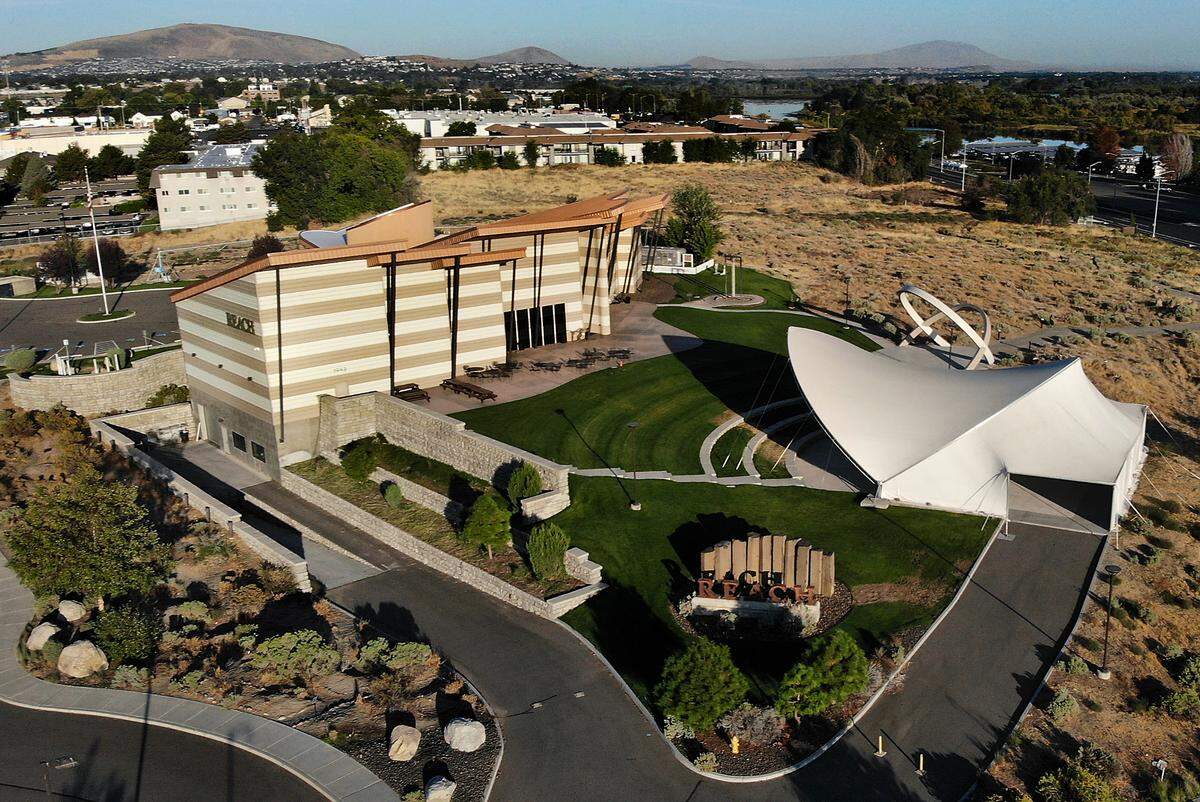
Public facilities districts receive state money to build arenas, concert halls and other public venues. They can seek voter approval to raise sales taxes by up to two-tenths of a percent to fund specific projects. Richland’s PFD built and operates the Reach Museum.
If approved, the new tax would pay about 80% of the cost to build the theater. Grants and private donations, including selling naming rights, would cover the balance.
The goal is to break ground in 2027 and open the glassy theater overlooking the Columbia River to guests a year later, said Steven Wiley, the facilities district’s president.
Echoes of Pasco aquatics center
The Richland district is following the lead of Pasco’s public facilities district. Pasco voters approved a two-tenths sales tax increase in 2022 to build an aquatics center in the Broadmoor area.
The $37.5 million aquatic center is expected to open by April 2026.
Wiley said Richland’s approach differs in two key ways.
Its tax would sunset or end after 30 years, while Pasco’s is open-ended. That’s because the performing arts center will be financially self-sustaining after three years, according to a lengthy feasibility study released in July.
Pasco’s aquatics center will tap into the sales tax revenue to support ongoing operations, which is normal for swimming pools and aquatics facilities.
Richland’s request also includes “associated facilities” in the ballot language.
Wiley said it is a cost-efficient way to build out a proper performing arts complex without having to run costly ballot measures if the tax revenue supports additional construction related to the original plan.
“Related facilities” could include a plaza, food truck facilities or other capital additions.
The 30-year time frame builds in accountability. If the district opts to renew it in the future, voters will judge if it fulfilled its original promise.
“If we do a good job, they will renew, and if we don’t they won’t,” he said.
30 years of planning
The ballot request will be promoted by the Arts Center Task Force, an independent, volunteer nonprofit that has worked for 30 years to bring a regional performing arts center to the Tri-Cities.
The task force initially intended to build at the Port of Kennewick’s Vista Field, but backed out of an agreement to buy 10 acres in the heart of the former airport in 2020.
The Richland PFD was emboldened to request the sales tax increase by an April 2024 poll of Richland residents that showed strong support for the proposed venue, even among residents who had no knowledge of the plan.
The complex would be the preferred venue for some of the region’s best-known arts organizations, including Mid-Columbia Ballet, Mid-Columbia Mastersingers, Mid-Columbia Musical Theatre and Mid-Columbia Symphony.
The Reach
In related news, the Richland PFD wants to turn management of the Reach Museum over to the nonprofit Hanford Reach Foundation.
The foundation, it believes is better positioned to bring volunteer and charitable support to the museum, which has been underused since it opened in 2014.
It wants to boost the museum’s influence with an expansion that could be accomplished by refinancing the $7 million bond that paid for the original construction.
That debt is secured by the 0.033% sales tax rebate all public facilities districts receive from the state. More space would support more exhibits and events.
The balance on the Reach debt is about $2.5 million.
The public facilities board meets monthly at the Reach, 1943 Columbia Part Trail. Its next meeting is 5:30 p.m., Nov. 14.
Agendas are posted on the Richland city website.
This story was originally published October 18, 2024 at 1:39 PM.