
Tri-Citians slower than others to get the COVID vaccine. What’s the holdup?
Getting COVID vaccine into the arms of Tri-Citians is lagging the rest of Washington state.
And public health officials aren’t totally sure why.
“There seems to have been some reluctancy in a lot of citizens to be vaccinated,” said Pasco Mayor Saul Martinez, as he recorded a Spanish-language announcement for the local health district to encourage people to get the vaccine.
The medical community is up against misinformation that seems to change daily, said one doctor.
They know that some people don’t want to be first among their friends and co-workers to get it. They want to wait and see how others fare before getting a vaccine themselves.
But in addition to vaccine “hesitancy,” many people think the vaccine too difficult to get. But for a time in March the mass COVID vaccination clinic at the Tri-Cities fairgrounds was not able to fill all the open appointments.
Franklin County ranks last among all counties in the state for the percent of residents fully vaccinated against COVID-19, with just 11%.
Benton County ranks 27th among the state’s 39 counties with just under 17% fully vaccinated, according to the Centers for Disease Control and Prevention.
Part of the low percentage in Franklin County can be explained by a population that tends to be young, making fewer people eligible for the vaccine until Washington state’s COVID vaccine eligibility restrictions lift on April 15.
But even among residents ages 65 and older, who have been eligible since January, Franklin County ranks 28th in the state with a little less than 55% of seniors fully vaccinated.
Benton County ranks 16th, but still has nearly 40% of seniors who have not been fully vaccinated.
Politics, race and misinformation
The Benton Franklin Health District is still waiting for more state data to be broken down by counties to explain more about who is not getting vaccinated locally.
A widely cited NPR/PBS NewsHour/Marist poll indicates that the Tri-Cities area likely has some demographic characteristics that will be a challenge as the Tri-Cities works toward getting enough people vaccinated to stop the spread of the coronavirus.
The early March poll found that Latinos are more likely to say they don’t plan to be vaccinated than non-Hispanic whites.
Republican men are more likely than the rest of the population to refuse the vaccine, and younger and rural residents also may be more likely to decide not to be vaccinated.
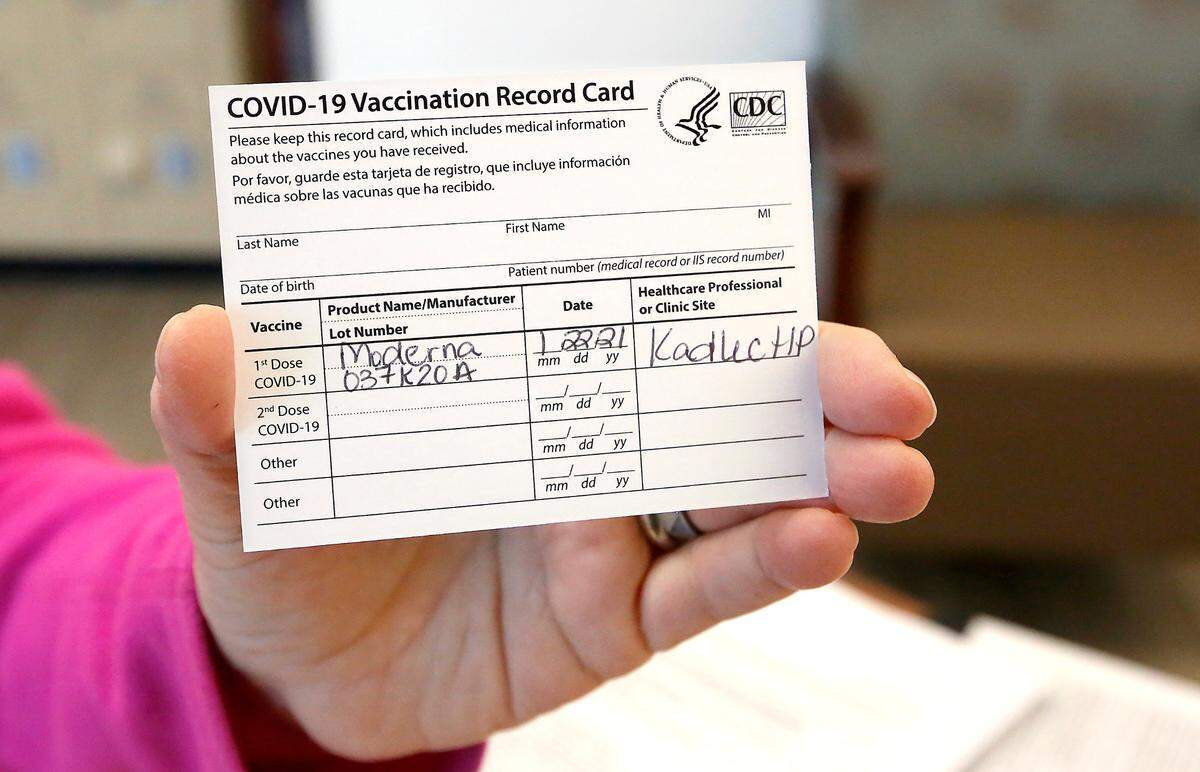
Washington state officials do acknowledge that there have been more open appointments in more rural Eastern Washington than Western Washington, with some people in the large urban areas along Interstate 5 driving to more rural areas to get vaccinated.
But all of the poll results do not necessarily apply to the Tri-Cities area.
Dr. Amy Person, health officer for the Benton Franklin Health District, said that community health clinics that serve large numbers of Spanish speakers are not having trouble finding takers for their vaccine allotments.
At the Tri-Cities Community Health Center, at least among staff, reasons for not getting the COVID vaccine, at least initially, vary, said Jim Davis, chief executive officer.
The number of staff choosing to be vaccinated has gradually increased since the end of December with about three-quarters currently vaccinated.
Some employees share attitudes seen in the broader community that COVID is not a serious problem and some have specific concerns, such as worrying about whether they should get vaccinated while pregnant, he said.
The CDC says data on the vaccine in pregnant women is limited, but that it is unlikely to pose a risk. However, COVID is known to pose an increased risk in pregnant women for hospitalization and for preterm birth.
Among health care workers, the first to be eligible for the vaccine, there was a tendency for some people not wanting to be first to get the vaccine, Dr. Person said.
“That would be typical of anytime there is anything new, there are always people who adopt early and people who are less sure,” she said. “So the more they see positive results — or lack of negative results from the early adopters, the people who were vaccinated — the more comfortable they will be.”
The Tri-Cities Hispanic Chamber of Commerce is seeing a similar trend, said Ramiro Panduro, a translator with the agency.
He does not hear people saying they are opposed to getting the vaccine as much as “people are being cautions and seeing what happens with people getting it first,” he said.
Vaccine misinformation
The health district is working to have trusted members of the community talk about their experience and support of the vaccine, including in the Spanish-speaking community.
Dr. Julian Perez of the Sea Mar Community Health Centers, which provide service primarily to Latinos across Washington state, says health care providers hear rumors frequently.
People may ask if it is true that the vaccine can cause infertility, that the shots are just water or that a microchip is implanted with the vaccine.
“Every time I hear the question(s) there is a new conspiracy theory that has been developed and passed on social media through the internet mainly,” Perez said on a Community Health Plan of Washington COVID myth-busting webcast. “Our patients are bombarded with this and they really don’t know what to believe.”
The Benton Franklin Health District has launched a $30,000 radio campaign, with trusted people like the Pasco mayor providing information and reassurance about the COVID vaccine primarily on Spanish-language stations in the Tri-Cities area.
“We are always working on misinformation,” Dr. Person said. “Our job is not to ensure everyone agrees with us but make sure everyone making a decision around vaccination is doing it with accurate and reliable information.”
Dr. Umair Shah, the Washington state secretary of health, says recommendations by doctors are key. People should be encouraged that more than 90% of physicians have received the vaccine, he said.
The Washington state and Tri-Cities strategy to get people vaccinated also includes having as many places available as possible for immunization.
Vaccine access
“We have to look at all the people in our communities and realize that one type of service does not fit everybody,” said Heather Hill, the infectious disease supervisor for the local health district, speaking on the Kadlec on Call podcast last week.
The Benton County Fairgrounds in Kennewick, one of the state of Washington’s mass vaccination sites, reached a milestone last week of 50,000 shots given since opening Jan. 25.
But not everyone is comfortable getting vaccinated there, Dr. Person said.
“We know from our experience with testing sites that utilize the National Guard that we do have some populations that the heavy presence of National Guard and police — just all of those uniforms — makes (some) uncomfortable,” she said.
That can include immigrants without documentation and people who don’t want their license plates checked, she said.
Dr. Person said she was encouraged that about 15% of the people using that site now are Hispanic.
Those who don’t speak English also can find registration a challenge, she said. The Washington state Department of Health is offering registration help in multiple languages through its COVID-19 Assistance Hotline at 800-525-0127.
The Tri-Cities Hispanic Chamber of Commerce also is helping Spanish speakers sign up for appointments. Call 509-430-4314.
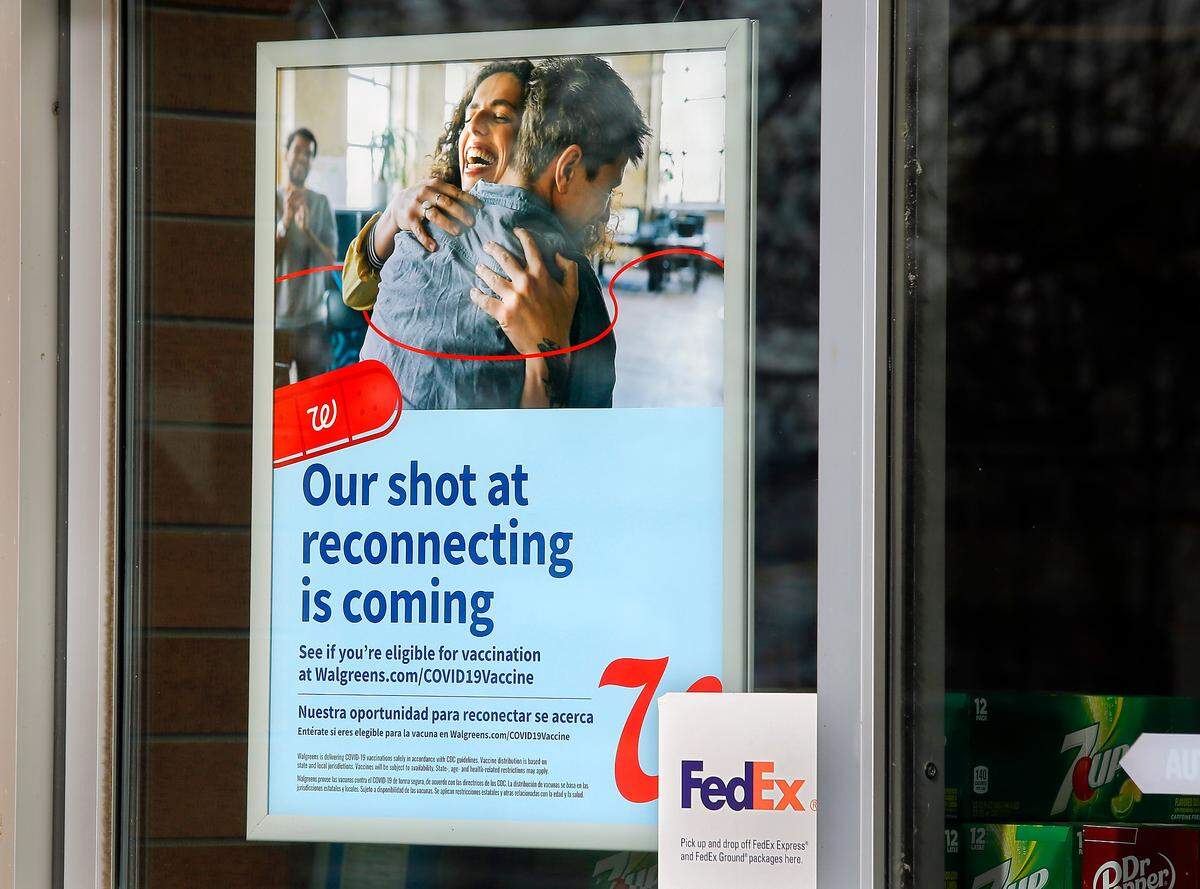
Additional places offering the vaccine, such as pharmacies, also offer more varied hours, including expanded evening and weekend hours, that may be more convenient for people who may have a difficult time getting off work to get a vaccine.
The most popular time to get a vaccine at the Tri-Cities fairgrounds is the three hours it has been open on the weekend, 9 a.m. to noon Saturdays.
Washington state also maintains a listing of places with open appointments at vaccinelocator.doh.wa.gov.
Vaccine and young adults
When the Benton County Fairgrounds mass vaccination clinic opened, it could not keep up with the demand from people ages 65 and older eager to be immunized.
But public health officials expect it to be tougher to convince some young, healthy adults to be vaccinated.
“The senior population saw how devastating this was,” Hill said. “As we have moved into younger and younger populations, we see a little more ... nonchalant attitude of, ‘I am young. I am healthy. If I catch COVID it is not going to be a big deal.’”
Getting vaccinated may seem like more of a hassle than it is worth for them.
Public health officials are working to get people to understand that even if they don’t have a bad outcome if they are infected with the coronavirus, they might pass it to someone who does without even being aware of it, Hill said.
“We have seen some pretty devastating family situations where it became apparent that a family member actually passed it on to a loved one and the outcome was not good,” she said. “We have seen, unfortunately, people die because they were exposed in a family unit.”
“How sad that somebody wasn’t vaccinated and could have prevented passing that on to a loved one who ended up in a bad outcome,” she said.
Convincing young adults to be vaccinated also will be important to keeping businesses operating.
Outbreaks have been documented in the types of businesses that tend to have younger workers, such as grocery and other retail stores and restaurants.
“To keep businesses going, it is going to be so important that this population be vaccinated as well,” Hill said.
With many people age 65 and older still not vaccinated in the state, Gov. Jay Inslee and Washington Department of Health officials are asking people to reach out to their older relatives and neighbors to see if they need help finding an appointment or getting a ride to an appointment.
Some seniors may have become discouraged by reports early in the year of long wait times to get the vaccine or had difficulty finding the vaccine, said Dr. Person
But that has markedly improved, with many people spending an hour or less in their cars at the mass vaccination clinic at the Tri-Cities fairgrounds, including a waiting period after they receive their shot to make sure they did not have a rare serious reaction to the vaccine.
Vaccines for ag workers
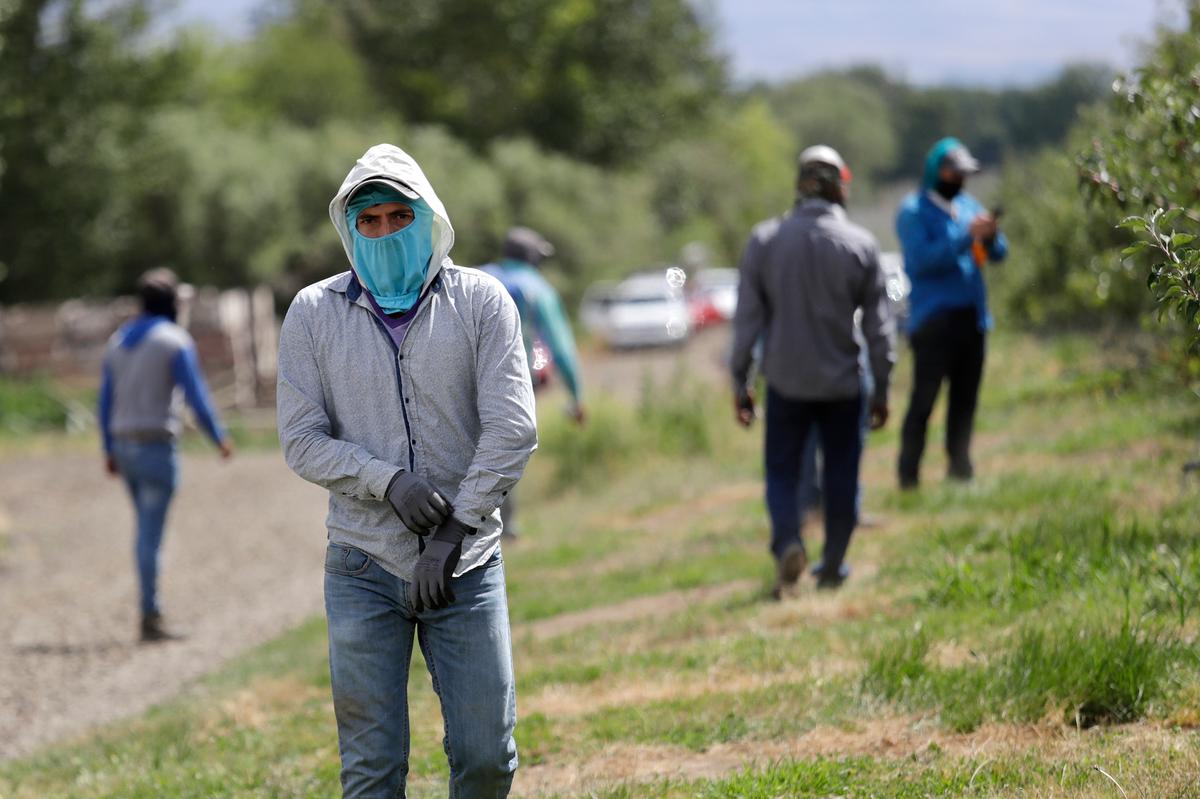
Last summer seasonal agriculture and food processing workers in the Tri-Cities area were hit particularly hard by COVID-19.
This summer ag industry employers want to get their workers vaccinated, Hill said.
The health district has an employee assigned to daily contact with agriculture and food processing companies to work on COVID issues.
The Benton County Fairgrounds mass vaccination clinic also has been coordinating with agriculture employees.
A week ago vans carrying workers from area farms lined up at the drive-thru clinic for COVID shots.
One of the best solutions for agriculture workers in Franklin County is to bring the vaccine to them, said the Pasco mayor.
The Benton Franklin Health District with assistance from Tri-Cities Community Health held a COVID vaccine clinic on site at Gourmet Trading in Pasco recently for applicants for jobs there as the asparagus season gets underway.
Tyson Foods on Thursday offered free, onsite COVID vaccinations to hundreds of workers at its Wallula beef processing plant south of Pasco.
However, finding services that can go to work sites has been a struggle, Hill said.
Local public health officials expect to get some help from the Washington state Department of Health, which recently offered to help locate people who can come into the community for some on-site vaccinations, she said.
Pasco Mayor Martinez said he thinks workers are receptive.
Some lack sick days, either to leave work to get a vaccine or to cover time off from work if they get COVID.
“Any day they have to take off of work is going to affect their household,” he said.
This story was originally published April 5, 2021 at 5:00 AM with the headline "Tri-Citians slower than others to get the COVID vaccine. What’s the holdup?."