
Hundreds of Tri-Cities students didn’t show up to school this fall. Where are they?
When Pasco school leaders finished counting their students at the beginning of the school year, they discovered 1,255 fewer than they expected.
It was a surprise for a district that has grown annually, sometimes by several hundred students a year.
When the numbers become apparent, administrators, teachers and counselors started working to find the kids. Many of whom were already enrolled in class, but hadn’t shown up
“Our school teams put forth every effort to locate and engage these students,” said Superintendent Michelle Whitney. “They did things like personal phone calls, robo calls, emails and home visits.”
Pasco isn’t alone in the problem. Other school districts in the Tri-Cities and statewide saw fewer kids show up for online classes this fall, and that means schools will receive millions of dollars in less revenue than they planned for.
So far, they do not expect big budget cuts because some money was saved while schools were shut down. The real concern is for the students.
In all, Pasco, Richland and Kennewick enrollments are down 1,100 students.
University of Washington Professor Meredith Honig said the full picture of what the drop in enrollment will mean across the state is still being looked at.
There has been a combination of parents turning to homeschooling and private schools or delaying kindergarten as they wait for either COVID-19 rates to fall or schools to fully reopen. In some cases, students just aren’t showing up.
Adding to the problem, distance learning has highlighted the divide between people with good access to the internet and those without it.
Even with districts handing out Wi-Fi hotspots or opening their doors to students who need help connecting to class, some students and parents are running into bandwidth issues as they struggle to log in.
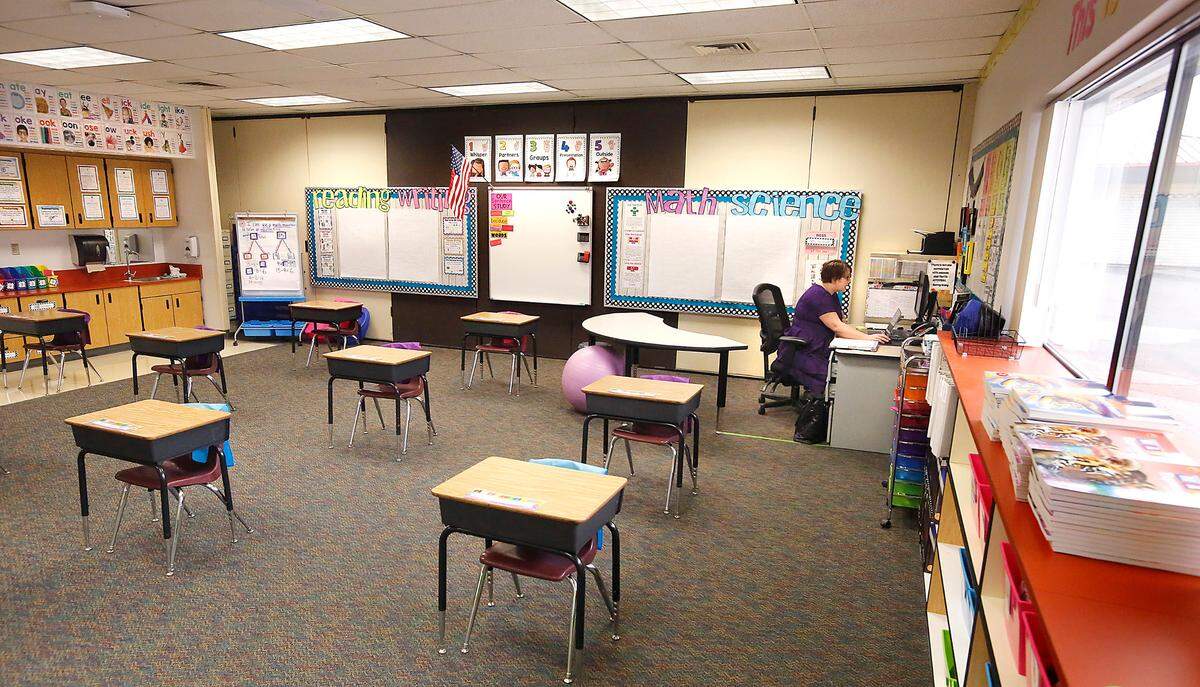
Pasco schools
One of Pasco’s success stories happened at Marie Curie STEM Elementary where staff members started preparing a month before school started, said Principal Valerie Aragon.
About 95 percent of the students at the school receive free and reduced meals, and about two-thirds are learning English and many have parents who need to work while students are trying to attend classes online at home.
Teachers and staff set up tables outside of the school for three days before classes began and had parents and students stop by at assigned times to meet their teachers and get instructions on how to sign on for classes.
Aragon, along with an assistant principal, counselor and sometimes a teacher, also visited the homes of the students who didn’t make it during the first few days of school.
The efforts paid off, and 100 percent of their registered students showed up. An effort that Aragon credits her staff for accomplishing.
Other Pasco schools tried similar efforts after the initial low enrollment figures. Whitney shared stories of several other staff members who went to extraordinary lengths to find students who hadn’t logged in to class yet.
“One of our local homeless shelters, our administrator showed up there with our social workers and a person that works there said, ‘Four people that work for your building have already contacted us here looking for that same student,” Whitney said.
The state superintendent’s office also relaxed the rules so if students attended class anytime in September, they could be counted in the district’s enrollment.
The work by schools combined with the change in the rule allowed the district to add 1,033 students to its enrollment.
“When I say, ‘We are Pasco,’ we have staff that truly walk that walk for the students that need us the most,” Whitney said.
The problem many families faced was understanding how to access the computer programs, Aragon said.
Teachers and administrators are continuing their efforts to make sure students stay engaged.
“We working to engage with them,” said Shane Edinger, the district’s director of public affairs.
The district is still down more than 200 students than predicted and is cutting expenses that don’t impact the classroom, said Edinger.
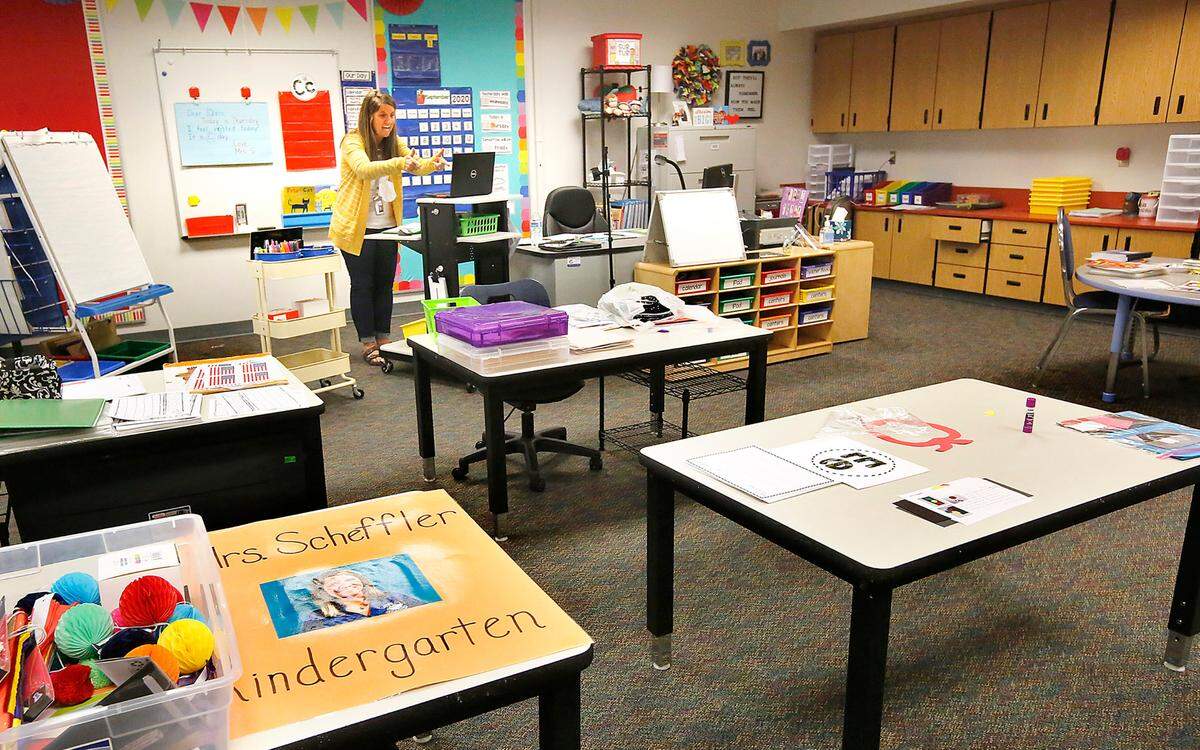
Kennewick schools
Of the three Tri-Cities’ districts, Kennewick has seen the largest enrollment slide. At one point, the count was as high as 600 students fewer than what they projected.
Amon Creek and Canyon View elementary schools saw more than 60 children fewer than they expected.
A drop of 600 students would have meant a $6 million cut to the district’s $277 million budget, according to a presentation at the Sept. 16 school board meeting.
The district has since been able to connect with 100 more of those children, said Robyn Chastain, the district’s executive director of communications and public relations.
Vic Roberts, the elective director of business operations, told the school board that school secretaries worked to reach the parents of children who weren’t showing up.
The largest drop were kindergartners, Chastain said.
“We suspect that these families have elected to keep their children at home rather than enroll them in school,” she said.
School leaders know more families are homeschooling their children or are enrolling them in private schools.
While the Kennewick district is still predicting a drop in revenue, it’s not expecting to make any cuts, Roberts said. The district ended the previous school year with in a better financial position than it predicted.
Richland schools
Richland schools are down 350 fewer students than at this point last year. It’s part of a larger downward trend for the district in recent years.
The biggest loses, like Kennewick, are in elementary schools which have lost nearly 400 students total.
Along with families moving out of the area, officials believe the drop is due to parents either choosing to homeschool or put their kids into a private schools, said Ty Beaver, the district’s communications director.
“We are also seeing far fewer kindergartners than usual, which appears to be a result of families keeping students home who are on the threshold of the minimum age for enrollment,” Beaver said.
Both Kennewick and Richland saw increases in the number of high school students. But that’s expected to evaporate over the course of the year, since high school enrollments tend to drop.
Richland also started planning for the potential financial losses as soon as schools shut down in the spring.
“We are continuing to monitor our enrollment and the need for any further spending adjustments,” Beaver said.
This story was originally published October 5, 2020 at 5:00 AM with the headline "Hundreds of Tri-Cities students didn’t show up to school this fall. Where are they?."