
Duel strategy needed now to accelerate Hanford nuclear waste cleanup | Opinion
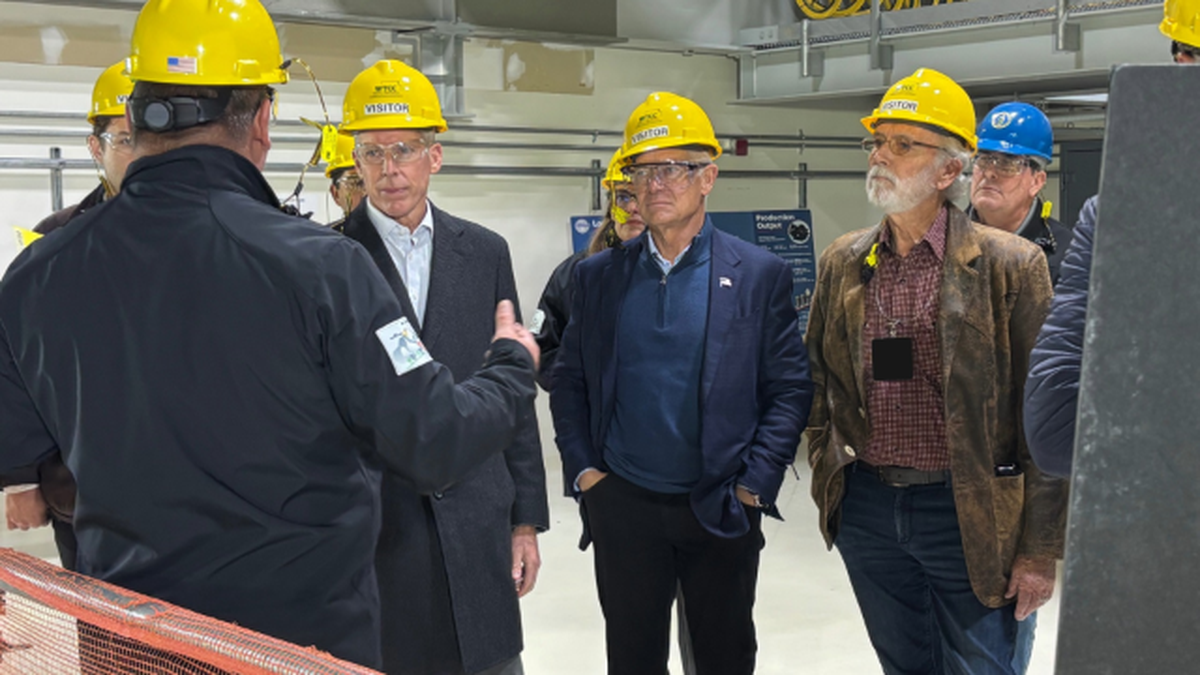
%20Safety%20approved.JPG "Workers with Hanford Tank Waste Operations & Closure use long reach tools to tighten nozzle connectors while installing the final piece of piping needed to connect the tank farms to the vitrification plant.")
The people of Washington have waited long enough. For decades, the Hanford site has been a symbol of both scientific achievement and environmental burden — a place where commitments were made to clean up the nation’s largest inventory of radioactive tank waste, yet too often delayed by technical setbacks and bureaucratic inertia.
That must change, and it must change now.
Today, we have a clear, urgent and achievable path forward — one that accelerates cleanup, protects workers and communities, and saves billions in taxpayer dollars. Hanford is finally positioned to move faster, and as the official charged with leading this mission, I am insisting that we seize this moment.
Over the past year, Hanford’s pretreatment systems have proven what is possible when we push for performance. The Tank Side Cesium Removal system has already pretreated more than 1.2 million gallons of waste, removing 99.9% of its radioactivity and preparing it for safe disposal. That progress is real, and it is meaningful.
But it is also threatened by the slow pace of waste vitrification (i.e., glass) at the Waste Treatment and Immobilization Plant (WTP), which — due to repeated technical challenges — has managed to solidify only 100,000 gallons in its first seven months of operations. Every week the facility sits idle, tanks stay fuller, retrievals fall behind schedule, and environmental and safety risks persist.
We cannot allow the entire cleanup mission to bottleneck behind a single technology and regulatory morass.
This is why I am championing a dual glass-plus-grout strategy — a pragmatic, science-based and urgently needed approach that uses both vitrification and grouting to safely immobilize the low activity waste stream.
This strategy is not experimental. It is not speculative. It is already supported by state and federal regulators at the Hanford Site and has been successfully demonstrated through Hanford’s recent secondary waste efforts.
As an example, the Savannah River Site in South Carolina has demonstrated an annualized treatment rate of 9 million gallons for very similar tank waste, is on track to treat 6 million gallons this year, and has successfully treated 13 million gallons to date using a dual glass-plus-grout approach.
And the numbers speak for themselves. Grouting certain portions of low-activity and secondary waste streams will increase treatment throughput by up to 300%, reduce disposal costs from roughly $1,200 per gallon to under $50 per gallon, and allow DOE to remove 400,000–600,000 gallons of waste for out-of-state disposal by the end of this year — waste that would otherwise sit waiting for space in overfilled tanks.
By the end of 2027, over 3 million gallons of low-activity tank waste can be safely grouted and shipped out of Washington each year. By 2030, more than 9 million gallons annually of tank waste can be retrieved, treated and shipped out of state, accelerating cleanup by decades while saving taxpayers billions.
This is not just an efficiency improvement. This is environmental protection in action.
The dual-track plan also builds long-term capacity. Within 15 months, the Advanced Modular Pretreatment System will triple Hanford’s pretreatment rate to more than 300,000 gallons per month, while the WTP will ramp toward 170,000 gallons per month of vitrification. That combined capability will finally give Hanford the muscle it needs to stay ahead of tank waste generation, meet legal retrieval milestones and reduce risk across the site.
Let me be clear: this is not about cutting corners. This is about cutting delay. It is about honoring our commitments to the people of Washington, safeguarding the Columbia River, protecting the environment and public health, and delivering better value to American taxpayers.
For the first time in years, we have a realistic opportunity to move faster — much faster — without sacrificing safety or effectiveness. The only unacceptable option now is inaction.
The communities surrounding Hanford have carried this burden for generations. They deserve urgency. They deserve innovation. And they deserve results.
That is the commitment I am making: to move with speed, to insist on accountability, and to drive this cleanup forward with every tool available — glass, grout and the full determination of the Department of Energy.
The time to accelerate Hanford cleanup is now. And we are acting.
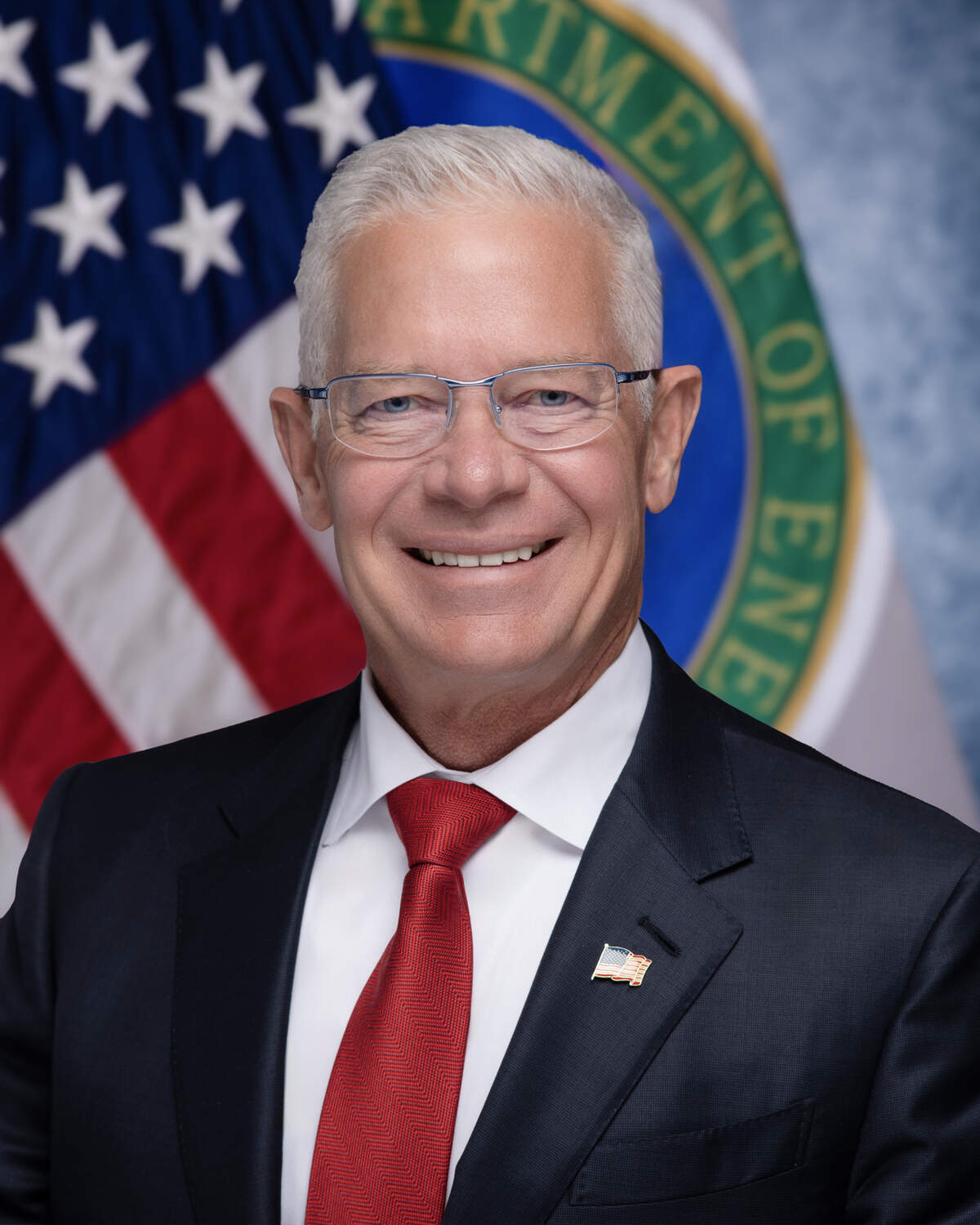
-Tim Walsh is Assistant Secretary of the Department of Energy for Environmental Management.
This story was originally published June 23, 2026 at 11:29 AM.