
The future flows here: Eastern Washington water resource management
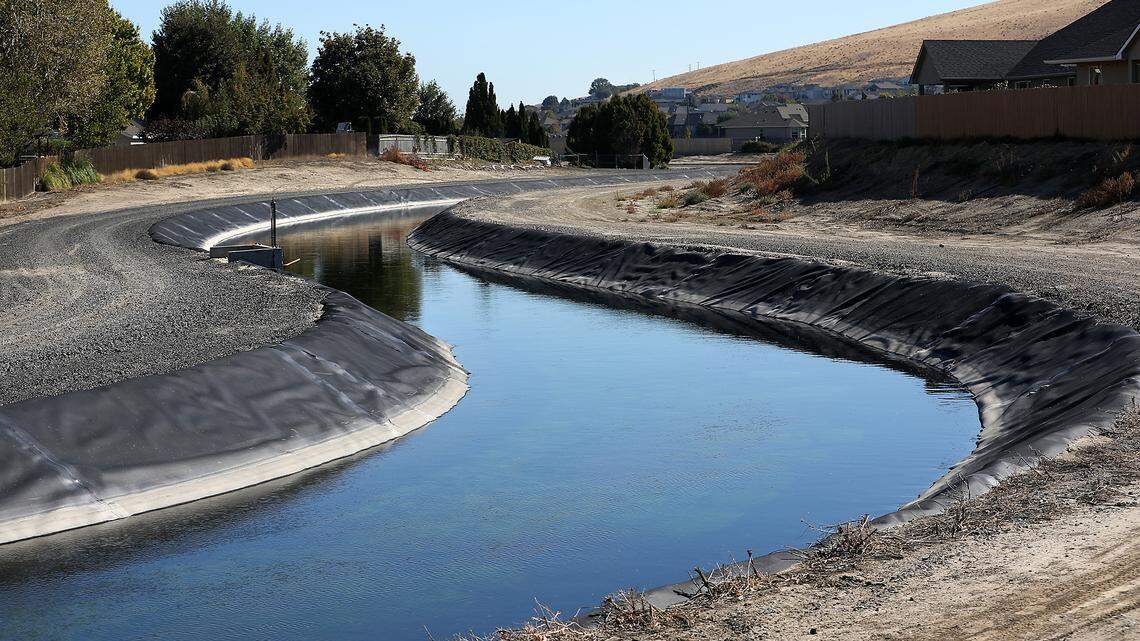
Columbia Basin water is essential for life in Southeastern Washington. Yet we have been in some form of drought for three of the last four years, and 2026 is shaping up to be even more dire.
On April 16 at noon, the Columbia Basin Badger Club will offer a forum with experts who will discuss how our water is measured, monitored, delivered, used, and — most of all — shared, across our region.
In the arid West, the definition and allotment of “water rights” has been established as the legal precedent for water distribution and use. Water rights have long been in existence for recognized tribes, including the Yakama Nation, and are not subject to state regulation, law or oversight. After the tribal allotment for the Yakima River, the Washington Department of Ecology has specified the remaining available water rights.
Main rights holders for this remaining water include the Kennewick Irrigation District, West Richland, Prosser, Sunnyside, Roza, Yakima and all the irrigated land in between.
Washington has experienced multiple droughts since 2000 and is projected to experience more drought. Ongoing climate-related issues will affect water rights quantities available. What does the future look like for our water resources? Can we adapt to living with less water? These experts will help us understand how water issues will shape our future:
• Toby Rodgers will discuss where our water comes from. He has been involved with the USDA-NRCS Snow Survey program since 2004 and as of 2025 is the Washington Water Supply Specialist for the Natural Resources Conservation Service. He has seen the changes in precipitation data and trends in snowpack. Recent years have experienced a reduction in summer precipitation and an increase in winter and spring precipitation. More winter and spring precipitation is now falling as rain, reducing the snowpack that feeds late-summer river flows. During snow drought years such as 2025-2026 the river flow forecast for the Yakima is about half of normal.
• Chad Stuart will offer details about how our water is delivered. He works for the U.S. Bureau of Reclamation, where he serves as Field Office Manager for the Yakima River dams and the associated water structures. His oversight includes the Chandler and Roza federal dams managed by the Bureau of Reclamation for water and power. Reclamation also operates numerous other water resource management projects throughout the Columbia Basin.
• Shane Leonard, the Kennewick Irrigation District Manager, will address local water use. Irrigation districts operate and maintain water resource facilities in the Basin, such as storage and diversion dams, pumping plants, canals and pipeline distribution systems. Formed in 1917, the KID was established to support local agricultural expansion by securing reliable water from the Yakima River. He will speak to the challenges of managing the water delivered to the now primarily urban area in the Tri-Cities.
An often-quoted saying in the West and frequently attributed to Mark Twain encapsulates the intense conflicts over limited water resources: “Whiskey is for drinking; water is for fighting over.” Join us as we offer civil discourse on charting our water use future.
This Badger forum will be the third in a yearlong series of free hybrid events offered in-person and online through Zoom. Register in advance at www.columbiabasinbadgers.com for the in-person event at the KID offices at 2015 S. Ely St., Kennewick, or the online Zoom program.
Sally Bredeweg is the Badger Club’s VP for Programs and a retired USDA-NRCS Environmental Engineer.