
Arts cuts affect more than metro areas. What’s happening in Tri-Cities | Opinion
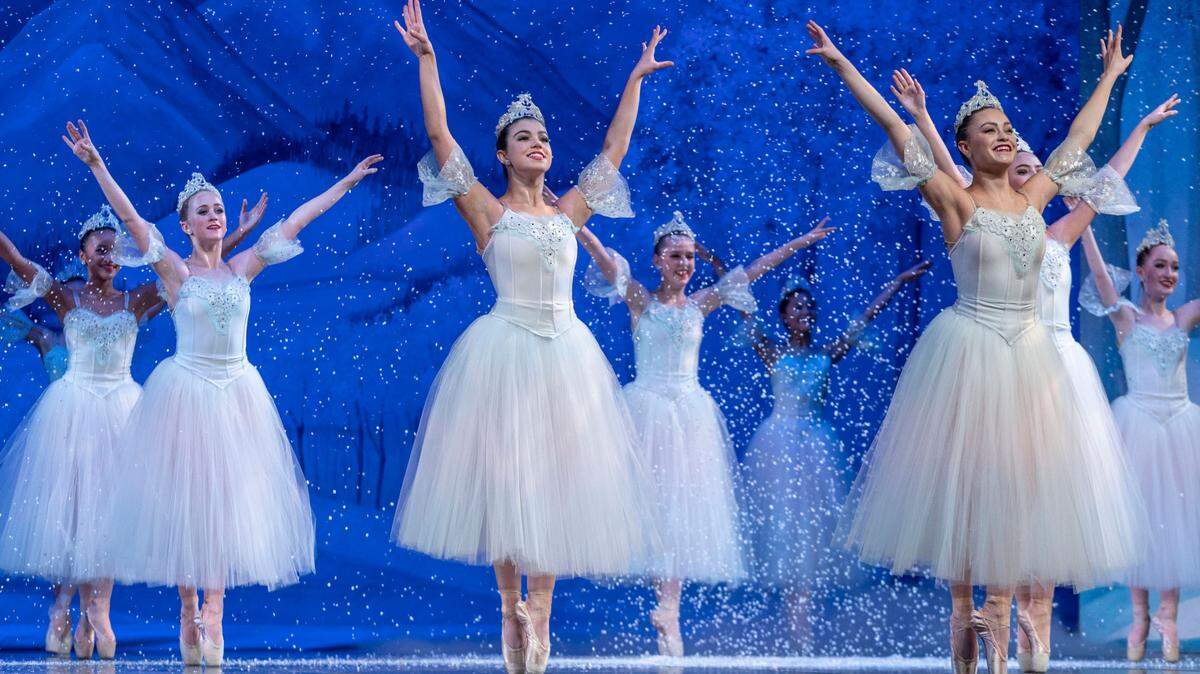
From a bustling mural-lined alleyway in Pasco to the rhythmic pulse of a neighborhood musician playing at a farmers market in Richland, and the certified Creative Arts District in Downtown Kennewick, the arts are more than just entertainment – they are the heartbeat of a thriving community.
Beyond the canvas and the stage, the arts serve as powerful engines for growth, transforming quiet corners into vibrant centers of connection and opportunity.
It’s more than just conjecture. Numerous reports and studies show that arts groups contribute immensely to the vitality of communities by supporting economic development, fostering social cohesion and improving overall well-being.
Communities that prioritize and support performing and other creative arts enjoy noticeable improvements in livability. Arts organizations and activities not only enrich daily life but also reinforce a community’s unique character and sense of place. They also help attract and retain community members, such as the highly skilled workers important to the Tri-Cities.
Despite their many contributions, arts organizations both nationally and locally face significant challenges.
Factors altering the operational environment for arts organizations include changing population demographics, increased accessibility and use of online entertainment, and impacts of the pandemic.
Attendance at art events has not returned to pre-pandemic levels. Many groups are dealing with stagnant or reduced donations, and there have been cuts to other sources of support, such as the National Endowment for the Arts.
Increasing operational costs and limited access to performance spaces are placing additional strain on these organizations.
In August 2025, the Tri-City Herald published an article highlighting challenges faced by the Mid-Columbia Symphony titled, “Financial crisis threatens future of one of Tri-Cities oldest community groups.”
Given the statewide interest and vitality of arts in Washington state, it is surprising to note that we rank in the bottom half of states in per-capita funding of the arts.
A Feb. 26 Columbia Basin Badger Club hybrid forum will examine the importance, status, and challenges of arts groups in the Tri-Cities.
The event will feature representatives from various segments of the community. Panelists involved in community development will discuss the importance of arts to economic vitality, creation of an inviting community for residents, visitors and local businesses, and describe their vision of the important components of a thriving arts community and what it requires to sustain it.
Representatives from regional arts groups will discuss local arts programs and the excitement they feel about what they are doing, the challenges they face, and how they – and the community – must work together to address them.
Panel members
- Stephanie Button, executive director of the Historic Downtown Kennewick Partnership.
- Justin Raffa, artistic director of the Mid-Columbia Master Singers and past member of the Washington State Arts Commission.
- Debra Pearse Rogo, artistic director of the Mid-Columbia Ballet.
- Rob Roxburgh, communications director for Central Plateau Cleanup Co.
The forum will mark the return of live Badger Club events. This with be a hybrid event held in-person at the Richland Public Library in the Doris Roberts Gallery but also will be available online.
It is free but requires pre-registration to either attend in person or watch online.
Register for this free event at columbiabasinbadgers.com.
The forum will begin at noon, but attendees at the library are encouraged to arrive as early as 11:30 a.m. Unlike pre-pandemic forums, no lunch will be served.
— Don Baer is the president-elect of the Badger Club, a member of the Mid-Columbia Symphony Board of Trustees, and a retired Laboratory Fellow from Pacific Northwest National Laboratory.