
The role of local government should have in immigration enforcement | Opinion
AI-generated summary reviewed by our newsroom.
- Washington's KWW Act restricts local use of public resources for federal immigration enforcement.
- Forum panelists debated whether sanctuary policies hinder or help public safety efforts.
- Deportation fears impact labor reliability and threaten regional food and economic stability.
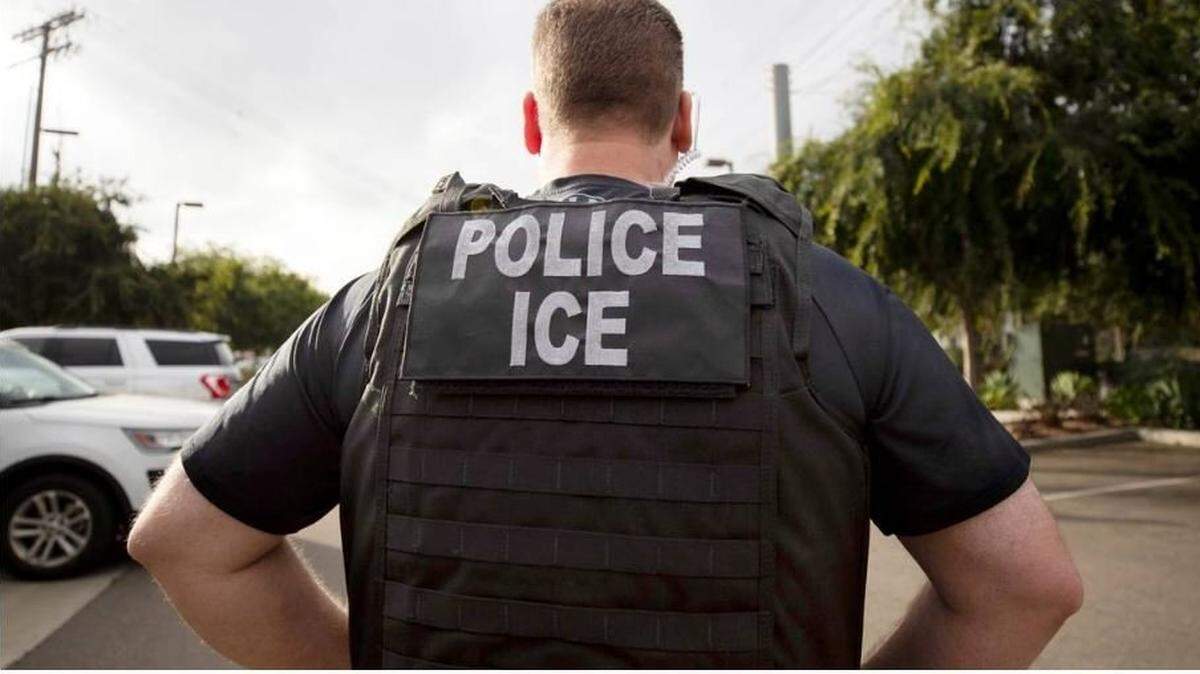
Federal immigration law enforcement has changed radically since the Trump Administration pledged to deport as many as 1 million undocumented people. What can and should local government and citizens do?
The Columbia Basin Badger Club will offer an online forum on Zoom beginning at noon on Thursday, Aug. 21, on immigration enforcement and the role the Keep Washington Working Act (KWW) of 2019 plays in how local governments might respond.
The state Office of the Attorney General says, “The Legislature determined that it is not state or local law enforcement’s primary purpose to enforce civil federal immigration law... (and) that a person’s immigration status, presence in the country, or employment alone is not a matter for police action — reinforcing that the federal government bears the primary jurisdiction to enforce federal immigration law. Importantly, KWW places no restriction on local agencies’ ability to enforce state and local law.”
Our interactive forum will feature three speakers.
- Benton County Commissioner Jerome Delvin is a former local law enforcement officer and state legislator whose broad experience informs his opinions on what role local government should play. He supports the Trump Administration’s efforts to reverse the results of the past administration’s actions that resulted in an influx of immigrants.
Delvin suggested using available space at the Benton County jail for those detained by federal officials, but learned doing so may violate KWW.
He is committed to following state, local and federal law and intends to work collaboratively with federal authorities to ensure that our community remains safe.
He believes “sanctuary policies hinder federal efforts to deport individuals with criminal records or those deemed to be a threat to public safety” and that such “defiance of federal law could impact federal funding of state and local programs.”
- Two leaders of the Tri-Cities Immigrant Coalition, president Sonee Wilson and member Carol Larkin, assert that “public safety and community well-being are best served not by fear-based policies, but by trust, inclusion, and the rule of law.”
They will discuss the role KWW plays in ensuring local police enforce state and local criminal laws, rather than using scarce public resources for federal civil immigration enforcement.
Wilson will cite information about the broken federal immigration system including large immigration court backlogs, long waiting times for visas, and outdated federal law. The coalition speakers believe trust is the foundation of public safety. When people fear that calling the police might lead to questions about their immigration status, communities suffer.
The coalition notes a 2020 study from the Washington State Institute for Public Policy that estimated 70 percent of U.S. farmworkers were born outside the country, and nearly half were undocumented.
Local grower Alan Schreiber recently told the Tri-City Herald that threats of mass deportations have had a chilling effect on workers, threatening food security and economic stability. Wilson believes deporting workers only deepens existing labor shortages and harms our regional economy.
Delvin recognizes that immigration affects the economy and fabric of our community. He cites the success of legal avenues for temporary, nonimmigrant workers to perform agricultural labor via the H-2A program or the H-1B program for those with an occupation that requires specialized knowledge.
He says these individuals have a legal visa and pay federal, state, and local taxes, thus contributing to our infrastructure, healthcare, and education.
You can register for this event, which will include a Q&A session, at columbiabasinbadgers.com to receive a confirmation and links to join the hourlong Zoom forum and a half-hour “Table Talk” open-mic session afterward. Cost is $10 for nonmembers, while club members can join for free.
Marla Marvin is the president of the Badger Club