
Salmon recovery calls for reducing challenges, not removing dams | Opinion
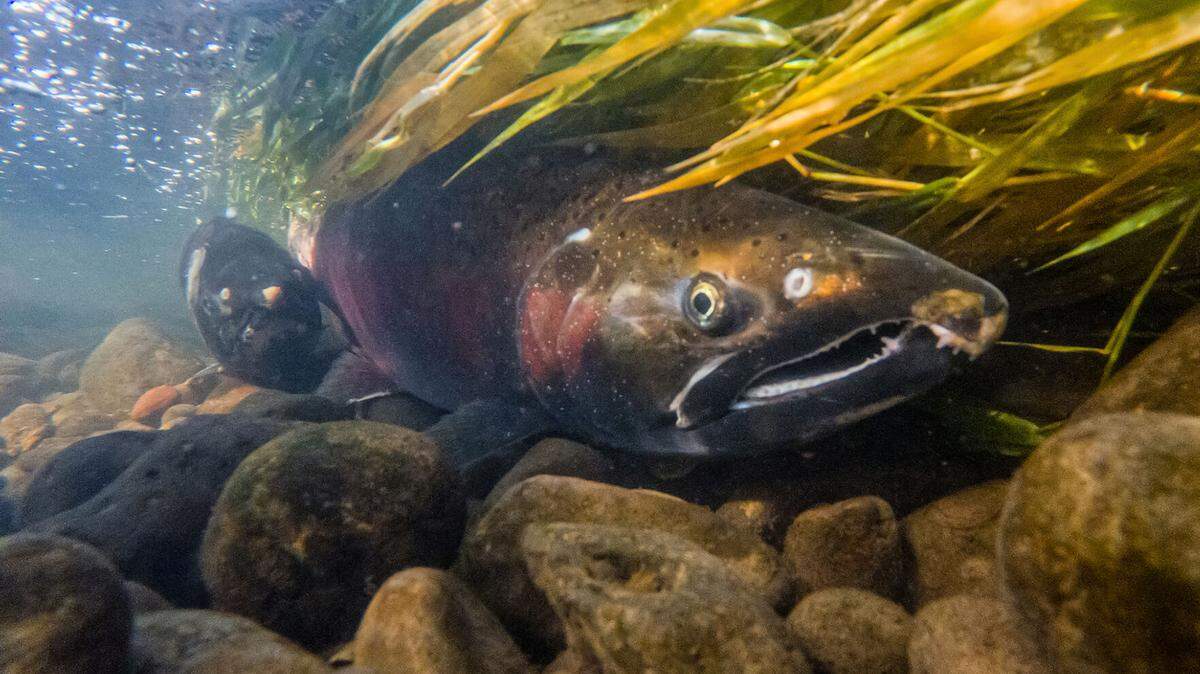
In dark and murky water, what warns fish when they are about to be swallowed?
What physically tells fish, in advance and at a distance, that a predator is closing fast?
Along with hearing, fish have rows of special receptors in their scales that detect pressure waves, collectively called lateral lines. These ‘lines’ can be found on top fins, across the head, tops of tails, and elsewhere, but mostly along their sides. Lateral lines give fish almost instant awareness of any nearby movement. Lateral line uses include defense, hunting, communication, parenting, and schooling.
While an essential defense for almost all fish species, lateral lines get very little press. Humans give little importance to a sense that is beyond their ability to imagine.
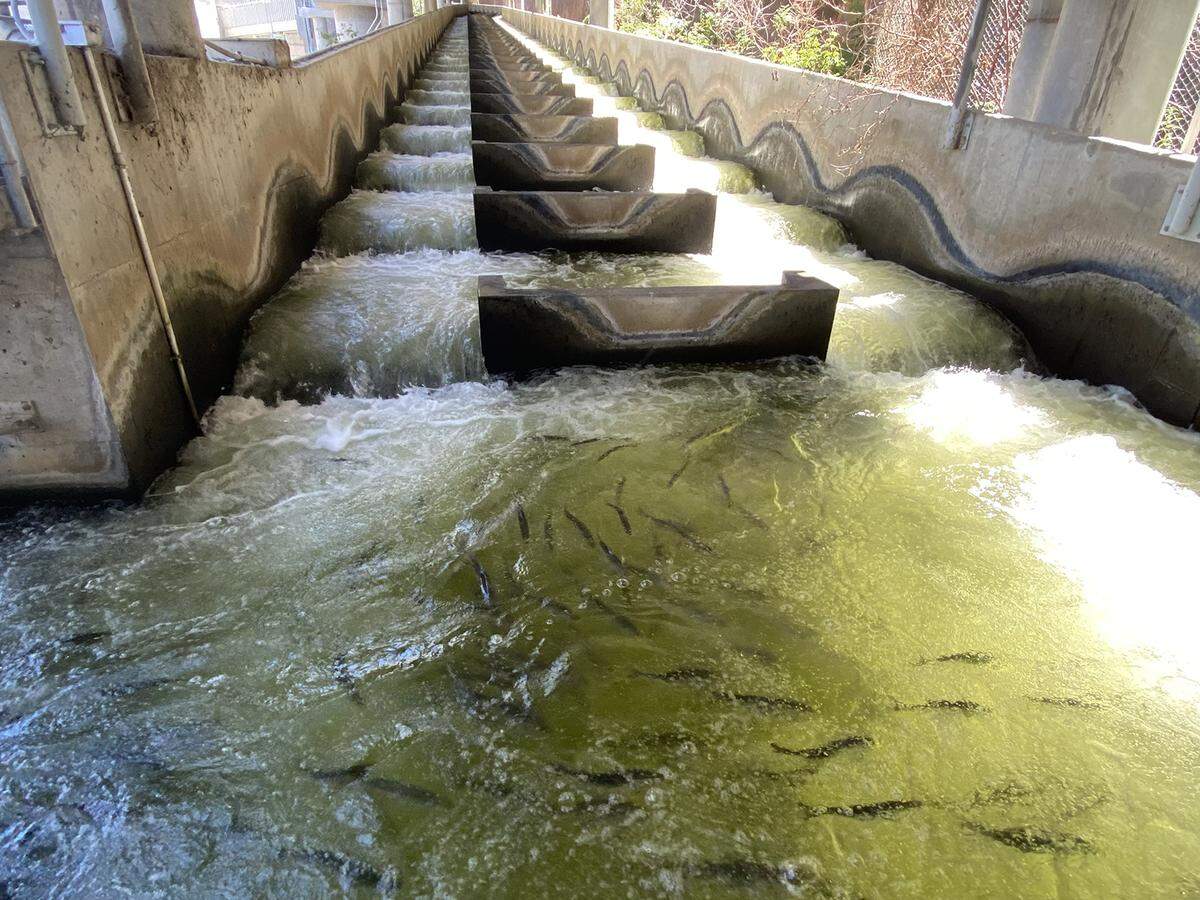
Do sudden blasts stun fish?
What happens to a fish’s lateral line sense when they unnaturally experience sudden, very intense underwater vibrations?
Does the sudden, low-frequency roar from turning turbines temporarily ‘blind’ our smolt’s lateral lines, and temporarily stun them? Once thoroughly rattled, do they become easy prey?
In 2014, the Corps of Engineers documented underwater sound levels averaging over 114 decibels, where measured near two turbine intakes at Ice Harbor, during high flow conditions.
Long term exposure to sound levels greater than 85 decibels has been demonstrated to permanently harm human hearing. 115 decibels have a thousand times more force.
Studies, examining intense sound and delayed predatory responses, appear to not exist.
Common sense tells us that if we suddenly slam a fish’s lateral lines with very powerful sound, their ability to sense nearby movement will weaken, at least for a while. The louder, or longer they are pounded, the more likely they are to become easy prey.
Why else are Pike Minnows, Smallmouth Bass, and other predators known to concentrate immediately below spillways?
Chasing their $5 Bonneville bounty, I have fished for ‘Squawfish’ in the wash below a dam. I have been privileged to tour inside a ‘thunder dome’ hydro-electric turbine gallery. I am not alone with my pounding/predator suspicions.
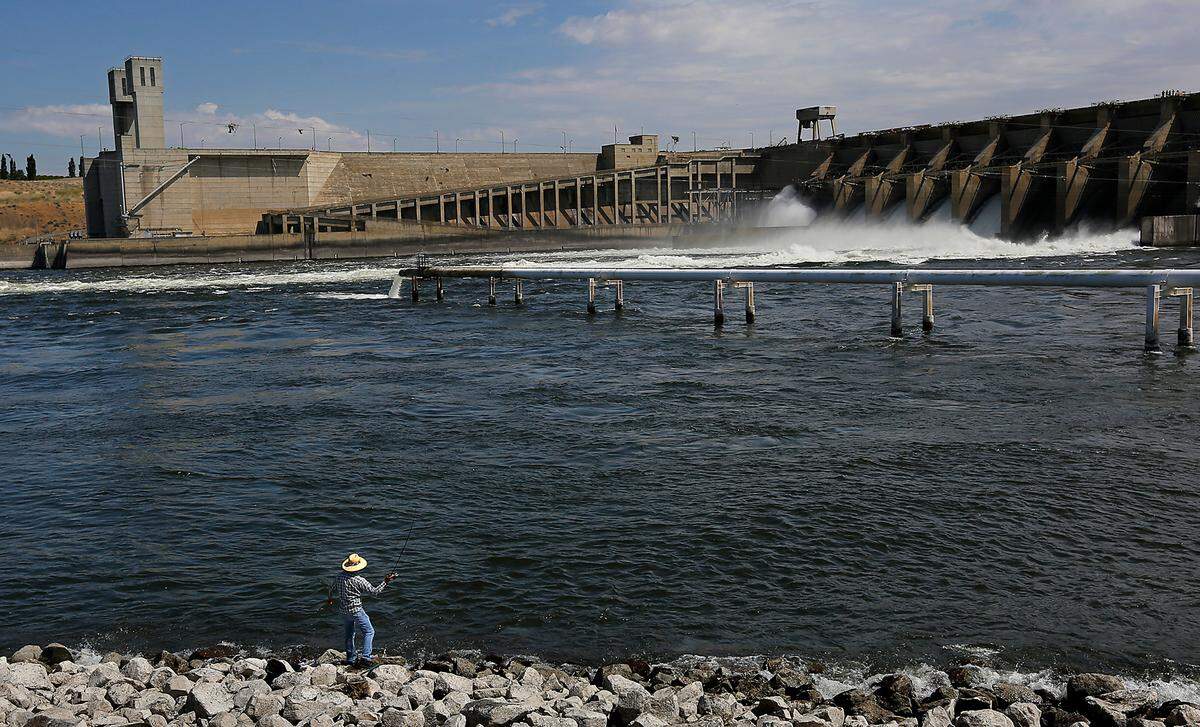
Instead of tearing dams out to restore salmon, why don’t we first try making their passageways quieter?
Respecting fish’s lateral lines needs to be part of the salmon recovery discussion. However, more studies are not needed to begin noise reduction. It is time to make quieter fish passage through dams a high priority.
We will know our dam quieting mission has been accomplished; when the concentration of predators returns to normal.