
It’s time Tri-City school districts admit systemic racism exists | Opinion
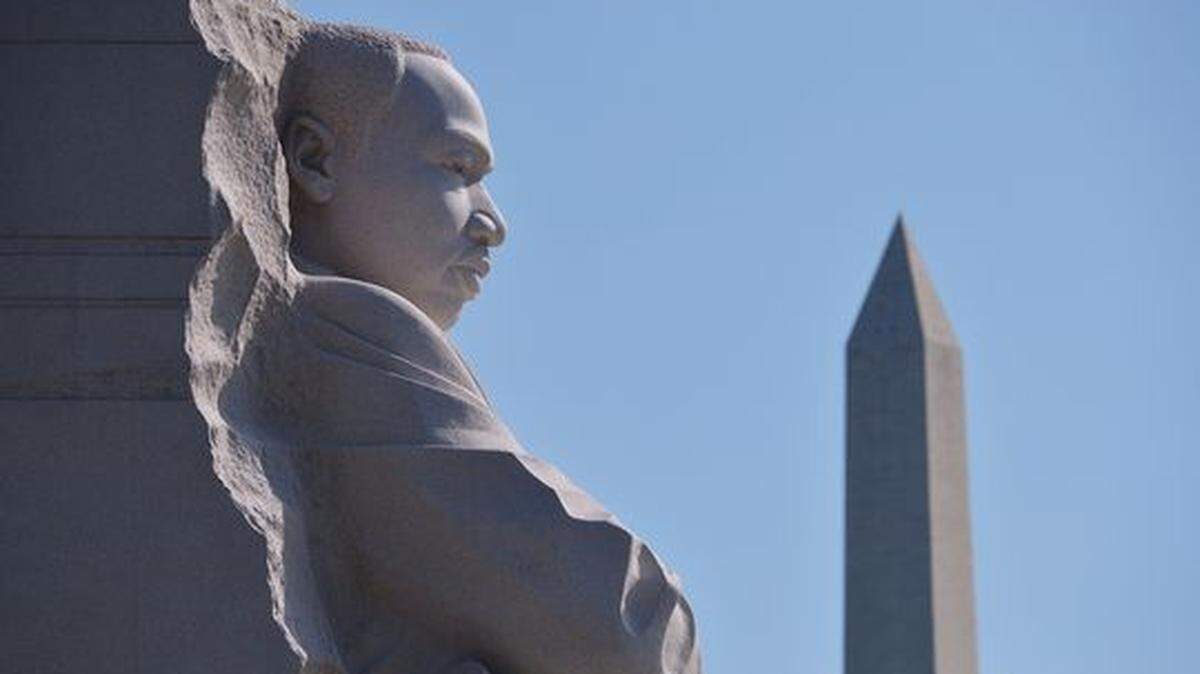
February is Black History Month. Considering recently enacted policies, it’s likely that members of the Richland and Kennewick school boards will ignore this opportunity to think about the plight of African Americans across our history. These school boards would prefer that only a White-curated Black History be taught to students, and certainly not Critical Race Theory (CRT). Why? Because they consider learning the facts about America’s past enslavement of Black people and continuing systemic racism to be anti-White, divisive, and just plain uncomfortable.
The recently elected school boards met late last year to debate revisions to policy, and each published revised policies that are essentially identical. Their intent is to preclude students from being “indoctrinated in the belief that the U.S. is fundamentally or systemically racist.” Furthermore, students are not to be taught “that members of any race are inherently racist, oppressors, or victims.” Since, as the Tri-City Herald Editorial Board pointed out over a year and half ago, CRT is not being taught in Washington Schools, a restriction on teaching it was not included in the revised policies.
Now I’m proud to be an American. I’m proud of what America has achieved. I’m proud to have served 20 years in the U.S. Air Force. But I have seen what can only be described as structural and systemic racism in the U.S. I’m in my 80s and I remember that in the 1960s, most African-American students were educated in wholly segregated, under-funded schools and were excluded from many higher education institutions entirely. I remember watching a news telecast showing Democratic Gov. George Wallace standing in front of the entrance of the University of Alabama, blocking the path of black students. That incident marked a flip-flop on civil rights and racial equality between the Republican and Democratic parties.
Some readers are old enough to remember the terrifying beating of Rodney King by Los Angeles police in 1991 and the ensuing riots in 1992. I certainly do; it happened in the neighborhood where my parents lived. Younger readers know of more contemporary incidents such as the 2020 murder of George Floyd by a Minneapolis police officer, and this year’s brutal murder of Tyree Nichols by Memphis police officers, and so many other racially-charged acts of violence that have brought horror and despair to our citizenry.
While not wanting to perpetually relive these horrors, we can, by confronting this history, learn and grow. We can come to understand how components of racism are interconnected: If you deny a Black person a quality education, you negatively impact their employment opportunity, degrade their health care, confine them to renting in low quality housing, expose them to criminal elements, perpetuate racial disparities in law enforcement, and then “red line” them from neighborhoods with good schools. It’s a miracle Blacks have come as far as they have. That advancement should be celebrated, not hidden.
As George Santayana cautioned us in his 1905 work, The Life of Reason, “Those who cannot remember the past are condemned to repeat it.” Teaching Black history is a reason for all of us, including Whites, to be proud. Because pride in achievement leads to further efforts to improve. Let’s do that. Let’s improve.