
Natural disasters and COVID pandemic will be discussed at the Columbia Basin Badger Club
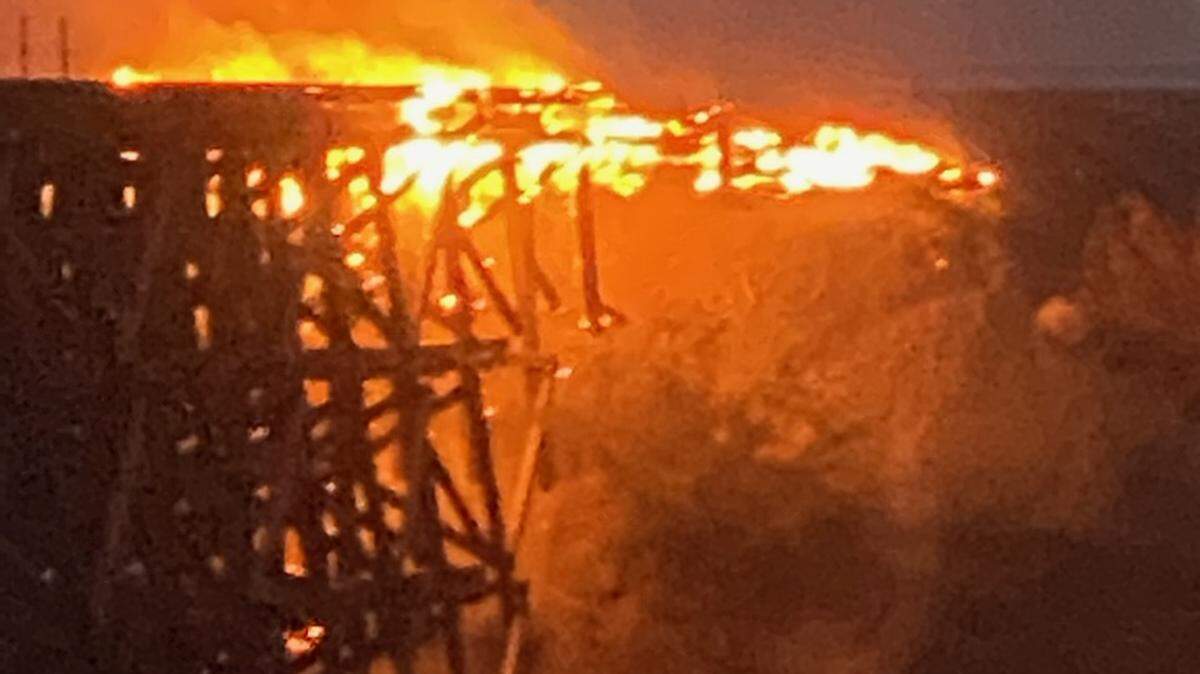
How is a volcanic eruption like a hurricane? Or a wildfire? Or, for that matter, like a global pandemic? Can human behavior be predicted in the face of such disasters?
Those are the questions the Columbia Basin Badger Club will explore Nov. 18 with Dr. Kira Mauseth, a clinical psychologist who serves as a co-lead for the Behavioral Health Strike Team for the Washington State Department of Health.
“We are all impacted by disasters throughout the course of our lifetime,” said Mauseth, “and now collectively we are experiencing the largest widespread natural disaster in living memory.”
The Badger Club’s online forum “Anatomy of a Disaster” will explore the human response to such large-scale events — the typical phases, common reactions, struggles and outcomes. Dr. Mauseth will discuss the neuroscience behind our motivations and behaviors during a disaster, and how the way our brains respond can influence our experience as well as promote recovery and resilience.
In some ways it’s difficult to compare the Covid-19 pandemic to a hurricane, flood, or tornado. Those happen and generally end within a day or two. It takes months, if not years, to recover once it’s over, but it is predictably over. The physical toll of those events is reasonably well understood — property will be wrecked, lives will be upended and there may well be loss of life. Those are understood consequences of natural disasters.
Not so with a global pandemic. It’s hard to claim a hurricane, earthquake or wildfire didn’t happen. But, as we’ve seen, it’s much easier to claim that a deadly virus originating halfway around the world isn’t really a threat.
Was the initial reaction of former president Trump and many other leaders to label the pandemic as “fake” a predictable human response? Many elected officials, especially in Eastern Washington, also balked at recommendations that everyone wear masks and practice social distancing. Many didn’t just ignore the advice of national, state, and local health experts but also engaged in very public acts of defiance. How are we to come to terms with this?
Mauseth is a practicing clinical psychologist who sees patients at Snohomish Psychology Associates, teaches as a senior instructor at Seattle University, and serves on the Behavioral Health Strike Team for the Washington State Department of Health. She also serves on the state’s Disaster Medical Advisory Committee.
Her work and research are focused on resilience and recovery from trauma and disaster behavioral health. She has worked abroad extensively in disaster response and with first responders and health care workers throughout the United States. Mauseth also conducts training and provides presentations to organizations and educational groups about disaster preparedness and resilience building within communities.
The Badger Club forum “Anatomy of a Disaster” on Nov. 18 begins at noon and is sponsored by The Benton-Franklin
The Badger Club forum “Anatomy of a Disaster” on Nov. 18 begins at noon and is sponsored by The Benton-Franklin Community Health Alliance. The hourlong online forum includes a Q&A with questions submitted by the audience. Table Talk follows, giving audience members a chance to talk directly with Mauseth in a half-hour, open-mic conversation. There is no charge for Badger Club members. Non-members pay $5. Register at www.columbiabasinbadgers.com.