
‘Urban sprawl.’ ‘Ridgeline development.’ Is the Tri-Cities growing as if the future matters? | Guest Opinion
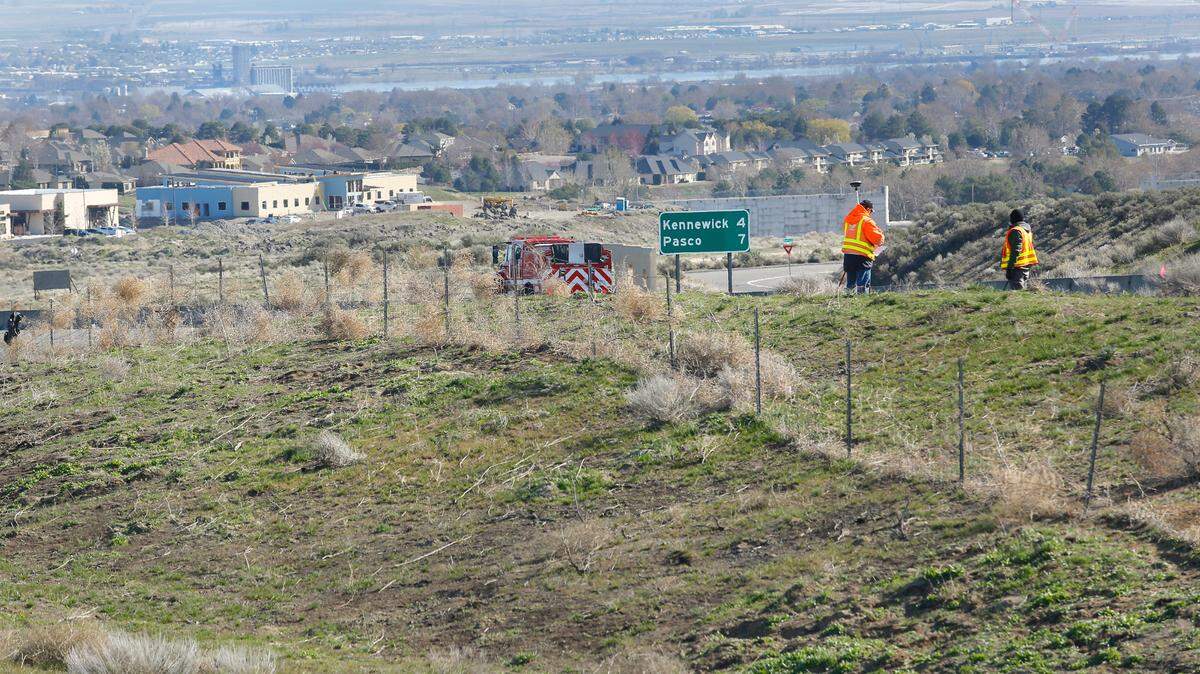
Since 2000, the Tri-Cities has been among the fastest growing areas in Washington state, and Benton and Franklin counties are now home to about 300,000 people.
Even during the pandemic, we have seen subdivisions and strip malls pop up like daffodils in the spring as what is now four cities have sprawled onto what in many cases used to be agricultural land.
Developers clamor for more land, while at the same time others question the urban sprawl and development on our ridgelines.
Have we been “smart” about how we’re handling this growth?
The Columbia Basin Badger Club will explore the issue at its May 6 online forum titled, “Is the Tri-Cities Growing as if the Future Matters?”
Should Tri-City politicians and planners be looking more closely at “smart growth” policies?
Smart growth is an urban planning theory that believes urban growth should be concentrated in compact, walkable centers to avoid urban sprawl and poor land use.
It promotes compact, transit-oriented, walkable, bicycle-friendly development, including neighborhood schools, complete streets with curbs and sidewalks, socially diverse neighborhoods, parks and mixed-use economic development and a range of housing choices.
Opponents of these policies argue smart growth practices really have little impact on actual growth patterns. Some believe such growth regulations obstruct individual property rights, while others just generally favor a more open, less urban living and working environment.
So, should we adopt smart growth policies or embrace market forces and let them take us where they will? Or should we choose not to grow at all to maintain our current mix of rural and semi-urban lifestyles?
Jim Wise, president of Sustainable Tri-Cities, argues that the way we have been growing is energy-intensive, relies too much on cars, and is inequitable to minority populations.
He says smart growth development concepts actually return us to the way that cities grew for centuries, around neighborhood centers, with active transport and human scale development.
Wise contends smart growth is also about “Future Proofing.”
This concept guides us to grow and develop so we meet demands of the future that we already can see coming our way like climate change and major in-migration to our region.
Jeff Losey, director of the Tri-Cities Homebuilders Association, says his organization supports comprehensive land-use planning that clearly identifies land and provides infrastructure for residential, commercial, recreational and industrial uses.
He says the HBA also supports land use that provides for meaningful open space, respects environmentally sensitive areas and supports a regional transportation system based on current and proposed land use patterns.
But Losey said the association also opposes urban growth boundaries, which restrict the amount of developable land and which he believes contribute to increased housing prices and leapfrog development.
Register for this event at columbiabasinbadgers.com to receive a confirmation and link to complete registration on Zoom. Cost is $5 for nonmembers, while club members can watch for free.