
Forestry, not climate policy, needed to prevent wildfires | Guest Opinion
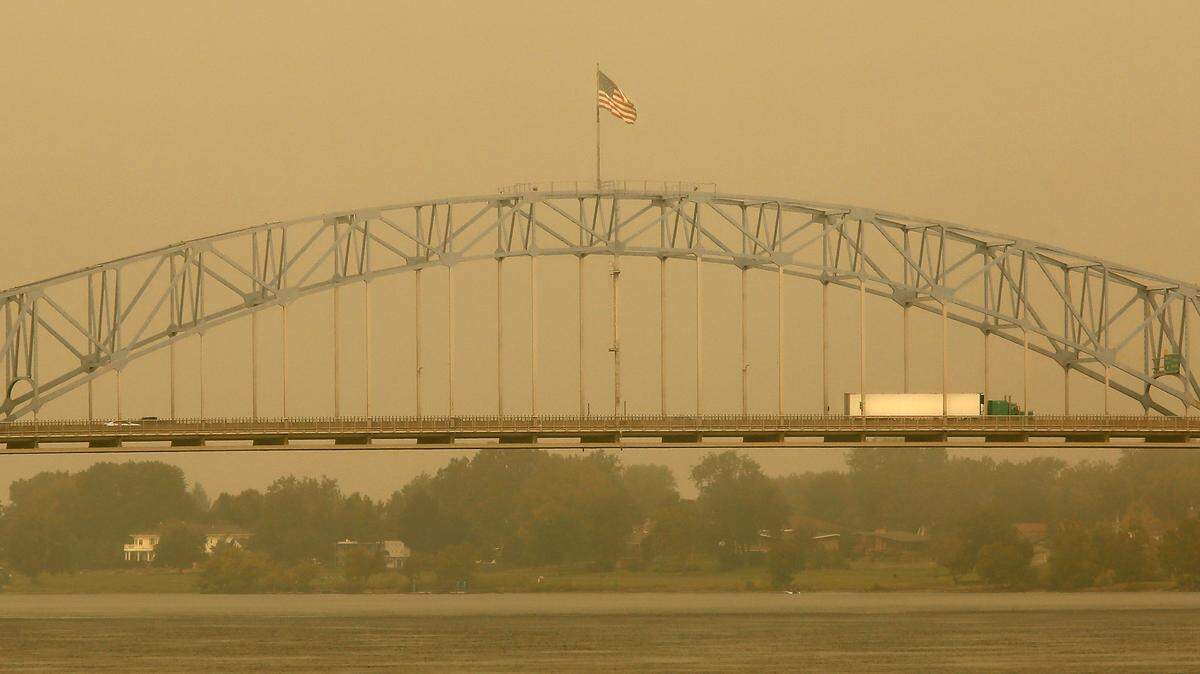
Smoke from forest fires filled the air in Western Washington and immediately the finger of blame was pointed at climate change. Prior to the recent fires, the 2020 fire season had been extremely quiet. No matter how the season ends, however, blaming climate change is politics, not science.
Not all the lands burned in the last week are forests, but forestland is a major source of the smoke we are seeing. Across the west, three times as many acres of forestland have burned as grassland.
The state Department of Natural Resources notes that, “We have a forest health crisis in our state. And because of our forest health crisis, we are seeing more catastrophic wildfires.” There is a lot of work to be done in our forests to get them to the point where they are fire resistant. The science is quite clear that timber harvests are necessary to reduce the number of fire-prone, unhealthy forests.
Seven years ago, state elected officials set a goal to “increase the average annual statewide treatment of forested lands for forest health and fire reduction from 145,000 to 200,000 acres by 2017.” How did the state do? We don’t know, because the goal was removed from Results Washington — the agency that tracks promises by state leadership — when it was when it was clear the target would be missed.
In September 2016, DNR confirmed it was not on target to administer the desired forest health treatments in Eastern Washington. And, in a press conference this week it was revealed that Washington treated only 60,000 acres last year — far short of the 200,000 acre goal.
Today, Results Washington lists no forest health goals, but says, “Washington is working to restore forests and enhance forest resiliency to severe wildfires, drought, and insect and disease outbreaks.”
No single management strategy will address all fires. For timber-related fires, however, it is clear that poor forest health is playing a bigger role than climate change. Unfortunately, it is clear that dealing with unhealthy forests is not a priority.
Instead, many politicians point to climate change as the primary cause of the fires, focusing their efforts on climate policy.
A look at temperature and precipitation data show a poor correlation to the intensity of recent fire seasons. Using Yakima as a surrogate for temperatures in Eastern Washington, the average temperature this summer is just over 72 degrees. Each of the last two years saw average temperatures of just over 71 degrees. In 2017, however, the average temperature was over 75 degrees.
The largest number of acres burned in the past five years was in 2018, when temperatures in Eastern Washington were cooler than this year. By way of contrast, 2017 was an extremely quiet fire year, but average temperature was 3 degrees warmer than the busy 2018 fire season.
Additionally, 2014 was an extremely bad fire year, but average summer temperatures were lower than the very quiet year of 2017. Precipitation was also very similar.
Pointing to temperatures and even precipitation obviously doesn’t tell the whole story. Nor is it a useful surrogate for fire activity.
While blaming climate change is a useful political ploy, it distracts from a policy approach that can actually reduce catastrophic fire.
Even if the United States meets the most aggressive climate targets, the total impact on global temperatures would be a fraction of a degree by 2100. Given that temperatures can vary from summer to summer by several degrees, the most aggressive climate policy will do nothing to stop the fires.
Todd Myers is the Environmental Director for the Washington Policy Center.
This story was originally published September 18, 2020 at 2:20 PM with the headline "Forestry, not climate policy, needed to prevent wildfires | Guest Opinion."