
Pasco’s library annexation is really a city tax increase | Editorial
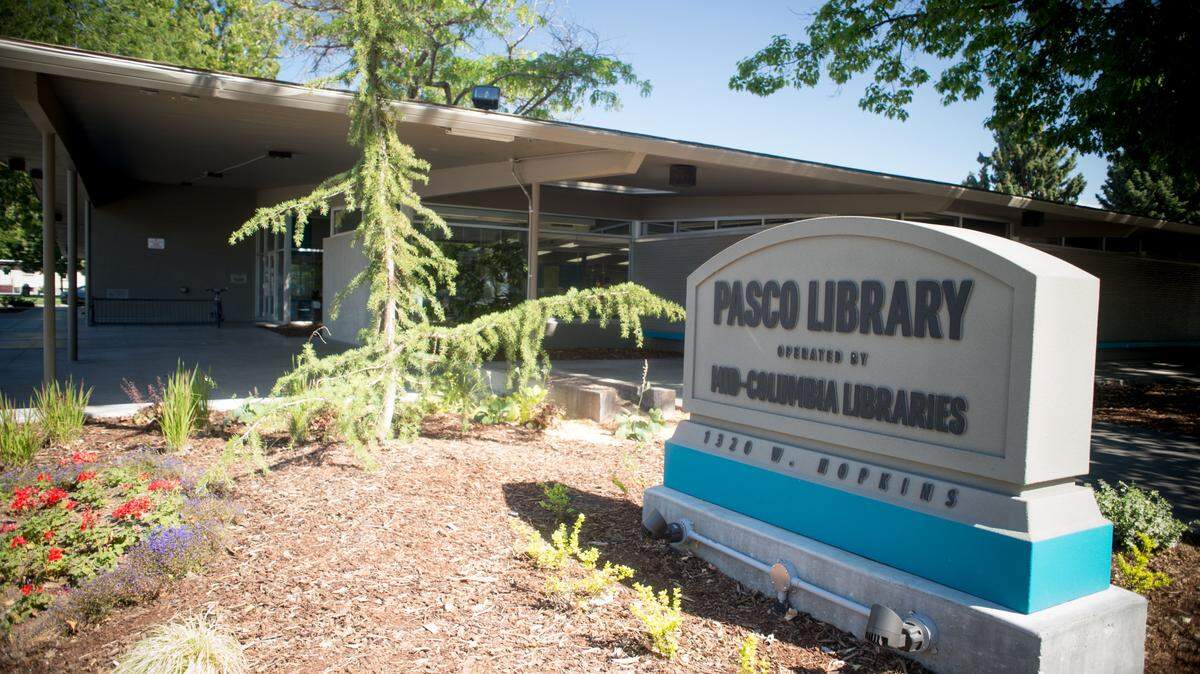
Proposition 1 on the Feb. 10 ballot in Pasco asks voters whether they wish to be annexed into the Mid-Columbia Library District. As presented, that is a more complicated question than it appears.
Library patrons might be surprised to learn that the city is not part of the library district. After all, they visit Mid-Columbia libraries and check out books using Mid-Columbia library cards.
They can use library services because the city of Pasco has contracted with the library on behalf of its residents for more than 50 years. This year, the city will pay about $2.8 million to Mid-Columbia Libraries.
That contractual model has always been an unusual arrangement. People in most other communities just pay property taxes directly to the district. Pasco is the largest city the district serves that funnels funding through another government first.
Annexation would cut out the middleman. Pasco property owners would pay the library district directly. Officials estimate that the rate will be $0.23 per $1,000 of assessed value starting in 2027. That works out to $92 per year for the owner of a $400,000 home, or less than the price of one audiobook per month.
Mid-Columbia Libraries would likely collect a little more than it gets now from Pasco, but it would not be a windfall.
Streamlined financing is not the only benefit of annexation. As members of the library district, residents would have a voice in district decisions.
“Once voters are annexed in, they would be able to vote on certain ballot initiatives and library measures. So they would actually gain a little bit more direct say in the future of library services in Pasco and for Mid-Columbia Libraries,” said Carlos Orozco, the library’s associate director for communications, in a promotional video for the measure.
If that were all there was to it, a “Yes” vote on this measure would be easy, but Proposition 1 involves a less-obvious trade-off.
Part of the reason the city wants to do away with the contract is to free up the $2.8 million it now pays the library district. That would help the city balance its budget while paying for public safety, road maintenance and everything else the city’s general fund covers.
“Strategically, this will assist us in bridging that deficit gap and utilizing those general fund dollars for other stuff that we need to pay for, so I’m in total support of this,” said Councilmember Leo Perales during a council discussion about the measure in October.
Pasco is looking at dipping into reserves for $8 million to $9 million.
In effect, this is a backdoor tax increase for the city, not more money for Mid-Columbia Libraries. The library basically breaks even, even though taxpayers are paying more.
Pasco is not hiding this fact, but it also is not advertising it. The official explanatory statement for the measure obfuscates the issue. It states, “The maximum real property tax levy that can be authorized by the City will be reduced by the amount of real property tax levied by the Library District.”
That makes it sound like the city will cut its taxes, but because Pasco does not tax at its maximum allowed amount, reducing the cap will not affect the tax rate. Taxpayers will continue to pay the same rate to the city.
Two issues are entangled in one measure. It would have been much cleaner if the city council had let voters decide them separately. One measure could have covered annexation. A second could have given voters the choice of letting the city keep the money or lowering city taxes so that property tax bills remained flat.
There is certainly a case to be made that Pasco needs the money, but it should ask for it openly, not sneak it through a library annexation.
We think annexation into the Mid-Columbia Library District makes sense. The real question on Feb. 10 is whether voters also want to give the city a $2.8 million budget boost.
Those who do should vote “Yes.” Those who do not should vote “No” and urge the city council to return with a tax-neutral proposal.