
The Tri-Cities’ flu surge shows why vaccines matter | Opinion
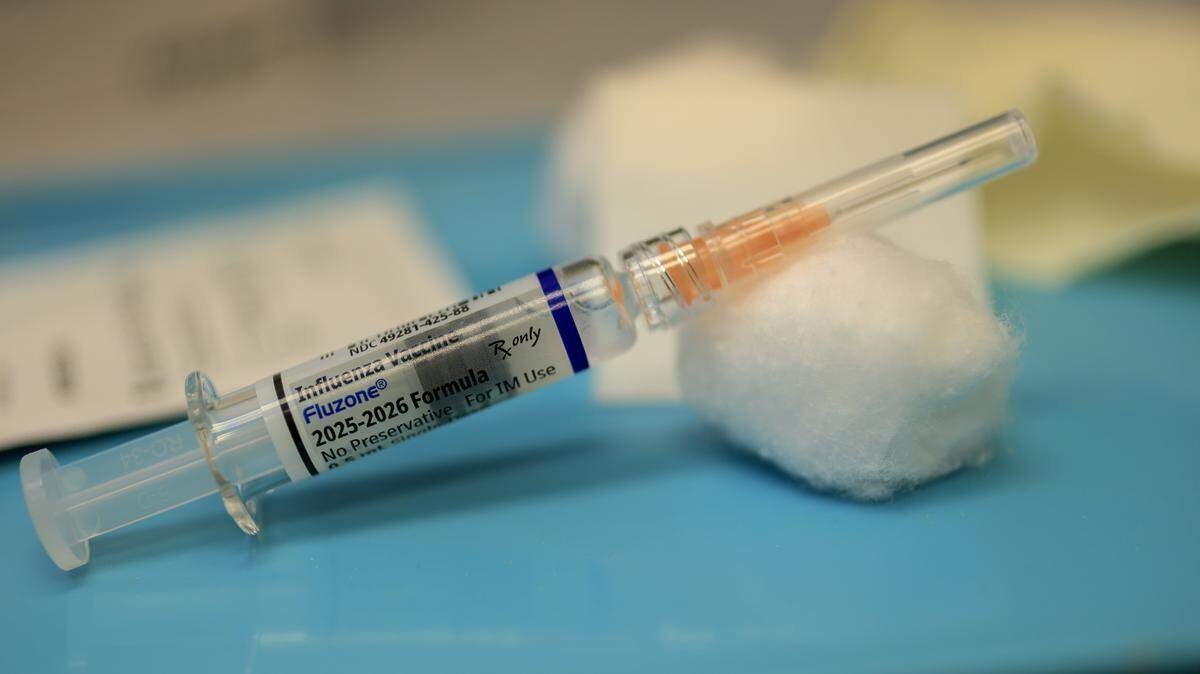
Influenza is surging in the Tri-Cities. Infection rates are running ahead of last year’s high numbers. That is not surprising given that so many Tri-Citians have declined the easy, common-sense protection of a flu shot.
Meanwhile, the Trump administration’s decision to scale back support for a half-dozen childhood vaccines can only make matters worse.
Central Washington has the highest influenza infection rates in the state. In Benton and Franklin counties, about 8% of people who visit an emergency room have the flu. That is more than double the statewide rate of 3.5%. It also exceeds last year’s highest rate of 7.5%.
Typically, the flu season peaks in late January or early February. That leaves plenty of time for the virus to spread and push rates even higher.
It could have an easy time of it, too, because vaccination rates are down this year. Only 18.2% of eligible Benton County residents and 13.7% of eligible Franklin County residents have received a flu shot this year. Those fall short of the statewide rate, which itself is worse than this time last year.
That low level of adoption is woefully inadequate to curb the spread of the flu. This season’s vaccine is not a perfect match for the dominant strain of the virus going around, but it will boost the immune system. That reduces the likelihood of severe illness, hospitalization and death.
Vaccination is about more than personal health, too. Protecting oneself also is a shield for loved ones, especially vulnerable older family members, infants and friends with compromised immune systems. If you do not get sick, you cannot spread a virus to someone you care about.
Unfortunately, at a time when public health officials should be encouraging vaccination, the federal government is moving in the opposite direction. The Centers for Disease Control and Prevention’s (CDC) recent decision to stop recommending a half-dozen childhood vaccines is both baffling and dangerous. The CDC is part of the U.S. Department of Health and Human Services, overseen by Secretary Robert F. Kennedy Jr.
Weakening vaccine standards that have stood for decades undermines public trust in vaccines more broadly. That is probably the goal of the notoriously vaccine-skeptical Kennedy, but it will be catastrophic for children and adults who contract preventable diseases.
The CDC reduced the number of universally recommended childhood vaccines from 17 to 11, reclassifying them for high-risk patients in consultation with health care providers. Among the vaccines affected are those to prevent respiratory syncytial virus (RSV), hepatitis, meningitis, the flu and COVID-19.
“This decision did not follow established procedure for vaccine policy recommendations and threatens an increase in vaccine-preventable diseases in children nationwide,” the Washington Department of Health warned. “Children getting sick from the diseases prevented by recommended immunizations leads to missed school for children, missed work for parents, and even hospitalization and death in some children.”
Washington is part of the West Coast Health Alliance, which will continue to follow the American Academy of Pediatrics’ recommendations that children receive the full list of vaccinations. Doctors should proactively advise families accordingly. Insurers will continue to pay for vaccines, despite the federal changes.
Health researchers in Washington have been at the forefront of promoting sensible policies to improve vaccine coverage. A comprehensive 2023 study from the University of Washington Population Health Initiative examined childhood vaccination equity across three states, including Washington. It offered practical recommendations for improving coverage while addressing racial and socioeconomic disparities.
Rather than stoking irrational skepticism about vaccines, Kennedy and HHS would do well to review the Washington report. For example, it encourages partnerships between schools, churches and community organizations to build trust and increase vaccination rates, especially among historically underserved populations. That could boost vaccine adoption and help protect the entire community.
Vaccines are the most effective defense against diseases that decades ago caused widespread suffering and death. It is not too late for you and your children to roll up your sleeves.