
Messing with vote-by-mail won’t solve Bird’s election woes. It’s bad for WA | Editorial
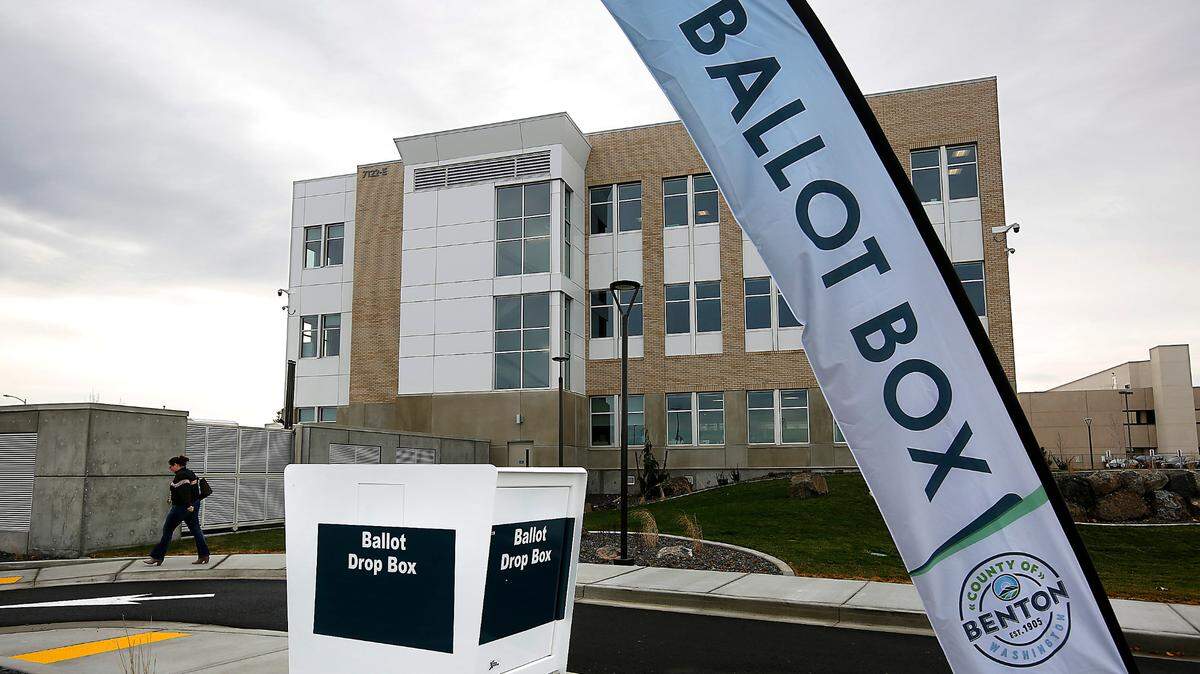
Semi Bird’s vainglorious run at statewide relevance crashed and burned in the August primary election. Now the former Republican gubernatorial candidate from Richland wants to make it harder for Washingtonians to vote.
Washington has had vote-by-mail for more than a decade. It’s wildly successful. We haven’t seen any polling, but we’ll hazard a guess that it’s also wildly popular, too. What’s not to like?
Voting by mail makes it far easier for people to participate in their democracy than the old system of polling places and occasional absentee ballots.
People have jobs, parental responsibilities, travel, disabilities and other things that can keep them from the polls. Vote-by-mail allows them to vote when and where it fits in their schedule.
Voters can sit at the kitchen table with the Voters’ Guide in hand and access to candidates’ websites as they weigh their options. That’s especially helpful when it comes to smaller races that don’t get a lot of attention and the bevy of state and local ballot measures that come up all the time.
The proof that it helps is in the turnout.
Before vote-by-mail, about 75% of registered voters cast a ballot in a typical presidential general election. That rate has trended up a few points to exceed 80% under vote-by-mail. Turnout rates increased even more in off-year elections. More people participate, so electoral outcomes better reflect the will of Washingtonians.
Voting by mail is secure, too. Voters must sign the envelope containing their ballots, and election officials verify those signatures against signatures on record.
Incidents of fraud are exceedingly rare. It’s also nice to have an actual paper trail of ballots in cases of close elections that go to a recount. Accusations in other states that voting machines are rigged or hacked don’t fly here.
And if someone doesn’t want to vote by mail, there’s always an in-person option.
Every county opens an accessible voting center for more than two weeks before an election. It’s open during business hours and until 8 p.m. on Election Day for people who still want that on-the-day experience of going to a polling place and standing in line.
Bird wants to get rid of all that. Now that voters have rejected him, he says he wants to mount an initiative campaign to end vote-by-mail.
In some regards, it’s hard to get too worked up about his plans.
People seem to like voting by mail, so we’d be surprised if a ballot measure passed. Besides, it’s not like Bird has a great electoral record. Before he received only 11% of the vote in the gubernatorial primary, voters ousted him from the Richland School Board in a recall election. He doesn’t have the Midas touch.
Even so, this sort of divisive measure would generate distrust in electoral systems, suppress turnout and inflame partisan divides.
A campaign against vote-by-mail almost certainly would be grounded in misinformation because there’s no honest arguments to mount against a successful system. Washington doesn’t need any of that.
If anything, the state should explore reforms that would further increase participation and encourage competitive elections that result in fewer strident partisans from either side winning.
If Bird has time on his hands these days and needs a project, he could start with taking down his campaign signs around the Tri-Cities and beyond.
It’s illegal to keep them up on public rights of way after an election, and he might even find it psychologically beneficial not to be reminded of his loss every time he drives by one.
Cleaning up that detritus would benefit Washington more than a half-baked campaign to end vote-by-mail.
This story was originally published August 24, 2024 at 5:00 AM.