
Tri-Cities was a ‘war zone’ this Fourth of July. Was it a dangerous experiment?
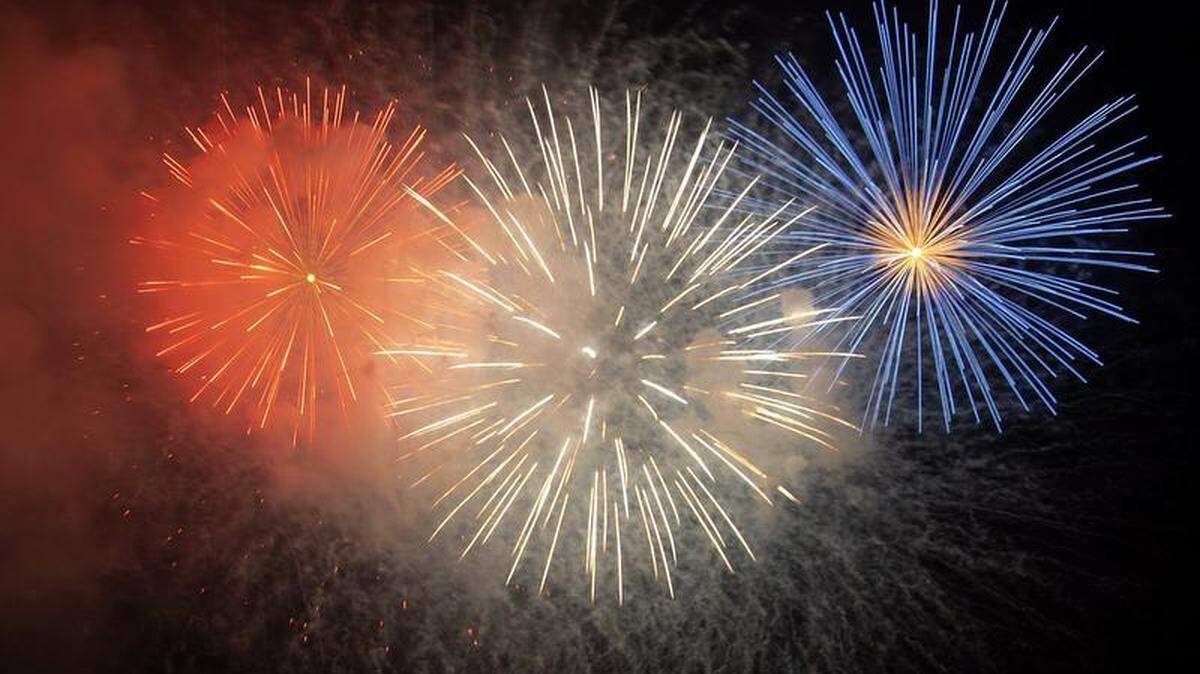
When it comes to allowing personal fireworks on the Fourth of July, our position has been the fewer the sparks flying around the Tri-Cities, the better.
Our climate is too hot and dry, and the risk of an out-of-control fire is too great.
But we understand why Pasco city officials decided this year to lift its 22-year ban on the “safe and sane” fireworks that residents can set off in their driveways.
Many believed the law banning all personal fireworks was too difficult to enforce.
Officials hoped that scrapping it would allow them to focus on people lighting the most illegal types – those that soar in the air and have the greatest risk of fire or injury.
It would have been great if the idea resulted in less chaos and less work for fire crews and police.
But that’s not what happened.
Instead, the entire Tri-City region was turned into a “war zone” the night of July 4, according to Pasco Fire Chief Bob Gear.
In Pasco, fire calls doubled and calls to police rose almost 37 percent during the holiday’s prime fireworks hours.
Gear said his crews responded to 42 fire calls. Typically the noise and chaos taper off around 11 p.m. on the holiday, but this year he said, “We were still going hard at 2 or 2:30 a.m.”
While lifting the ban obviously did not ease the job of fire crews and police, there is no conclusive evidence it made it worse.
Pasco Police Chief Bob Metzger told city council members that there were twice as many calls for illegal and aerial fireworks in Kennewick than in Pasco on July 4, and Kennewick bans all of them.
However, data showed that the number of general, fireworks-related calls to Pasco police jumped from 68 in 2016 and last year to 93 this year. Metzger noted those calls included questions about the new fireworks law.
In Kennewick, there were 90 fireworks-related calls in 2016, 87 in 2017 and 86 this year.
And in Richland – which, like Pasco, also allows certain personal fireworks – calls to police went from 61 in 2016 down to 58 in 2017. Then this year, up to 64.
Pasco officials have time to figure out how they want to proceed.
That’s because state law won’t let the city reinstate the ban until after next year’s Fourth of July.
It’s possible more police officers will be assigned to work on July 4 with the intent of ticketing more violators.
City officials also could impose a zero-tolerance policy, which means people who got off with a warning this year for lighting illegal fireworks wouldn’t be so lucky next year.
There does not appear to be an easy answer.
On one hand, the all-night booming bothers animals and people, and the potential for fires is high.
On the other, many families like having the chance to set off legal fireworks on their own.
Pasco’s experiment will continue next year, and we’ll be anxious to see if it succeeds in lowering the threat.
This story was originally published July 18, 2018 at 5:39 PM.