How cold, how snowy? Here’s what meteorologists predict for Tri-Cities fall and winter
This fall and winter in the Tri-Cities could be warmer and drier than usual as an El Niño strengthens, according to meteorologists.
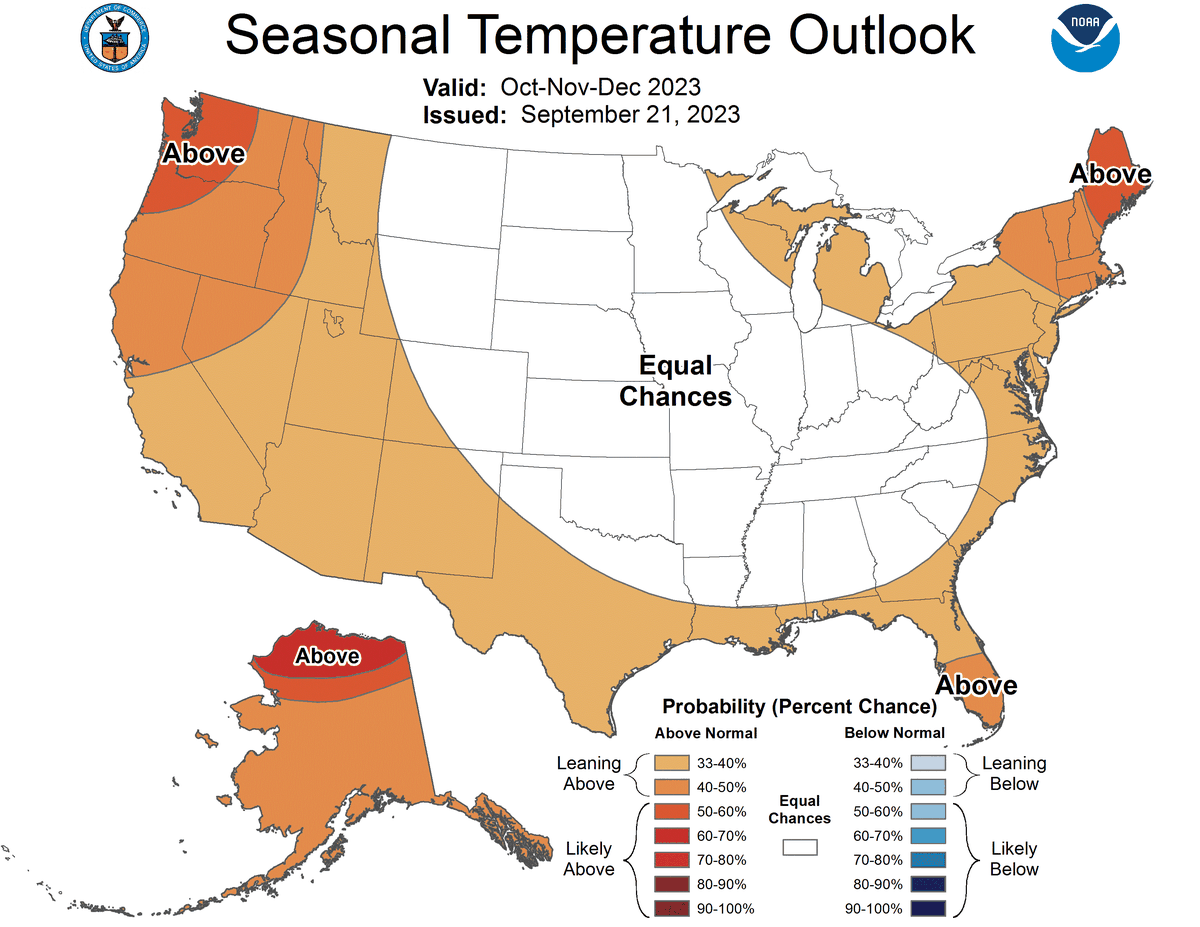
The National Weather Service outlook for October through December predicts a 40% to 60% probability of warmer than usual weather for the Tri-Cities.
Western and Central Washington, along with northern Alaska, Maine and northwest Oregon, are the places in the nation most likely to have a warmer than usual fall, according to the weather service outlook.
The Tri-Cities is just on the edge of the area with up to a 60% chance of warmer weather and the area with up to a 50% chance.
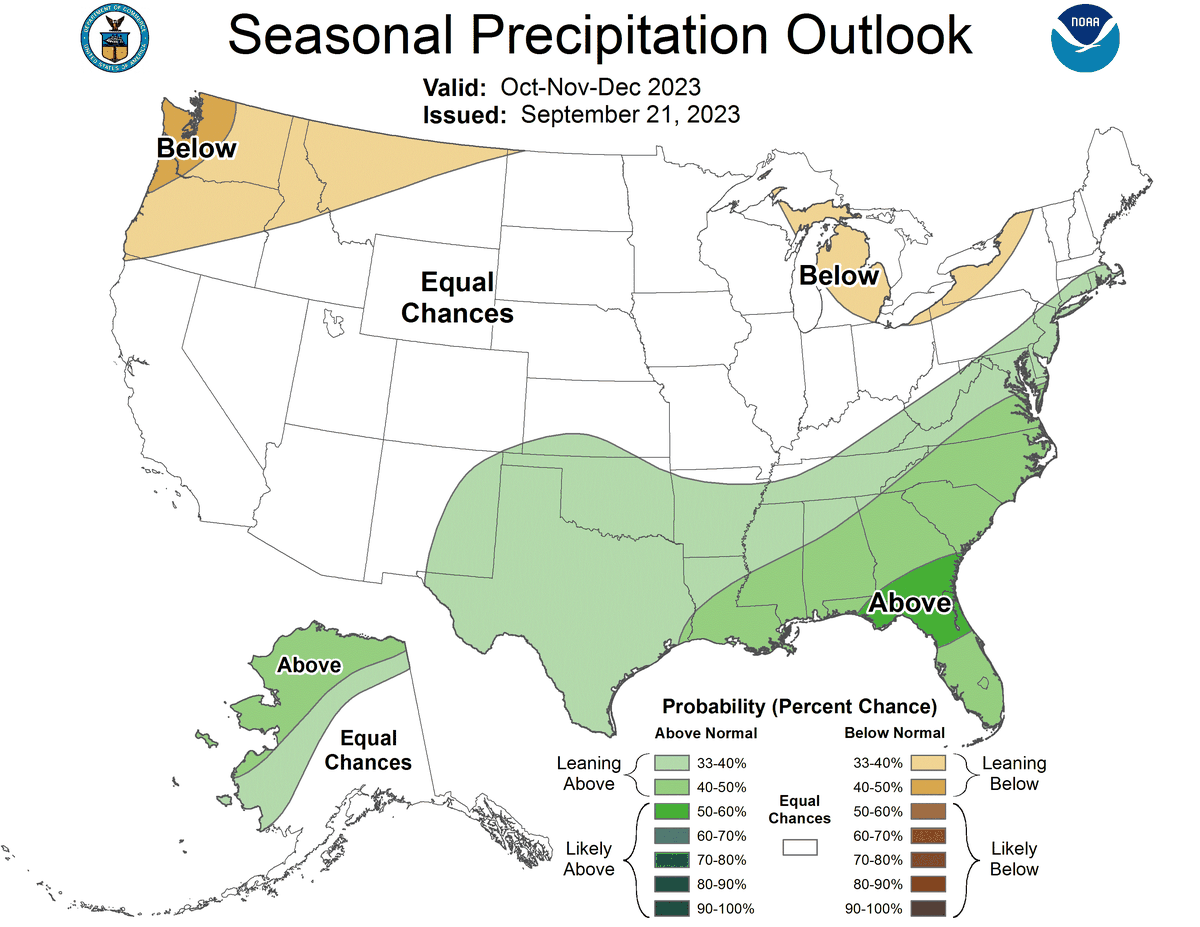
The probability of below normal precipitation is up to 40%. Western Washington is the only place in the nation with up to a 50% probability of less precipitation than normal.
AccuWeather predicts the warmer and drier trend for the Northwest will continue through the winter with temperatures in the Tri-Cities area 3 or more degrees higher than normal.
AccuWeather also predicts less snow than usual in the Tri-Cities area this winter
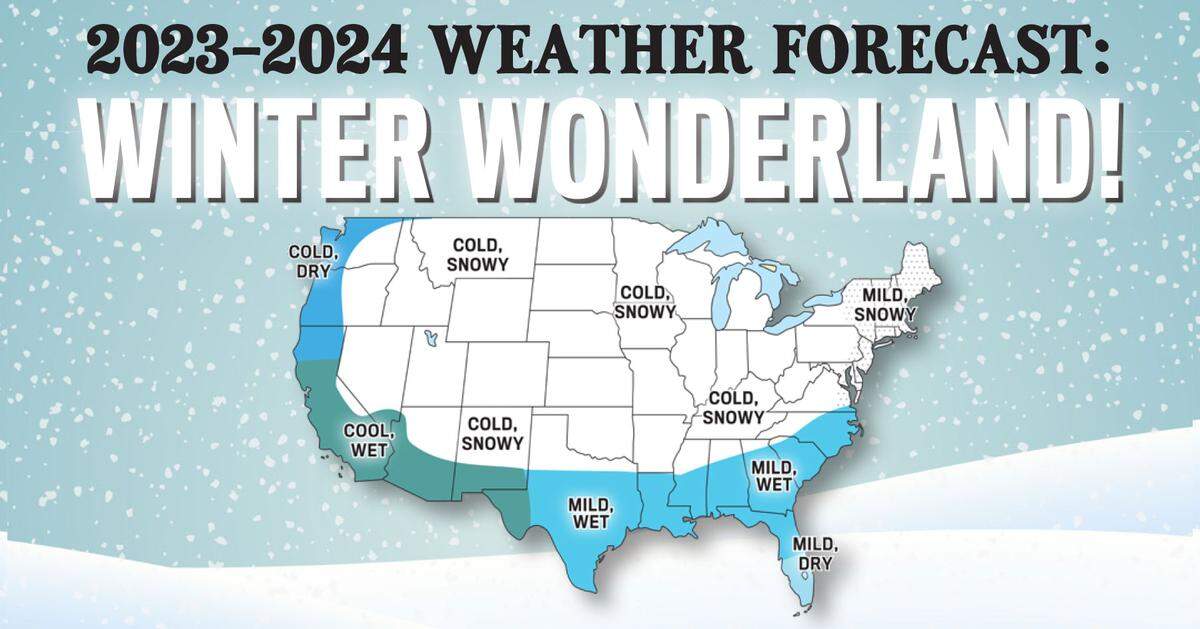
The outlook from meteorologists contradicts the 2024 Old Farmers’ Almanac prediction for a cold and snowy winter in the Tri-Cities area. The almanac uses a proprietary formula to make long-term weather predictions.
“El Niño is upon us,” said AccuWeather meteorologist Paul Pastelok. “It came on strong here in late summer, and it will continue to be strong and a dominating factor going into our winter forecast.”
El Niño, which has returned after three consecutive years of La Niña, is a natural climate phenomenon characterized by the presence of warmer than normal sea surface temperatures in the central and eastern tropical Pacific Ocean.
It is associated with the weakening of easterly trade winds and the movement of warm water from the western Pacific toward the western coast of the Americas.