
Update: Smoky air getting worse in Tri-Cities. Here’s how long it may last
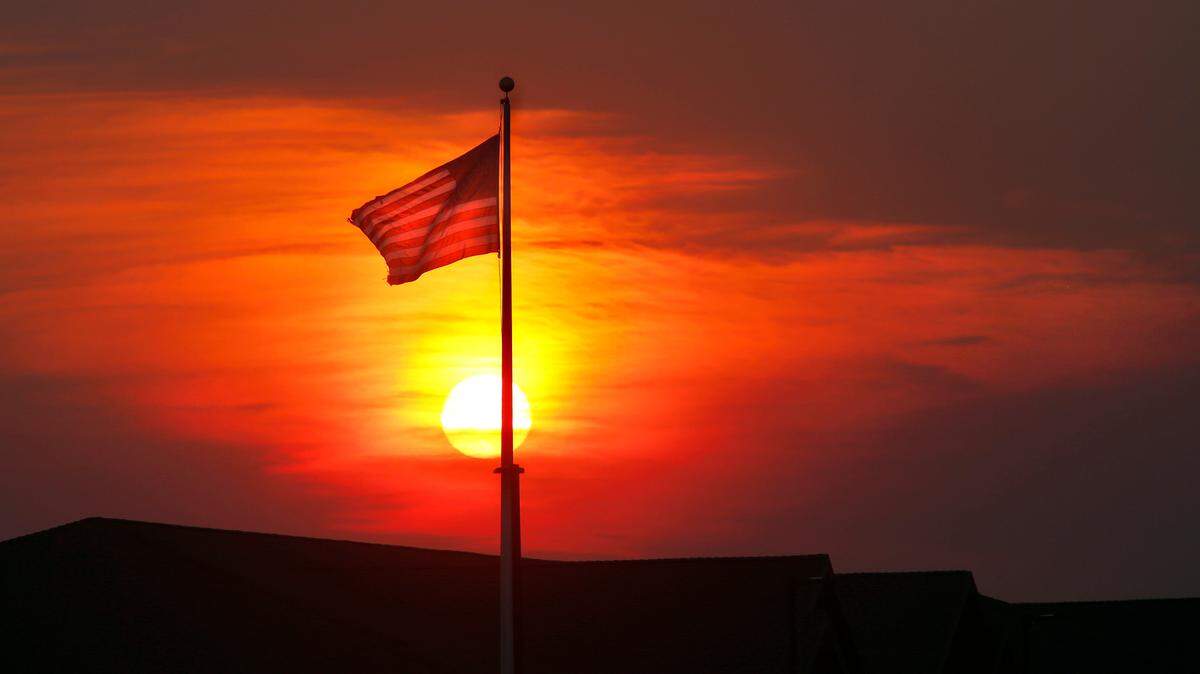
Update 12:30 p.m. Sept. 11
Air quality in the Tri-Cities deteriorated to levels unhealthy for all people around noon on Sunday.
Both smoke and ozone were at unhealthy levels before dropping down to levels unhealthy for sensitive populations Sunday afternoon.
---------------------------------------
The Tri-Cities can expect at least two more days of smoky air and possibly more.
The Washington state Department of Ecology reported that at times on Saturday the air in the Tri-Cities was considered unhealthy for sensitive people, both because of smoke and also ozone.
The smoke was settling into the Tri-Cities from fires burning around the region, including the Cascade Mountains of Washington, plus northeast Oregon and Idaho, according to the National Weather Service.
Smoke tends to pool in the Tri-Cities area because of its low elevation.
But some areas of Washington state had worse air quality this weekend.
Air quality was rated as unhealthy, not just for sensitive people but all people, on Saturday in the Seattle area due to wildfire smoke. Dayton and Pomeroy in southeast Washington had similar levels of smoke greater than in the Tri-Cities for much of Saturday.
Firefighters can expect no immediate help from rain, with dry weather in the Northwest forecast for the next five days.
Smoky and hazy skies are forecast for the Tri-Cities into Monday morning, according to the weather service.
But the Washington state Department of Ecology predicts smoky air to persist longer in the Mid-Columbia area, with air unhealthy for sensitive people at times through Wednesday.
Pollutants in smoke can cause burning eyes and runny noses and aggravate heart and lung disease, according to the Benton Clean Air Agency. It issued an air quality alert on Friday.
The agency recommended that everyone should limit time outside and avoid strenuous outdoor activities, but it is particularly important for people most sensitive to smoke.
Those most at risk of health impacts from smoky air include children, senior citizens, pregnant women, people who smoke, stroke survivors, people with colds and people with chronic health conditions such as asthma, diabetes and other heart and lung diseases.
This story was originally published September 11, 2022 at 5:00 AM.