When will it feel like summer in Tri-Cities? Here’s the heat, water and wildfire forecast
Tri-Cities residents who are eager for summery weather may have to be patient this year.
The weather so far this month has felt more like November than May in the Pacific Northwest, as AccuWeather described it.
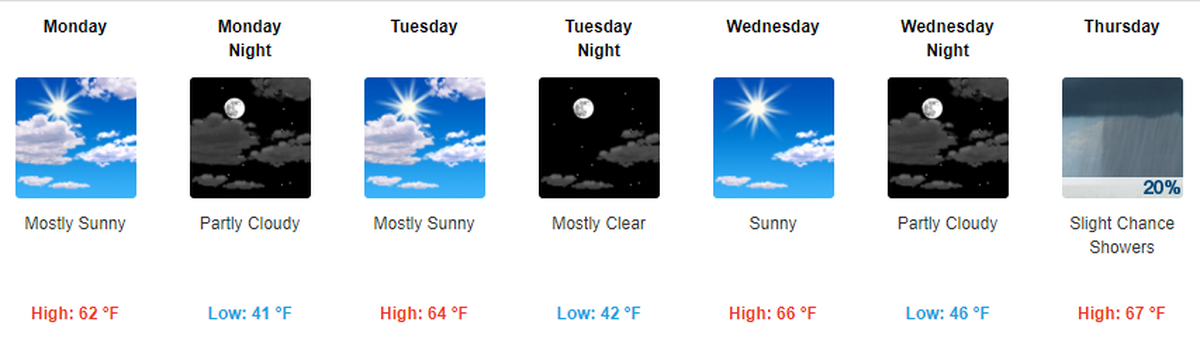
More cool weather is forecast for this week in the Tri-Cities, with highs in the low to mid 60s through Friday.
Normal average highs for May in the Tri-Cities are about 74 degrees, according to data from the National Weather Service.
The weather service’s Climate Prediction Center expects temperatures to average below normal across Washington state through at least the end of the month.
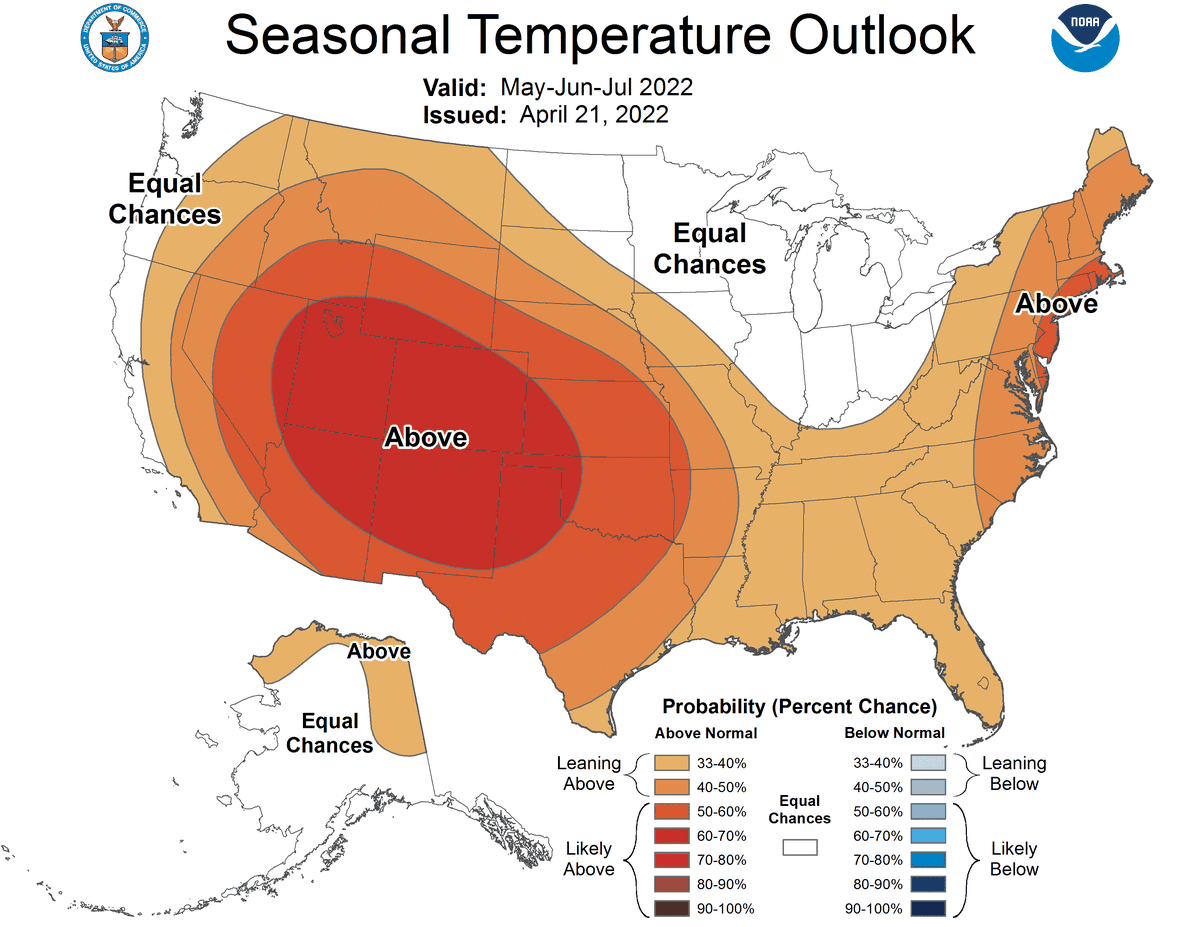
But as summer gets underway temperatures may average out at close to normal in the Tri-Cities area, with a slight chance of being a little above on average for May through July.
It’s a dramatic change from last summer when longtime heat records fell and a new all-time high record for the state of Washington of 120 degrees was recorded June 29 at the Hanford site north of Richland.
The weather likely will average drier than normal across Eastern Washington for the three month period through July, according to the Climate Prediction Center.
That’s despite a wet start to May.
At the Tri-Cities Airport in Pasco 0.47 inch of rain has been recorded so far this month, according to the weather service. The normal rainfall for the entire month of May is 0.71 inch.
Tri-Cities still in drought
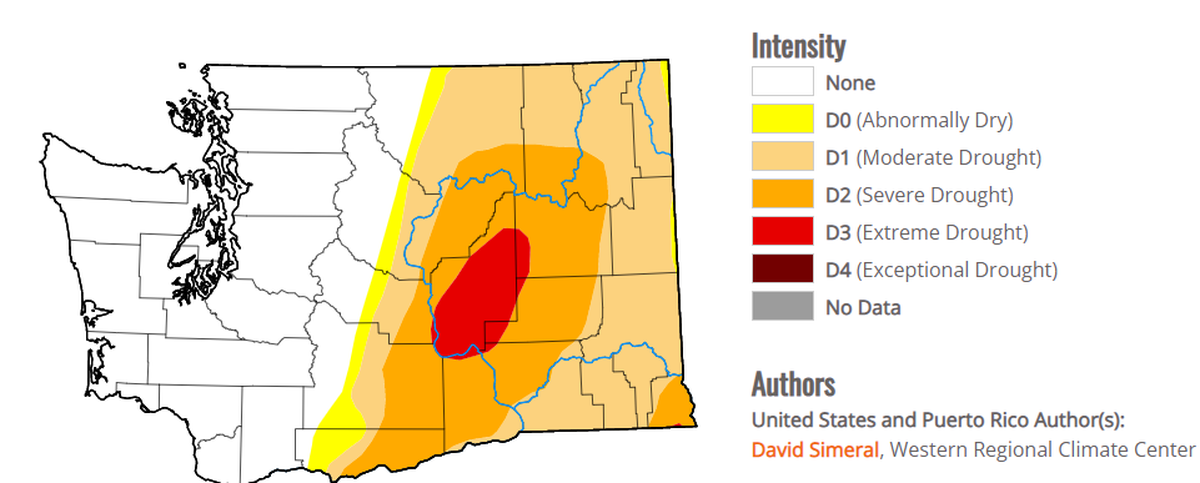
A cool and wet spring across Washington eased drought conditions, with the U.S. Drought Monitor finally moving most of Benton County from a rating of “extreme drought” to “severe drought” on Thursday, May 5.
Most of Franklin County already had improved from an extreme to a severe drought rating.
The Washington Water Supply Outlook released for May dubbed the past month as “Awesome April” based on the depth of mountain snowpack that will be needed for irrigation this summer.
The first three months of 2022 were dry, and temperatures were not cold enough for significant snow accumulation in the mountains.
But, “So much for the doom and gloom as reported last month,” said the Washington Water Supply Outlook Report for May from the U.S. Department of Agriculture.
“Measured in feet not inches, snowpack piled up in record fashion nudging out April 2011 for the king of come backs,” the report said. “Going back to 2009 there have only been two significant years where April saved the day.”
Usually April snowfall is light and often followed by warmer weather that evaporates it rather than adding to the overall snowpack and subsequent runoff, the report said.
This year below normal April temperatures slowed the stream runoff to below or much below normal levels.
Irrigation, wildfire forecast
The result is that the Bureau of Reclamation forecasts enough water in the Yakima Basin for not only those with senior water rights, but those with junior water rights to receive 100% of the water covered under their rights.
In years with water shortages, the junior water rights holders, which have more than half of the water rights in the basin, have water withheld.
The Kennewick Irrigation District is among those relying on that water from the Yakima River.
Precipitation was 112% of average from October through April and 161% of average in April, according to the Bureau of Reclamation.
As of May 1, the snowpack that will melt and feed the Yakima River was 115% of average in the upper Yakima Basin.
Irrigators also rely on water to be released from reservoirs and Yakima Project reservoir storage was at 116% of average, with the reservoirs 87% full.
The Bureau of Reclamation’s water forecast is based on river flows, precipitation, snowpack and reservoir storage, along with estimated of future precipitation and river flows.
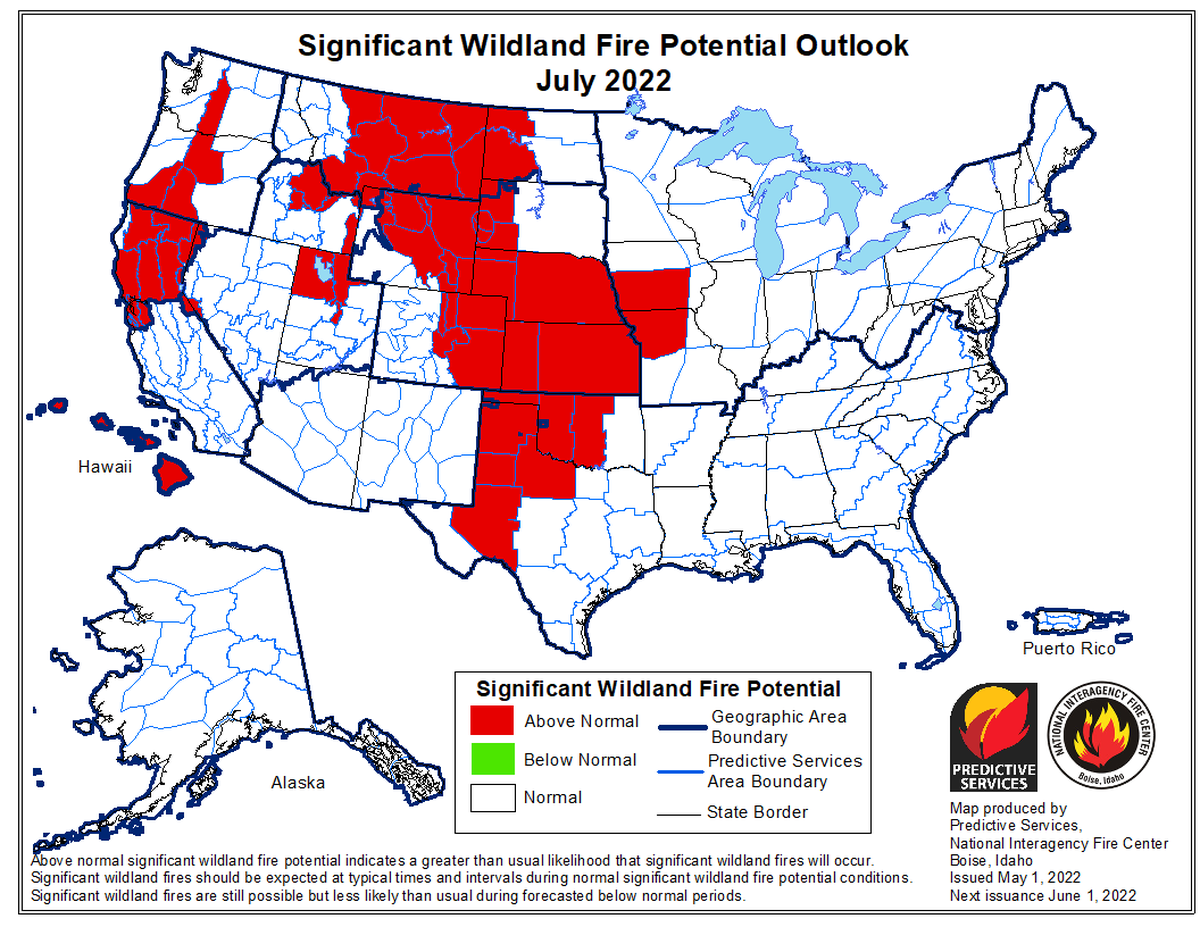
The potential for significant wildfires in the Pacific Northwest should be low through May, with the potential for significant wildlife fire not increasing to above normal until July in the Washington Cascade Mountains, according the National Interagency Fire Center.
The risk will not increase to above normal for Benton and Franklin counties, along with most of Southeast Washington until August.
Last year, smoke made Tri-Cities air unhealthy for many people as early as mid July.