
Don’t plant your Tri-Cities garden just yet, warn weather experts
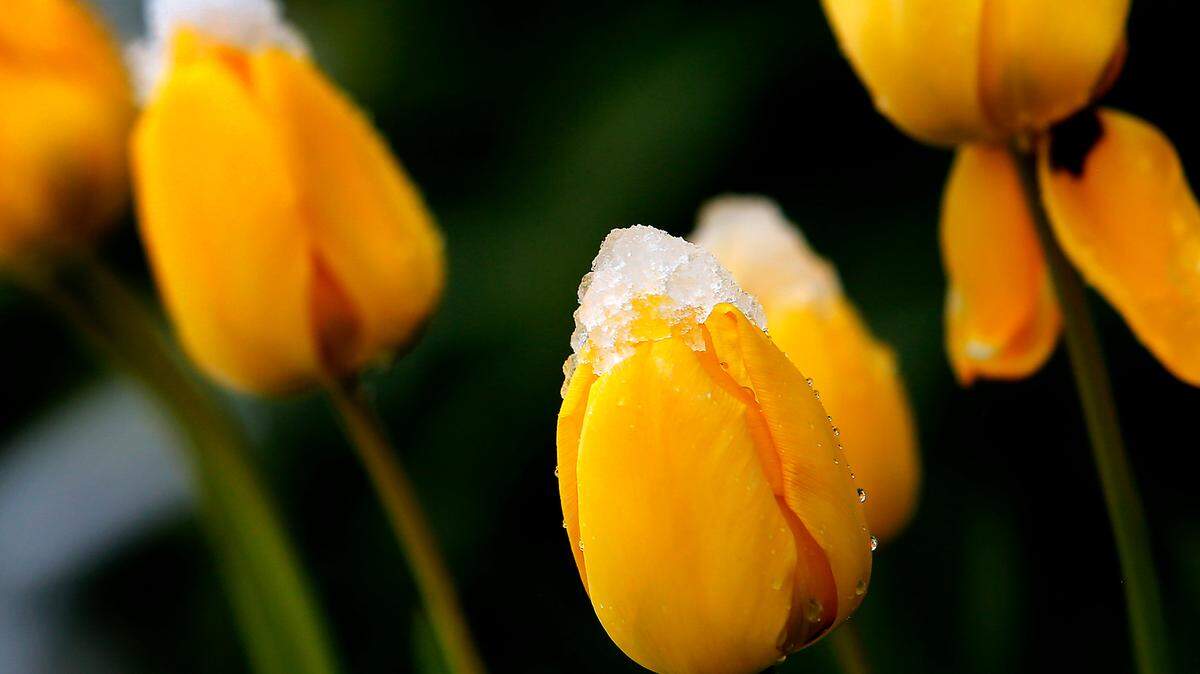
Spring planting is delayed for at least a few weeks while farmers and gardeners wait for soil temperatures to rise.
The cooler and wetter weather conditions in Washington is holding in place because of the persistent La Nina conditions in the Pacific Ocean.
The all-important soil temperatures this weekend were at 45 degrees Fahrenheit plus Monday’s record spring snowstorm will delay the spring planting window for farmers in the region and push the date to get many vegetables started into gardens into late April of early May.
When planting seeds and vegetables in cooler climates, you generally have to wait until after the threat of frost has passed.
Even late spring frosts can kill off freshly sprouted seeds and young plants.
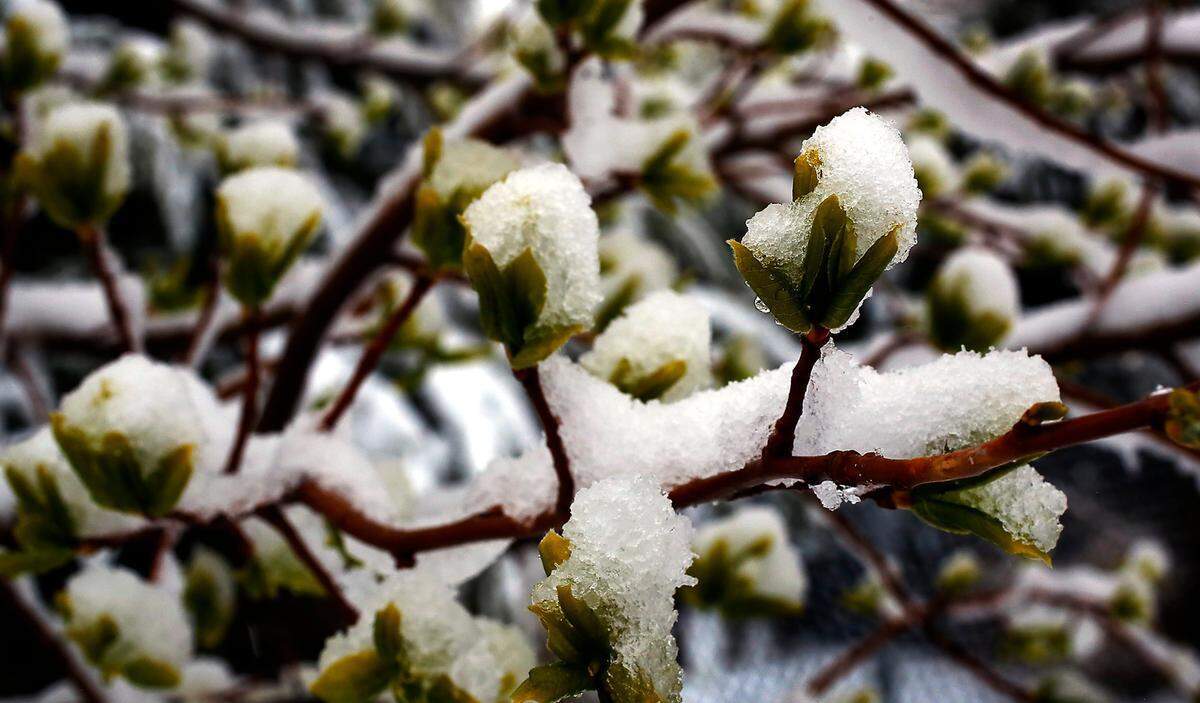
It’s best to wait for the soil and air to warm up to a minimum of 55 degrees before putting plants, including tomatoes, outside in the garden.
Over the weekend:
- Soil temperatures were closer to 45 degrees
- 24-Hour average temps were 53.1 degrees
- 5-day average was 52 degrees
- 10-year average was: 56.7 degrees
The soil temperature map can help guide planting decisions.
And Monday’s snow apparently set a new record for the latest spring snow. National Weather Service online database records indicate that the previous record was on April 1, 1935.
And the weather service’s long-range forecasts are predicting cooler and wetter conditions for the region for the next month.
Still, for the next six months, the Inland Northwest is expected to experience moderate to extreme drought conditions, according to the U.S. Drought Monitor.
That’s produced by the National Drought Mitigation Center at the University of Nebraska-Lincoln, the U.S. Department of Agriculture and the National Oceanic and Atmospheric Administration (NOAA).
This story was originally published April 11, 2022 at 12:13 PM.