
More trouble for travelers. And Tri-Citians to see more cold and snow
Travelers are continuing to struggle to cross mountain passes, and people staying put in the Tri-Cities are battling colder-than-normal January temperatures and seeing more snow flurries.
Interstate 90 westbound closed at North Bend for more than an hour Wednesday morning because of a jack-knifed semi.
It closed again at Ellensburg at 4 p.m. because of crashes near Easton, with no detour available.
The National Weather Service forecasts more snow for I-90 through the rest of the week. It predicted as much as 5 to 9 inches of new snow Wednesday afternoon through Thursday morning at Snoqualmie Pass.
A winter weather advisory has been issued through 10 a.m. Thursday.
On White Pass 8 to 12 inches of new snow was predicted for the same time period.
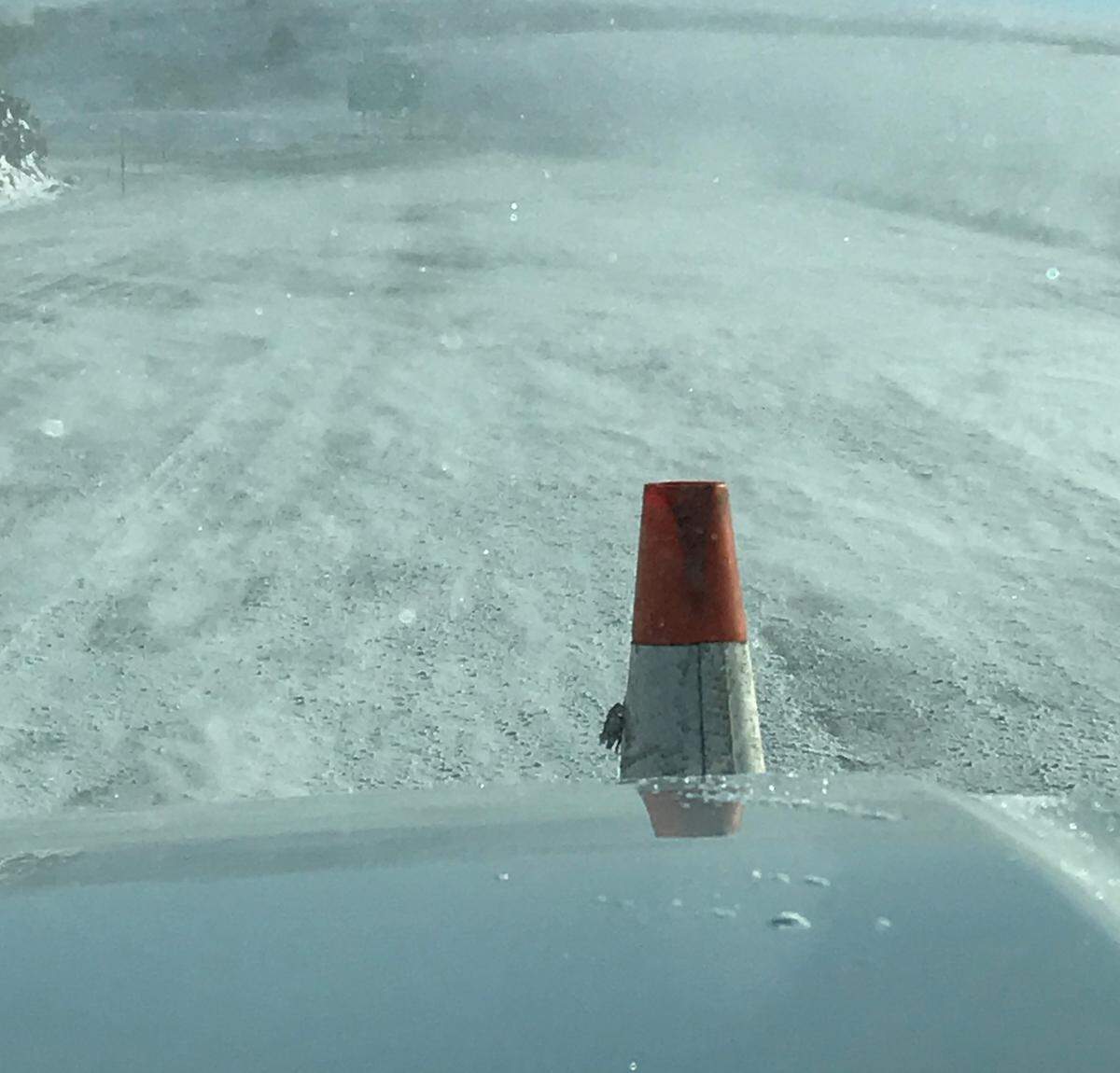
Interstate 84 east of the Tri-Cities through Oregon closed Wednesday morning from six miles east of Pendleton to La Grande because of blowing snow, poor visibility and spun out vehicles.
The Oregon State Patrol warned that the I-84 could close again in the late afternoon or evening, with wind gusts of up to 70 mph recorded in the late afternoon.
In the Tri-Cities more snow was falling Wednesday afternoon. The chance of snow is slight for Thursday — 20 percent — with rain more likely.
A 30 percent chance of rain and snow is forecast for Saturday, with any snow likely falling before 10 a.m. and likely only at the higher elevations in the Tri-Cities area.
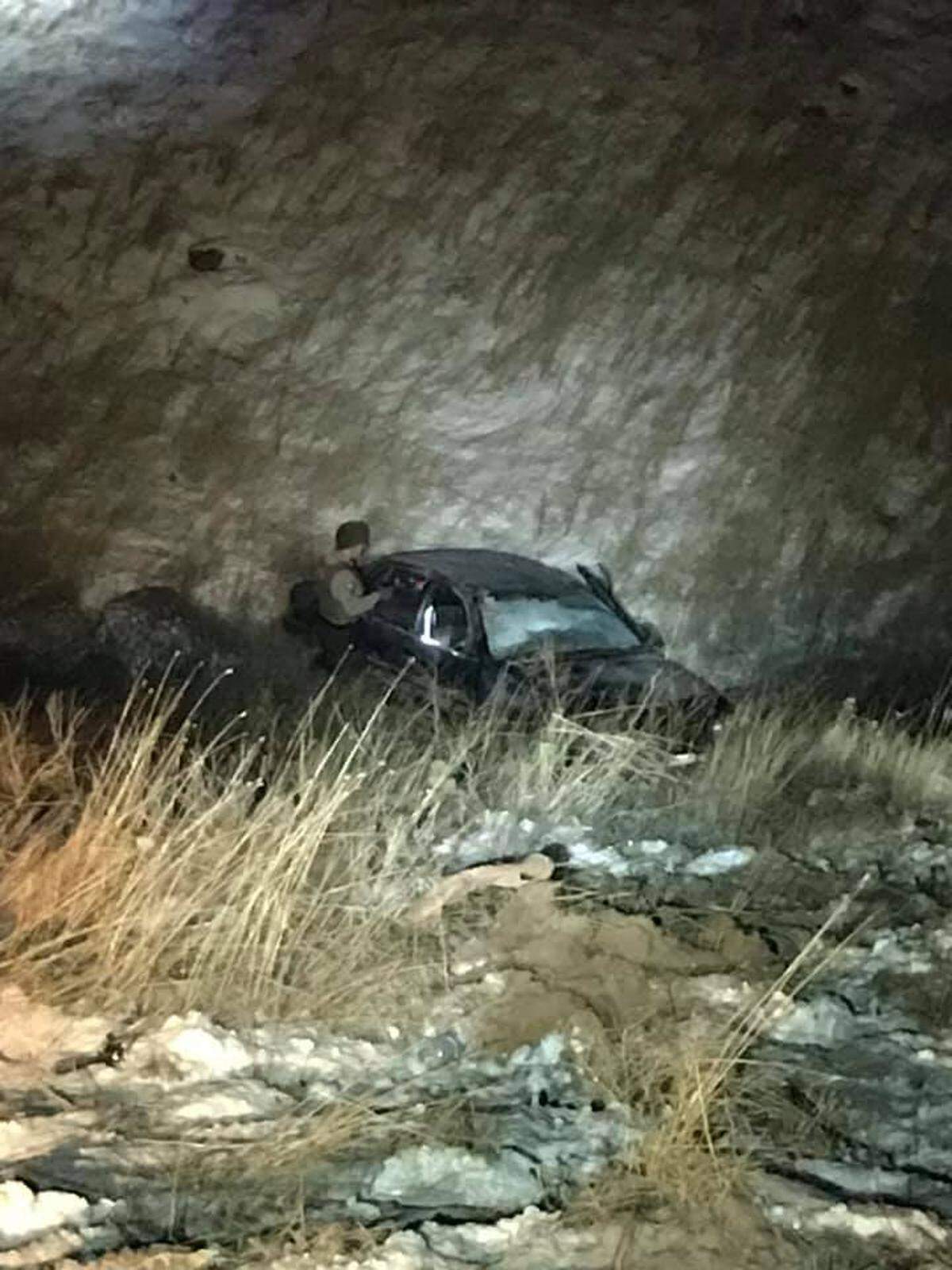
High temperatures should remain in the 30s through Martin Luther King Day and lows should be in the 20s through Friday night, warming some over the weekend. Thursday night should be the coldest of the next five nights, with a low of about 23.
Normal highs for the Tri-Cities in January average about 41 and lows average about 29.
Keep pipes from freezing
On the coldest nights this winter, homeowners should consider steps to keep pipes from freezing, says the Red Cross.
Open kitchen and bathroom cabinet doors to allow warmer air to circulate around the plumbing. Be sure to keep any harmful cleaners or household chemicals out of the reach of children and pets.
Consider insulating water supply lines in unheated areas, such as under kitchen and bathroom cabinets or in the garage.
If you will be away during cold weather don’t set the temperature any lower than 55 degrees.
Cars use more gas in the cold
If you think your car or pickup is using more gasoline in the cold weather, you could be right.
The Department of energy recommends parking your car in the garage to increase the initial temperature of your engine and cabin.
Minimize idling to warm your car up, it said.
Most manufacturers recommend driving off gently after about 30 seconds. The engine will warm up faster being driven, which will allow the heat to turn on sooner, decrease fuel costs and reduce emissions, it said.
It also recommends using seat warmers no more than necessary.
Check your tire pressure. It can drop in cold weather, reducing fuel economy in addition to increasing braking time.
The lower than usual temperatures will mean higher home heating costs.
The Benton and Franklin PUDs are among the Mid-Columbia electric utilities that offer discounts for qualifying low income households with a senior or a person with disabilities. Check with your local utility.
Space heater safety
If you depend on an electric space heater for extra warmth, they should be plugged directly into the wall outlet to prevent a fire hazard.
Consider buying one with a tip-over safety switch, which will automatically shut off the heater if it is tipped over.
Don’t be tempted to bring a generator into the house to power portable heaters if the power goes out, says UW Medicine of the University of Washington.
Small gas engines, camp stoves, charcoal grills and other heat-producing devices can emit carbon monoxide, which is potentially deadly. The gas is odorless and colorless.
Symptoms include severe headaches, dizziness, nausea and tiredness.
Too often people fall asleep and don’t get to a hospital emergency room in time to be saved, said Beth Ebel, a UW Medicine doctor at Harborview Medical Center.
This story was originally published January 15, 2020 at 3:14 PM.