
Trump administration order cost WA coal plant $20M, company says
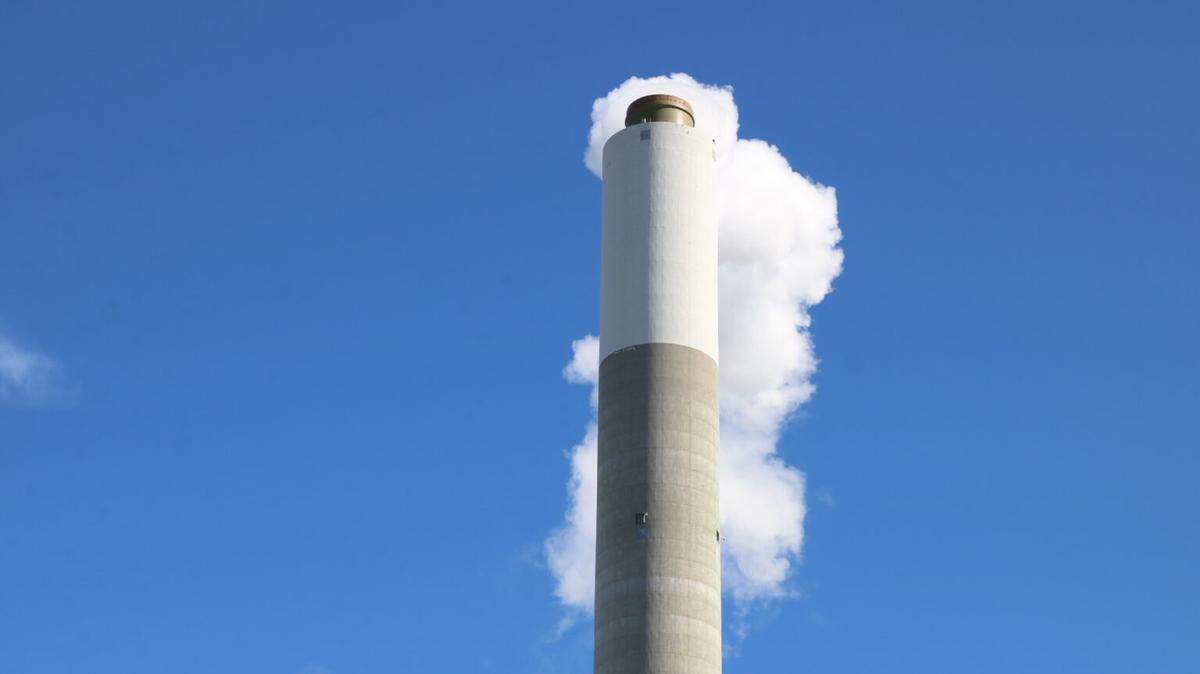
The owner of the state’s last-remaining coal power plant says it has spent millions of dollars to comply with federal orders to remain operational this year, past its planned shutdown date. Now, it wants regional grid operators to foot the bill.
Since last December, the U.S. Department of Energy has ordered the plant to be ready to generate power if needed, even though the plant’s owner had long been in agreement with the state to wind down at the end of 2025.
A new filing by TransAlta, the plant’s owner, has pulled back the curtain on how much complying with DOE’s initial order has cost, despite not producing power since late last year.
TransAlta said, in documents filed last week with the Federal Energy Regulatory Commission, it is seeking to recover around $20 million that it spent on compliance between December and March.
The company is seeking $11.6 million to cover costs related to obtaining and remediating coal and diesel and around $8 million to cover the general operating expenses of the coal facility, including wages of the employees maintaining the plant, taxes and materials and parts.
TransAlta is requesting the federal Bonneville Power Administration and the California Independent System Operator pay for the bulk of these costs. DOE’s first order specified the coal facility should be available to operate at the direction of these two organizations, which generally ensure that the amount of power being generated on the grid matches demand.
BPA and the California grid operator are not actually responsible for the TransAlta plant, and a second DOE order issued in March instead specified, without explanation, that operation of the facility should be directed by Gridforce and the Southwest Power Pool, two other grid operators.
The filing touches on concerns from Washington’s governor, attorney general and environmental advocates that ratepayers will ultimately be the ones footing the bill for the federal emergency order.
Those entities (BPA and the California ISO) will seek approval to pass those costs on in a manner that ultimately lands at the doorstep of end-use ratepayers like homes and businesses,” Earthjustice attorney Michael Lenoff said.
Washington state and environmental advocates have filed lawsuits challenging the first emergency order and say they intend to continue fighting ensuing orders. BPA and DOE did not respond to requests for comment.
BPA is responsible for around 32% of the power produced in the Pacific Northwest. BPA’s customers include private utility Puget Sound Energy and public utilities like Seattle City Light, Tacoma Power and Snohomish County PUD.
While the coal facility in Centralia has not actually generated power since December 2025, TransAlta’s filing also reveals how much it would cost if it did.
According to the filing, generating power at the coal plant would cost between $83 and $113 per megawatt hour before factoring in any startup costs, which would range from around $202,000 to $577,000.
Those estimated costs fall far above what price electricity typically commands in the region. According to an analysis of wholesale electricity data from the Northwest (including Idaho, Montana and parts of Wyoming), the average price of electricity only exceeded $83 per megawatt hour around 16 days last year, which included a cold snap in early February and during a heat wave in August.
According to the filing, complying with the state’s Climate Commitment Act, which requires polluting businesses to cover their emissions by purchasing allowances, would cost the coal facility around $78 per megawatt. (The coal plant had been exempt from this rule only through 2025.)
The cost of acquiring additional coal also falls around $30 per megawatt, a price made slightly more expensive due to a law passed by the Legislature this year that imposes a sales tax on coal imports, according to the filings.
According to the filing, the coal the company has already purchased also presents a “clean up and remediation liability” since it cannot use it outside of the dates of the emergency order due to the state’s climate and environment laws.
The company said it has been “unsuccessful in securing a buyer” for the coal, and the estimated cost of removing it falls around $7 million on top of the $4.6 million to buy it. In an affidavit, the current director of plant, Cody Duncan, wrote the plant had depleted its supply of coal before the emergency order was issued.
The coal facility had plans to convert to natural gas and be running again in 2028. The company said remaining to be available to burn coal through the last half of 2026 would take significant capital investment,” to the tune of $23 million.
In the affidavit, Duncan, who wrote he has worked at TransAlta for over 20 years, said the company has “no other means or resource to recover its costs” and has not been able to come to an agreement with BPA, the California grid operator and other grid entities.
DOE’s justification for the emergency orders largely touches on concerns the region does not have enough power, especially during multiday extreme weather events, like cold snaps and heat waves.
While the region is anticipating large demand growth and slow timelines for new energy resources, environmental advocates and the Washington attorney general’s office have fervently denied that the concerns over reliability justify the emergency orders.
Since last year, DOE has used the Federal Power Act to extend the life of coal plants that were about to close, including the one in Centralia, as well as others in Michigan and Indiana, which have been burning coal, and Colorado, which generated power in April.
Earthjustice attorney Lenoff said the organization’s legal challenge over the Michigan coal plant, which was the first coal plant to be issued the emergency order, will be heard later this month before the U.S. Court of Appeals. The Federal Energy Regulatory Commission is also considering a similar filing from that plant on how to divide up the costs of continuing to run.
Copyright 2026 Tribune Content Agency. All Rights Reserved.
This story was originally published May 7, 2026 at 4:50 PM.