
Potentially lethal shellfish toxin closes harvest at popular Puget Sound beaches
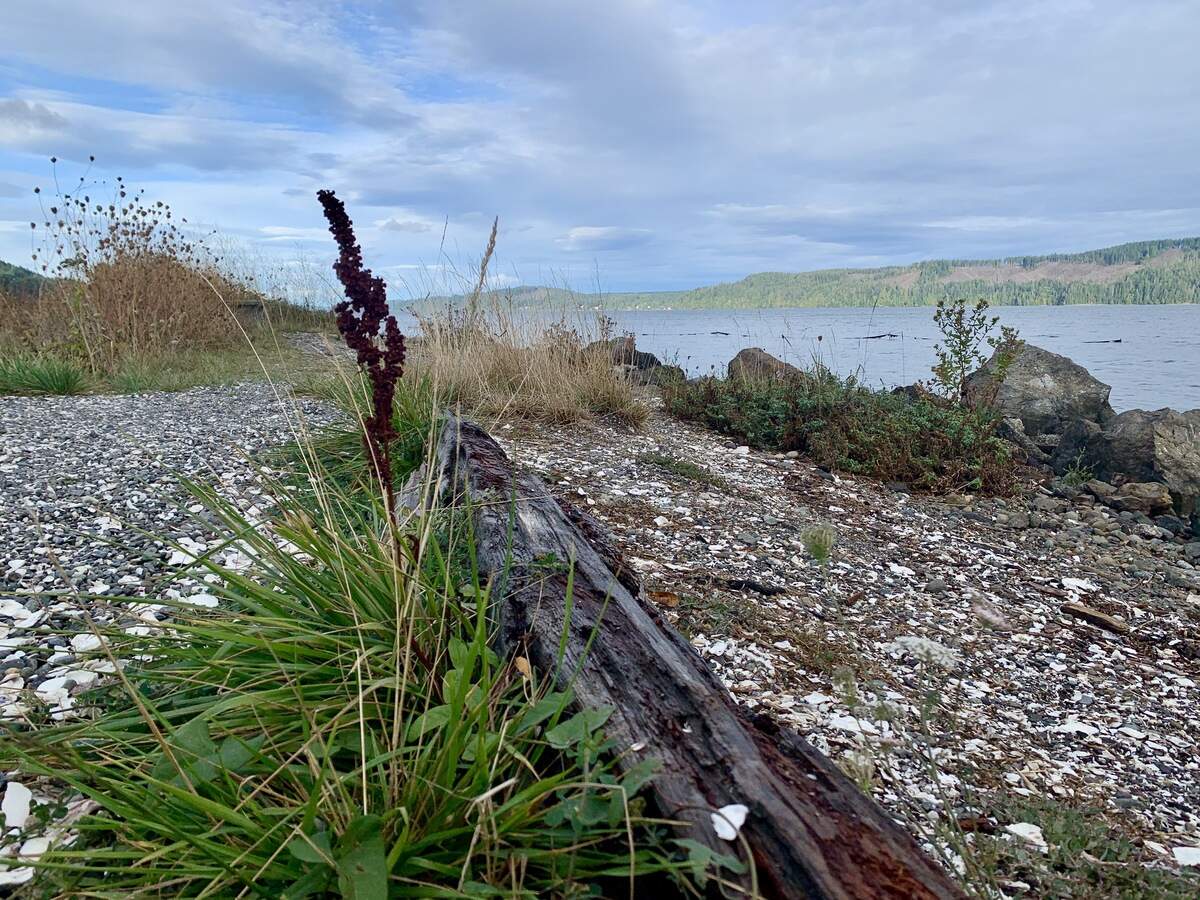
On June 12, the Washington Department of Fish and Wildlife released a statement announcing closures of all beaches to shellfish harvesting in Hood Canal and Admiralty Inlet, including Foulweather Bluff, Port Ludlow Bay, Port Gamble Bay, Quilcene Bay, Dabob Bay and Mats Mats Bay until further notice.
A naturally occurring paralytic shellfish poison (PSP) was detected by the Washington State Department of Health at potentially lethal levels. The closure applies to clams, oysters, mussels, scallops and other molluscan shellfish species. Crab and shrimp are not included.
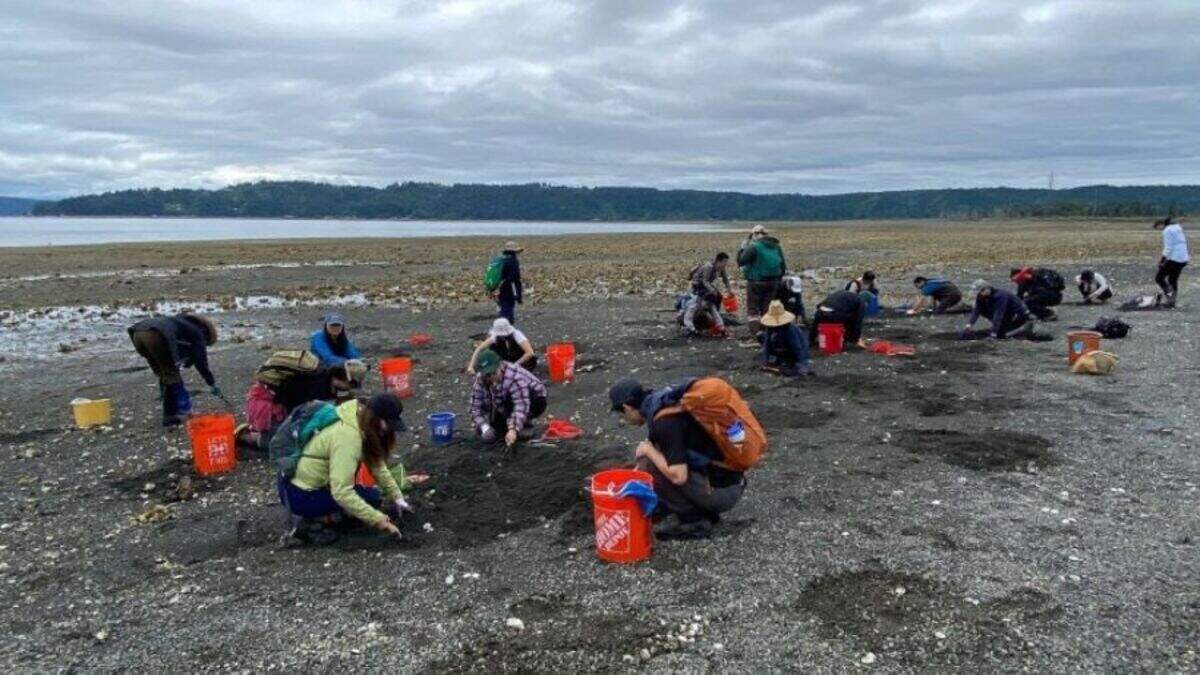
“This closure is focused on urgently protecting public health and safety, given the extraordinarily high and dangerous levels of shellfish biotoxins specifically in Hood Canal and southern Admiralty Inlet,” Chris Eardley, WDFW’s Puget Sound shellfish policy coordinator, said in the statement.
The WDFW also warned that consuming shellfish from areas with high PSP toxins is very dangerous, and that biotoxins cannot be destroyed by cooking, freezing, or cleaning shellfish.
PSP is a naturally occurring marine toxin produced by a species of algae; human-made pollution does not play a role. The biotoxin does not make the shellfish sick, but they do retain it in their tissues, which, when consumed, can transfer to a human or animal.
In a separate statement, the Washington State Department of Health warned that symptoms of PSP can develop within minutes to several hours after consuming contaminated shellfish.
“Early symptoms typically include tingling or numbness of the lips and tongue, which may progress to the hands and feet. In severe cases, PSP can cause difficulty breathing, paralysis, and death,” the statement warned.
Anyone experiencing symptoms after eating shellfish should seek immediate medical attention or call 911.
The WDFW warns that biotoxin status can change quickly, and to please refer to the Department of Fish and Wildlife “Find a beach” search tool to locate open and unaffected beaches before harvesting.
This story was originally published June 17, 2026 at 5:30 AM with the headline "Potentially lethal shellfish toxin closes harvest at popular Puget Sound beaches."
.jpg)