
Hiking in Washington state? Follow these expert tips to stay safe on the trail
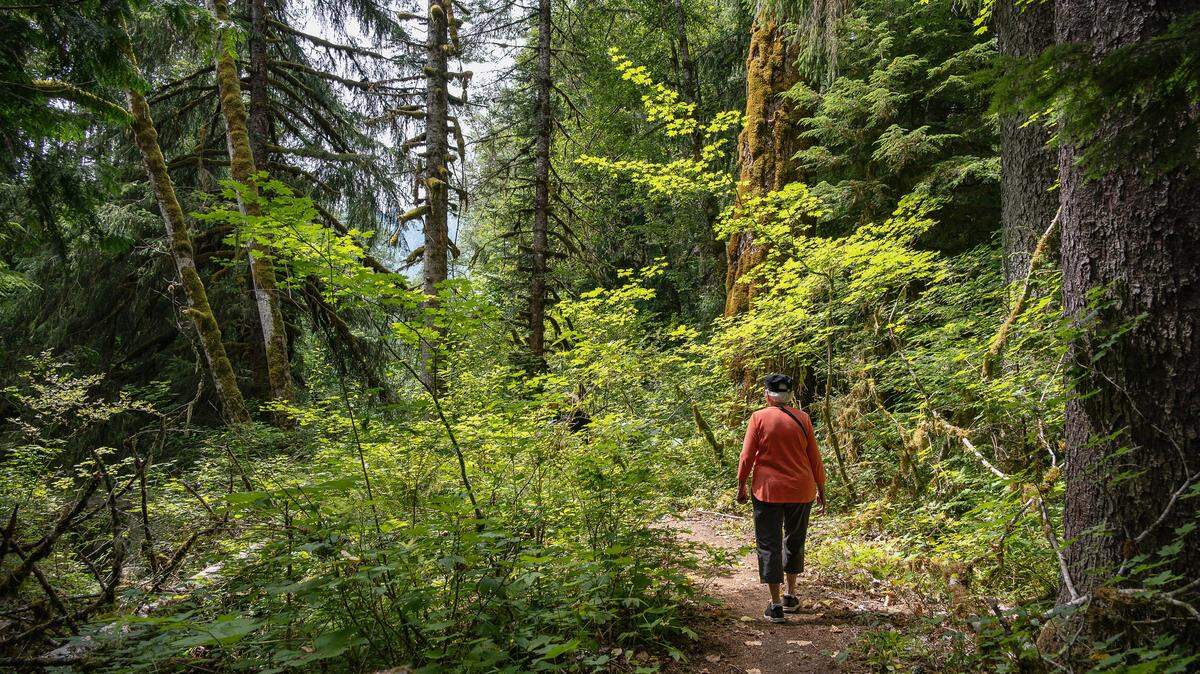
As the weather warms, outdoor enthusiasts across Washington state are heading out on hikes.
You can find 700 miles of trails on state-owned lands such as Deception Pass, Fields Spring and Wallace Falls, ranging from “short interpretive nature walks to challenging long-distance treks,” Washington State Parks said. .
The Evergreen State also has 10 locations managed by the U.S. Park Service, with attractions including Lake Roosevelt, Mount Rainier and the Olympic Peninsula.
Before you embark on your next adventure, however, it’s vital to plan ahead.
Here’s what to know:
What should I do before hiking in Washington state?
According to the National Parks Association, all public lands in Washington state require Discovery Passes for parking.
Some spots may require additional reservations, so check before you leave.
Before you head out, check the weather forecast as well as trip reports to see current trail conditions, according to the Washington Trails Association.
“Figure out your hiking route and the driving directions to the trailhead,” the trails association said. “Write down your itinerary and send it to a friend.”
You should also “make sure you have a backup plan ready, the Washington Trails Association said, noting that “a freshly fallen tree blocking road access or a jam packed parking lot may force you to change your plans.”
What should I bring with me when I hike?
According to the Washington Trails Association, there are “10 essential items” you should pack in your backpack:
- Maps
- Water
- Extra food
- Rain gear and insulation
- Fire starter
- First aid kit
- Tools such as a knife, a multitool and duct tape
- A light source with extra batteries and bulb
- Sun protection including sunglasses and sunscreen
- Emergency tarp or space blanket
Building out your packing list? You should also consider bringing insect repellent, a whistle, a watch, a mirror for signaling and an extra layer of clothing, plus a basic bathroom kit with toilet paper and hand sanitizer.
If you are planning on bringing your pup along, be sure to grab their leash, extra food, water and a smell-proof way to pick up their waste, the trail association said.
“Whatever you bring with you on the trail should come right back out with you. Yes, even poop,” Washington State Parks said on its website. “Food scraps may seem okay to toss into the woods, but they can cause increased animal activity on the trails which can be dangerous to other hikers and the animals themselves.”
How can I stay safe on the trail?
Once you’re on your designated trail, stay on it.
“Sometimes you will see short cuts or “social trails” but please stay on marked, official trails,” the Washington State Parks says. “We can cause unintentional damage to plants and the outdoors around us.”
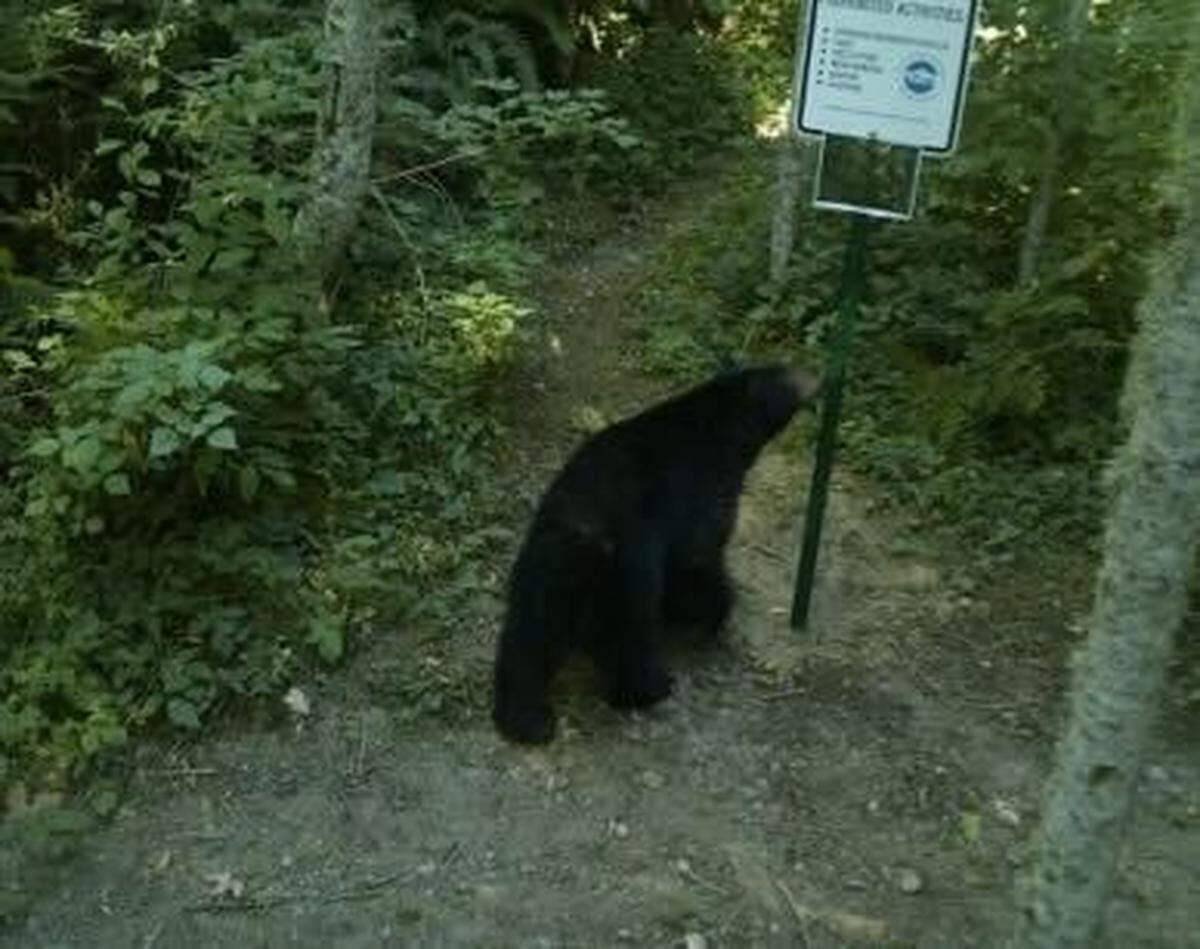
If you come across animals during your hike, keep your distance “for the safety of both wildlife and visitors,” State of Washington Tourism said.
“Animal attacks are extremely rare, but it’s a good idea to brush up on tips for how to respond if you encounter a bear or a cougar,” the state tourism board said on its website. “In addition to keeping your distance, you can prevent animals from becoming reliant on humans by never feeding wildlife.”

Find best hiking trails near me
The Washington Trails Association describes its hiking guide as the “most comprehensive database of hikes in Washington,” with content from local hiking experts and outdoor enthusiasts.
Users can search for hikes based on location, mileage range, elevation gain and other factors, including features such as rivers, lakes, waterfalls and wildflowers.
Popular hiking app AllTrails also offers a guide to the best trails in Washington state for hiking, mountain biking, climbing and other outdoor activities.
This story was originally published April 10, 2026 at 5:00 AM with the headline "Hiking in Washington state? Follow these expert tips to stay safe on the trail."