
Find these weeds in your Washington yard? State law says you should pull them
With spring arriving in Washington state, more and more plants are popping up.
Outdoor enthusiasts and homebodies alike will encounter plenty of flowers, shrubs and trees over the next couple of seasons.
However, not all plants are positive additions to the Evergreen State’s luscious green landscape. Some are considered dangerous and invasive.
If you find these weeds in your yard, you’re required to remove them by state law.
Here’s what to know:
How are noxious weeds classified in Washington state?
According to the state’s Noxious Weed Control Board, Washington is a national leader in establishing weed laws.
The control board classifies noxious weeds in three classes: A, B and C.
Class A noxious weeds are “non-native species whose distribution in Washington state is still limited,” said the control board.
According to the Revised Code of Washington, residents are required to remove Class A noxious weeds on their property.
Class B noxious weeds have limited distribution in parts of Washington state.
Almost every county in Washington has its own local control board, where you can check which Class B noxious weeds should be monitored for removal.
Class C noxious weeds are widespread in the state or “of special interest to the agricultural industry,” according to the control board.
Your local control board may require you to remove Class C weeds if they “pose a threat to agriculture or natural resources,” according to the state control board.
Which weeds am I required to remove in Washington state?
Washington’s Noxious Week Control Board maintains a list of all identified noxious weeds in the state, with common names and scientific names.
Some of the many Class A weeds requiring eradication are:
- Cordgrass varieties
- Flowering rush
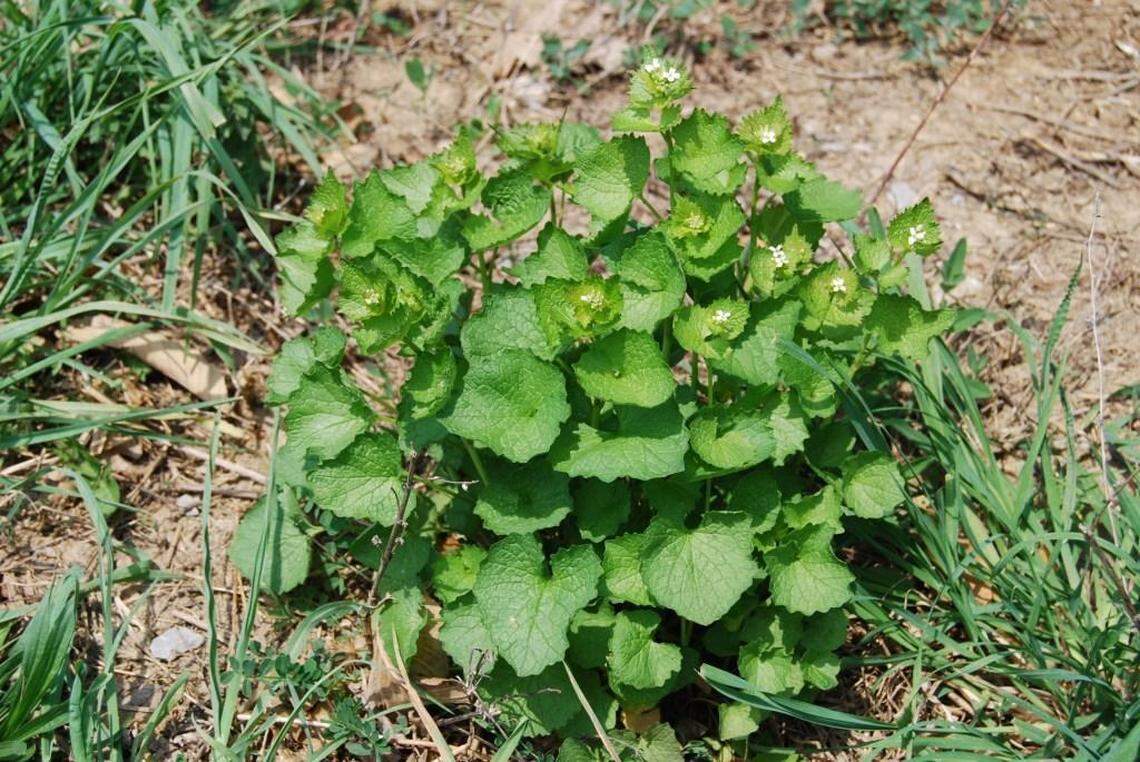
- Garlic mustard
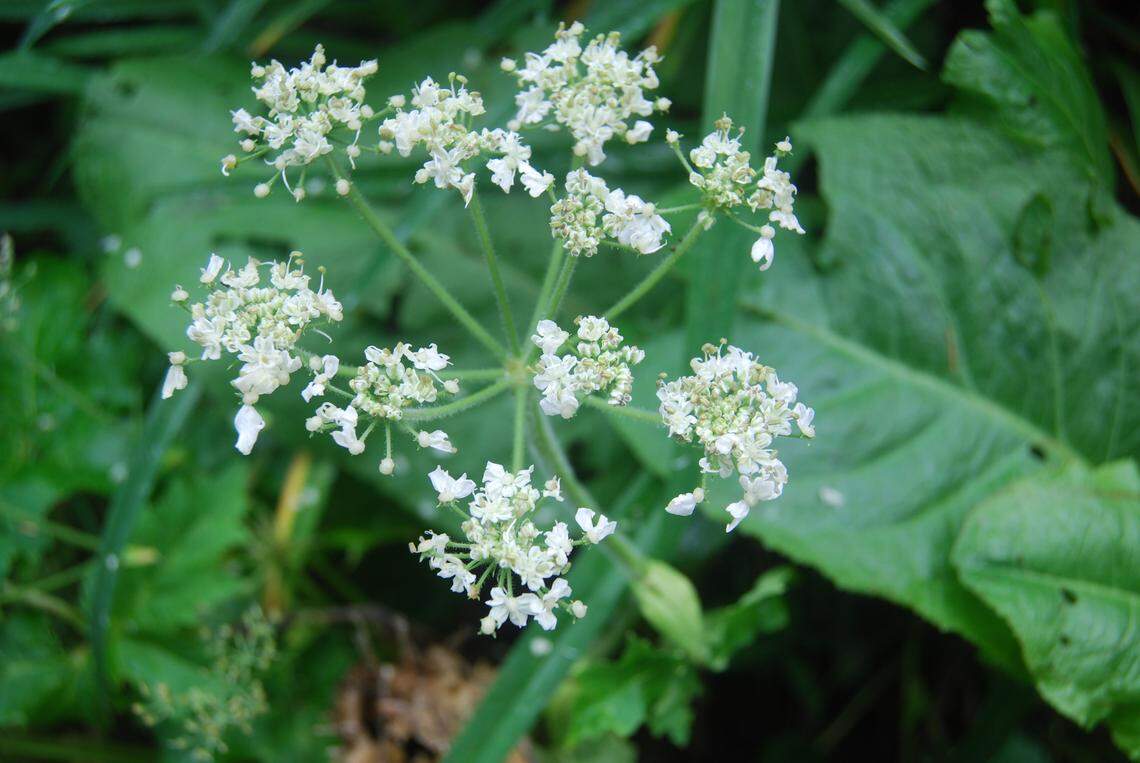
- Giant hogweed
- Knapweed varieties
- Sage varieties
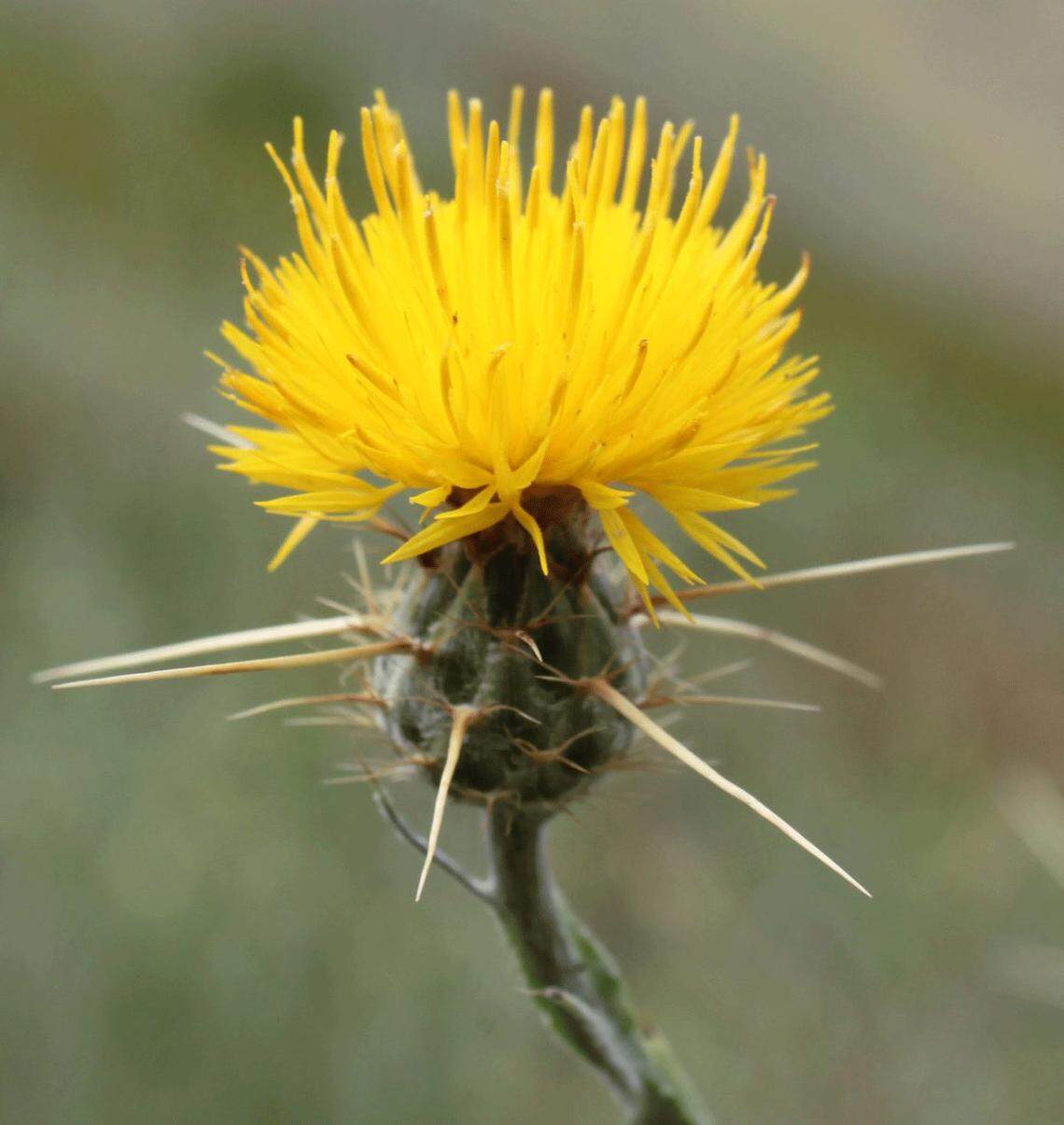
- Thistle varieties
Why do I need to pull noxious weeds?
Noxious weeds pose a threat to the state landscape. They don’t naturally occur in Washington state, and their presence is considered invasive or damaging.
By removing these plants, Washingtonians prevent plant reproduction.
“Since plants grow without regard to property lines or political jurisdictions, everyone’s cooperation is needed,” the control board said. “City gardeners, farmers, government land agencies, foresters and ranchers all have a role to play.”
Additionally, some of the weeds on the control list are poisonous.
For example, poison hemlock is a Class B noxious weed and can kill humans within hours of being ingested.
All Class A noxious weeds are on a quarantine list managed by the state.
Plants on this list cannot be imported into the state, and it is illegal to transport, buy, sell or trade any of the listed species, according to the control board.
Violations come with fines of up to $5,000 each.
What happens if I don’t control weeds on my property?
Control boards may notify landowners of noxious weeds on their property.
Failure to control noxious weeds on your property could lead your state or local board removing the plants and sending you the bill. You could also face a civil infraction.
What should I do if there’s an invasive weed in my yard?
Always check the state and local control board for identification guidance and exact protocols of removal for noxious weeds. You should also report your findings.
The plant may be toxic to touch, so you might need to wear protective clothing and gloves while removing it.
What should I do if I touch a poisonous plant?
If you touch a poisonous plant, the Centers for Disease Control and Prevention recommends taking the following steps:
- Rinse immediately with rubbing alcohol, poison plant washes or dishwashing soap plus plenty of water. Be sure to scrub under your nails.
- Apply wet compresses, calamine lotion or hydrocortisone cream to the affected area to reduce itching and blistering.
- Take an antihistamine such as Benadryl to help relieve itching.
- In severe cases, including when a rash appears on your face or genitals, get medical help.
- Call 9-1-1 or go to an emergency room if you have a severe reaction, such as swelling or difficulty breathing.
Be aware of resources available for poisoning.
If you or someone you know ingests a poisonous plant, contact the Washington Poison Center by calling 800-222-1222 or texting 206-526-2121. You can also chat with a poison specialist via the Poison Center website.
If your pet or another animal ingests a toxic plant, call the Pet Poison Helpline at 855-764-7661.
This story was originally published March 29, 2026 at 5:00 AM with the headline "Find these weeds in your Washington yard? State law says you should pull them."