Southern Resident orcas in Puget Sound may mean good news for salmon population
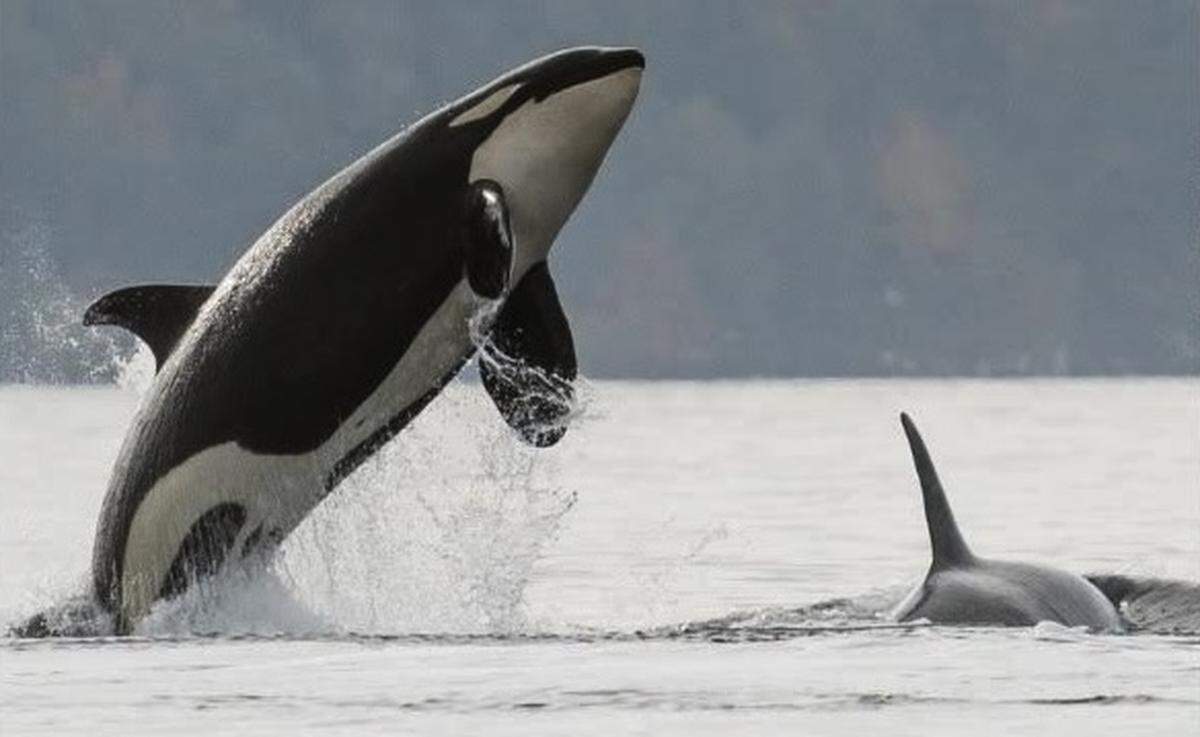
Boaters are being asked to practice vigilance in Puget Sound as Southern Resident orca sightings continue amid what officials are calling a “record” year for salmon.
Orca sightings of a group known as J pod were confirmed Sept. 12 in the Rosario Strait and again Sept. 13 in the inland Puget Sound, according to the Orca Network and Center for Whale Research.
A calf from the pod was found deceased, highlighting the challenges the population faces related to reduced prey availability and environmental toxicants. But the continued presence of the salmon-eating Southern Resident orcas could indicate good news for salmon populations.
“Puget Sound is a key foraging area for Southern Residents in the fall. They regularly travel into this region pursuing Chum salmon, which make up a large majority of their diet during the fall and early winter,” said Dr. Michael Weiss, Research Director for the Center for Whale Research.

Declining salmon runs over the past decades are a key factor in the population’s endangered status, and correspond with the whales spending less time in Puget Sound, according to the Orca Network. Last fall, however, record salmon runs kept the Southern Residents in the Puget Sound for several weeks.
Meanwhile, the Washington Department of Fish and Wildlife is forecasting the largest return of Chinook salmon on record back to Whatcom Creek in Bellingham this fall as a result of a local hatchery program, according to previous Herald reporting. Officials are expecting 7,000 Chinook to return, an encouraging sign for efforts to protect the fish and the endangered Southern Resident orcas that feed on them.
There are currently only 74 known Southern Resident orcas. Recreational watercraft users are being asked to avoid the animals whenever possible, as noise and disturbance from vessel traffic can interfere with the whales’ ability to find food. Regulations require recreational watercraft to maintain a distance of at least 1,000 yards from the species and disengage transmission if the whales surface within 400 yards.
Several orca whales were caught on video swimming in Bellingham Bay in March of this year. The Orca Network identified them as Bigg’s transient mammal-eating orcas and told The Herald that orcas going into Bellingham Bay is “not uncommon.” Southern Resident orcas will make infrequent visits and Bigg’s orcas visit the area on occasion throughout the year, the organization said.
Anyone who sees a whale is encouraged to send a report to Orca Network by:
- Sending an email to sightings@orcanetwork.org
- Visiting https://www.orcanetwork.org/report-sightings
“Real-time sightings enable Orca Network to keep commercial shipping traffic up to date on the location of the Southern Resident orcas at all times,” said Orca Network Whale Sighting Network Co-Coordinator Rachel Haight. “They also provide people the opportunity to view the orcas from shore as they travel through Puget Sound, and serve as a means of data collection that is shared with various agencies and researchers. This invaluable information can then be utilized in creating policies for the recovery and protection of Southern Resident orcas.”
To learn more about Southern Resident orcas and current research projects, visit the Center for Whale Research website at www.whaleresearch.com and Orca Network’s website, www.orcanetwork.org.
This story was originally published September 18, 2025 at 2:32 PM with the headline "Southern Resident orcas in Puget Sound may mean good news for salmon population."