Mount Rainier butterfly researchers track climate change. What have they found?
AI-generated summary reviewed by our newsroom.
- Butterfly counts and flowering times shift earlier in warmer, low-snow years.
- Volunteers now lead Mt. Rainier surveys after federal research funding ended.
- Butterflies serve as effective indicators of broader ecological climate trends.
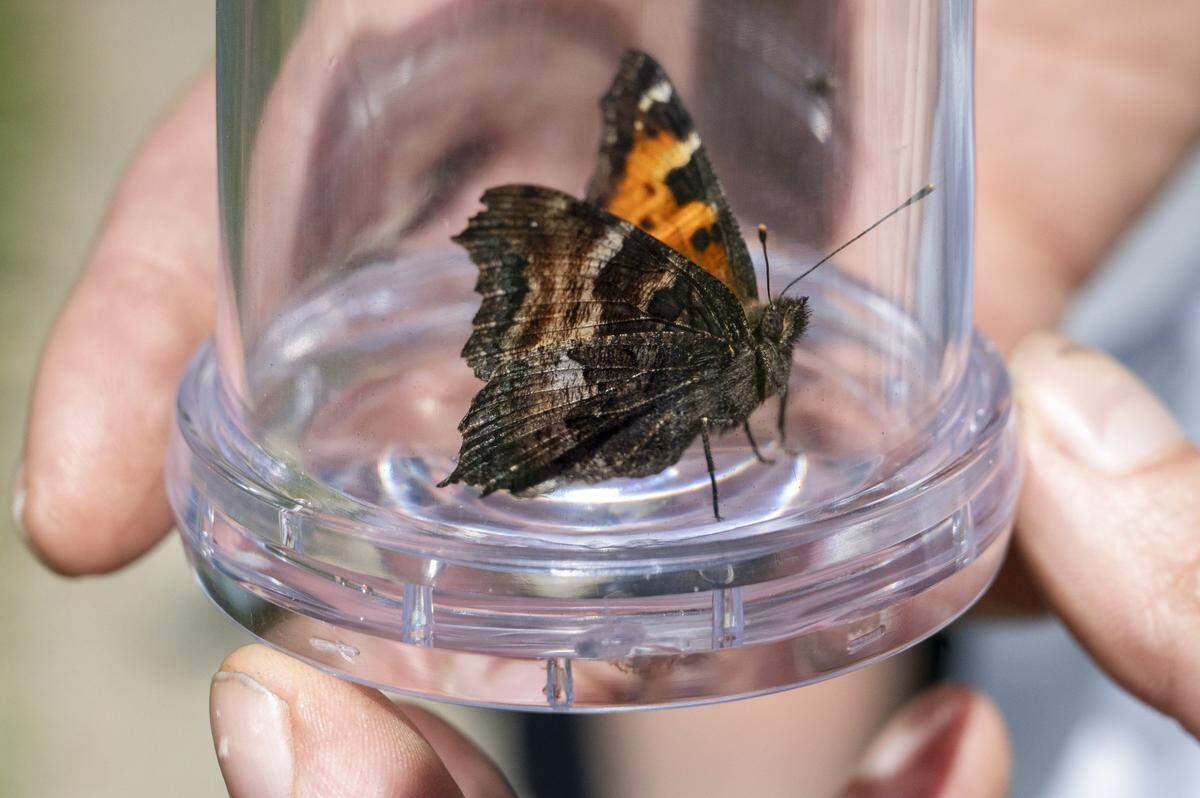
A flash of orange darted between blue broadleaf lupine, magenta paintbrush and pink-white mountain daisies before the small butterfly disappeared into the sky.
“That’s another California Tortoiseshell,” called out Regina Rochefort, directing another volunteer to mark a slash on their observation record. “This seems to be a high year.”
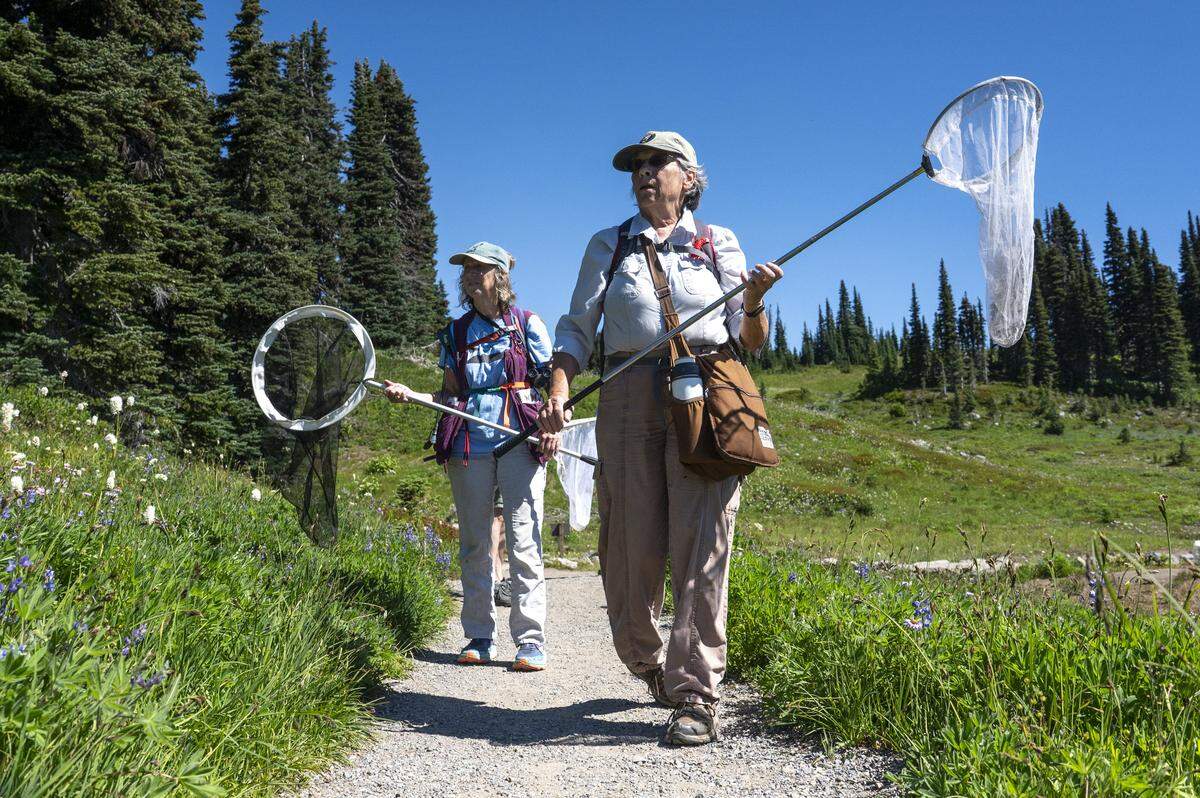
Rochefort, who lives in Mount Vernon, has been leading citizen scientists with the Cascades Butterfly Project since 2011, monitoring ecological changes in the North Cascades as the warming climate melts glaciers and changes floral growing seasons. Their work comes at a time when the National Park Service is facing unprecedented cuts to staff and research positions, and climate-change impacts are becoming more pressing.
“The National Park Service is responsible for protecting natural and cultural resources for the enjoyment of future generations. And really, to be able to protect it, you have to know what you have and how it’s changing,” Rochefort told The News Tribune. “Numbers of butterflies or timing of plant flowering is not something we can look back on … if we’re not tracking it now, we won’t know how it changed.”
Although butterflies aren’t the most important pollinators at Mount Rainier (that’s generally bees, syrphid flies and ants, Rochefort said), they are good indicators of larger trends of ecological changes. Butterflies and flowering plants respond faster to changing temperatures, “so they provide an early warning of long-term ecosystem changes,” according to a Cascades Butterfly Project fact sheet. The group received funding for its research from the National Park Service, but that ended in 2018, Rochefort said. Now it’s up to a group of about 35 volunteers to do the work.
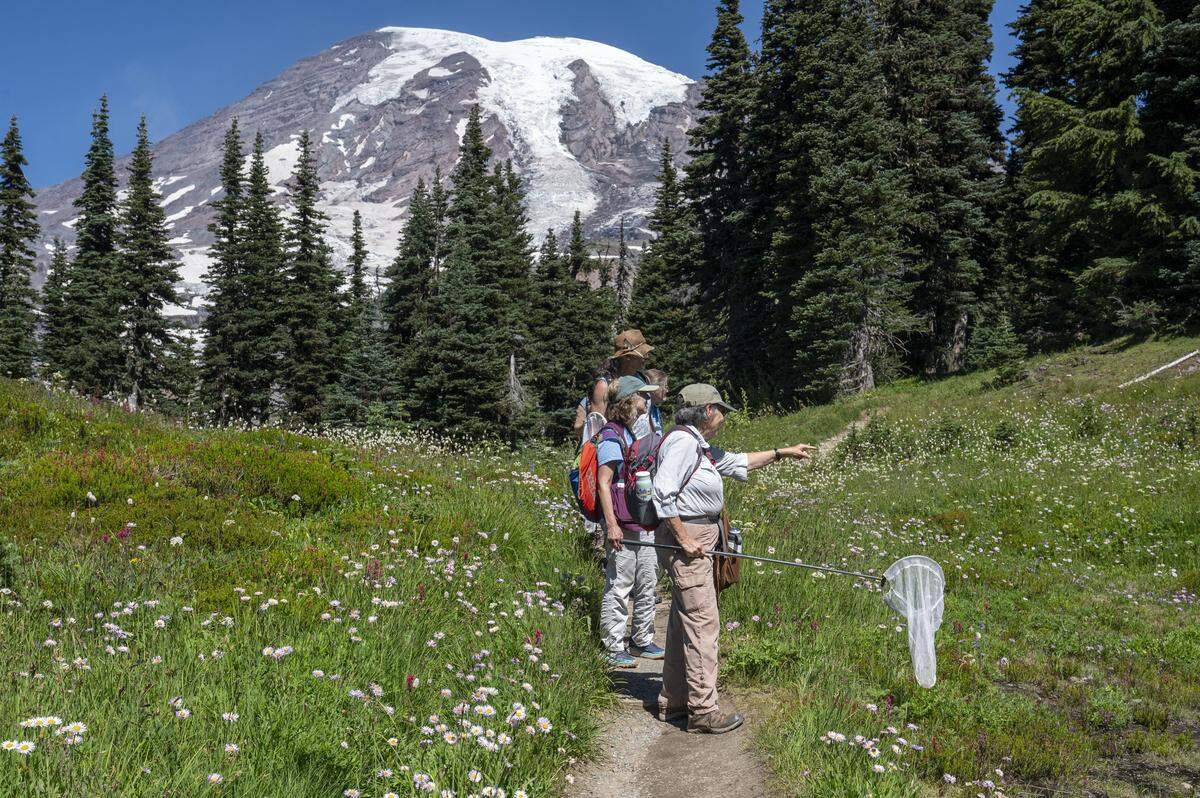
So far their research has shown that butterfly numbers typically peak earlier in warmer years. Plants also are flowering earlier with earlier snow melt and higher temperatures, according to information shared by Rochefort. The Cascade Butterfly Project tracks butterflies in five sites at Mount Rainier National Park, as well as in the Mount Baker-Snoqualmie National Forest, the Okanagan-Wenatchee National Forest and North Cascades National Park. Nationally, total butterfly abundance has fallen 22% from 2000 to 2020 due to climate change, habitat loss and pesticides, according to the Cascade Butterfly Project.
On Aug. 11, the team recorded seeing at least eight species of butterfly at its Mount Rainier survey site, including 46 California Tortoiseshell butterflies — which are characterized by orange interior wings with ragged black edges.
This year appears to be a good one for the California Tortoiseshell, and the group spotted more butterflies overall on Aug. 11 than they did the previous week.
As they slowly trekked the 4th Crossing Trail to the Mazama Ridge Trail in Paradise, about a dozen hikers stopped to inquire what they were up to.
A pair of them was Gig Harbor couple Barbara and Erik Bjarke, who volunteered with the project two years ago after they retired. Both avid hikers, Barbara said they wanted to give back to the national parks, and their hikes are “so much better now” since volunteering.
“I’ve learned more of the flowers. I can name most of them, and we’re always looking at the butterflies, even at home now,” Barbara said. “It just really enriched my enjoyment of the outdoors.”
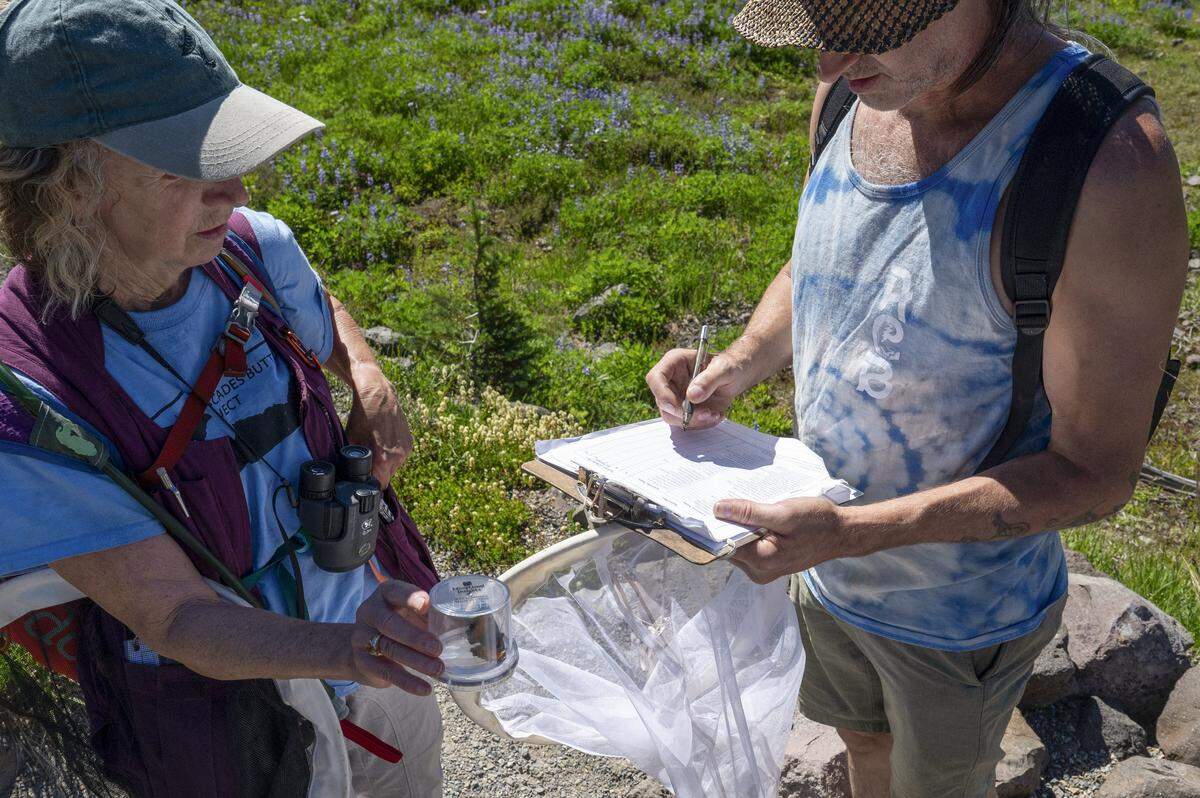
“It forces you to take a longer look when you’re surveying, particularly since we did it three weeks apart,” Erik added, describing it as “land snorkeling.” “You see the changes as the flowers evolve, as they germinate. Just opening your eyes to what’s around you.”
Although volunteering has closed for this season, people can sign up to survey next year by filling out a form on the North Cascades Butterfly Project website. Rochefort said training typically begins in February or March.
This story was originally published August 14, 2025 at 5:00 AM with the headline "Mount Rainier butterfly researchers track climate change. What have they found?."