
March 31 was Transgender Day of Visibility: About the history and celebration in WA state
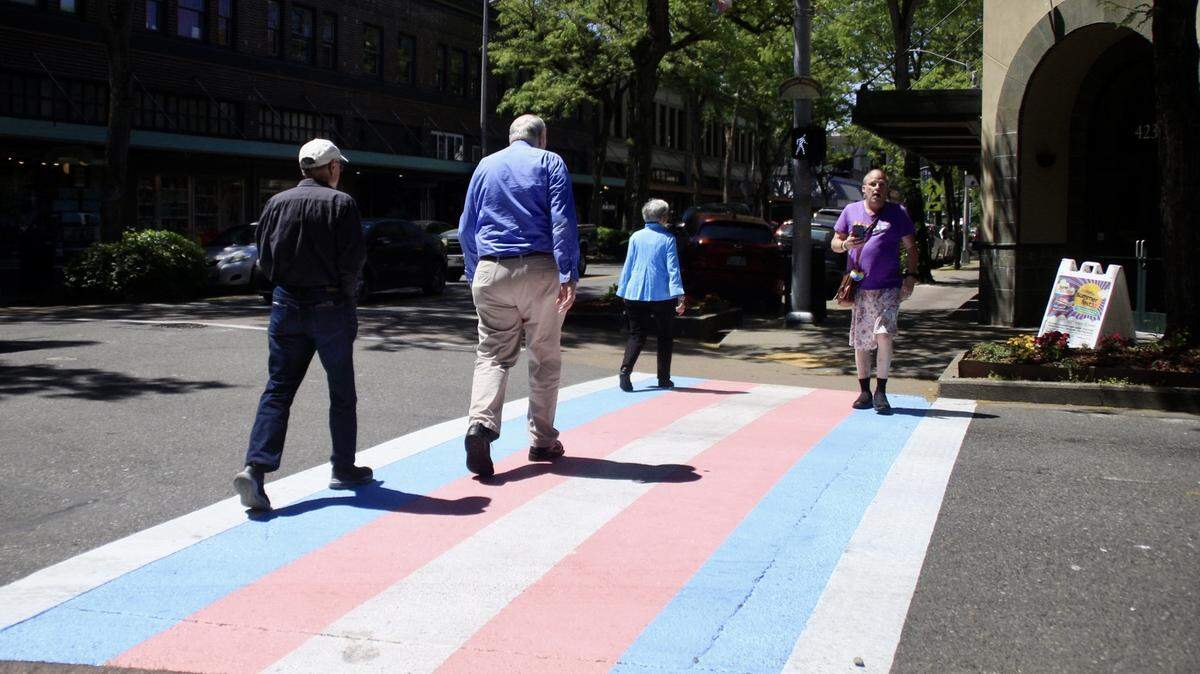
Each year, March 31 is marked as International Transgender Day of Visibility (TDOV), a day to recognize and celebrate transgender and nonbinary people. The Human Resource Campaign (HRC) estimates there are more than 2 million transgender people in just the United States, though that number varies depending on the source.
The importance of TDOV is twofold: celebrate a community that often feels unappreciated and unloved, and raise awareness about the violence and discrimination faced by transgender communities. Right now, more than 800 pieces of anti-trans legislation are being considered across the U.S.
“Today, and every day, we must continue uplifting the voices of those who are often silenced and share stories of trans joy to inspire action and build a world where everyone feels seen, respected, and valued,” said the HRC’s director of strategic outreach and training, Tori Cooper, in the organization’s annual statement honoring the day.
The statement also notes the current political climate in the United States and actions taken by current president Donald Trump, including his executive orders directed toward transgender Americans. It states TDOV has an even greater significance this year, “a reminder of the ongoing fight for equality and the importance of standing in solidarity with the transgender and gender expansive community.”
History of TDOV
The Gay & Lesbian Alliance Against Defamation (GLAAD) says the day is about raising awareness of transgender people, celebrating their lives and contributions and acknowledging discrimination and violence they face.
The day was first observed in 2009, following efforts from Rachel Crandall-Crocker. She noticed that the only widespread day for transgender people was Transgender Day of Remembrance, a day to honor transgender victims of targeted attacks. But Crandall-Crocker reportedly wanted another day for the transgender community that was more about celebration, about the living transgender communities and about their fight for acceptance.
TDOV wasn’t recognized by a president until Joe Biden in 2021.
“Vice President Harris and I affirm that transgender Americans make our Nation more prosperous, vibrant, and strong,” Biden said in the 2021 proclamation. “I urge my fellow Americans to join us in uplifting the worth and dignity of every transgender person.”
While President Trump is not expected to recognize the day, Washington state observes Transgender Day of Visibility.
Today, the Washington State Senate adopted Resolution 8642, honoring the day in Washington state. The resolution recognizes the contributions transgender, nonbinary and gender-diverse individuals have made to the state’s history and culture.
“Throughout history, transgender and gender-diverse individuals have been present in all cultures and societies,” the legislation states. “Gender diversity has existed for all time; woven into the fabric of human existence across cultures, geographies, and generations. As we observe Transgender Day of Visibility, we affirm that transgender, nonbinary and gender-diverse people have always been here, not as an exception to history, but as an essential and enduring part of it...”
Resolution 8642 also encourages Washingtonians to join in observation by uplifting their transgender and gender-diverse peers and celebrating their joy.
Observing TDOV
If there are no transgender or nonbinary people in your life, you may want to start by learning more about gender identities, pronoun use and transgender issues. You can also research the history of transgender people, who have existed for centuries before the term “transgender” was coined.
If you feel educated on trans existence, but want to know more on trans issues, spend TDOV researching transgender education, anti-trans legislation and reversing harmful narratives.
It’s also important to evaluate your life to determine if you exist in safe spaces for all genders. Are your home, work and social spaces accepting and inclusive? Are pronouns, identities and preferences respected? Are nondiscrimination policies clear and enforced?
Giving for TDOV
Another way to recognize TDOV is through donations and support to LGBTQ+ nonprofits and organizations. There are national and state organizations that accept donations of any size. Or if you want to donate to something smaller and more local, look at crowdfunding sites for gender-affirming care fundraisers.
You can also reach out to the transgender and gender non-conforming people in your life, if you can. See what they need and what you can do for them.
Here are a few relevant organizations:
Organizations
- American Civil Liberties Union
- Black & Pink
- Forge
- The Gay & Lesbian Alliance Against Defamation
- Gay, Lesbian and Straight Education Network
- Gender Justice League
- Gender Spectrum
- GLMA
- Human Rights Campaign
- Lavender Rights Project
- National Center for Transgender Equality
- The Marsha P. Johnson Institute
- Parents, Families, and Friends of Lesbians and Gays
- Point of Pride
- Sylvia Rivera Law Project
- Trans Justice Funding Project
- Transgender Law Center
- Trans Lifeline
- Trans Women of Color Solidarity Network
- The Trevor Project
- UTOPIA Washington
Protections for transgender Washingtonians
While federal protections are either in limbo or being rolled back, Washington state has guaranteed protections for its transgender and gender non-conforming population.
The ACLU of Washington’s annual TDOV statement recognized the state’s strong anti-discrimination laws and the decades-long fight for transgender rights and protections that secured them.
This includes the protection against discrimination of the basis of gender expression or identity, and the option to use a third gender marker, X, on identification documents.
Additionally, the state has legislation requiring insurance carriers to provide gender-affirming care when appropriate and protections for out-of-state patients visiting Washington for gender-affirming care options.
The Washington State Office of the Superintendent of Public Instruction has numerous policies regarding inclusion policies, the privacy and treatment rights of transgender and gender non-conforming students, and instruction on gender identity and expression.
This story was originally published March 31, 2025 at 3:24 PM.