
It’s illegal to trap wild animals in WA. What to do with raccoons, other wildlife at home
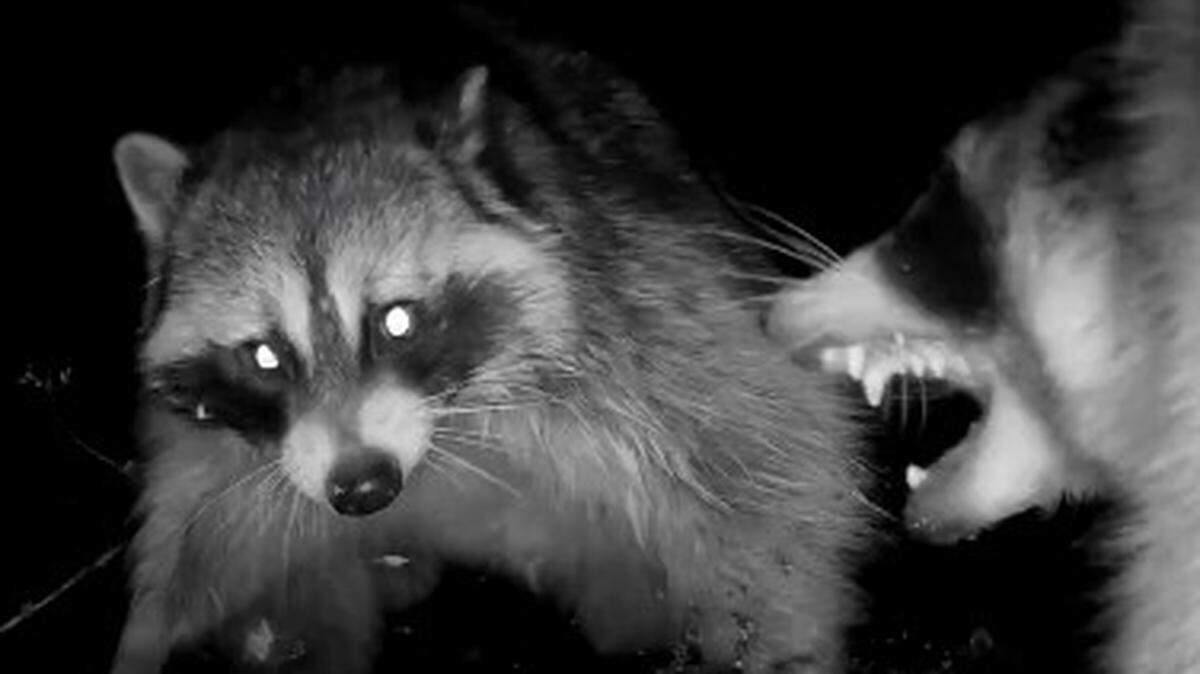
A scenario experienced by many Washingtonians during the warm seasons: A family of wild animals has made a home somewhere next to, near or under the house or porch and there are young ones. The question after such a discovery usually goes something like, “What now?”
Trapping and moving the forest family is not an option in the Evergreen State.
That’s because it is illegal to relocate a wild animal in Washington state, unless you have proper certification. Trapping should only be done through approved methods and as a last resort. So what should unlicensed people do in these situations with wildlife?
Washington state is home to more than 7.7 million people, according to the U.S. Census Bureau. But the state’s many rich ecosystems, climates and habitats include a plethora of wild animal species. With so many people and so much wildlife, conflict and contact is common.
If you’re experiencing some kind of issue involving wildlife in your living space or area, do not immediately respond by trapping. In fact, the Washington state Department of Fish and Wildlife says trapping should be a last resort and comes with many complications for both human and wild animals.
Why is trapping illegal?
Trapping and relocating wildlife often doesn’t solve the problems as hoped for. If the food source or shelter attracting the animal remains, they’ll likely return. Plus, even if the individual animal you trapped doesn’t return, other members of its species will likely be attracted to the same place.
WDFW compares living near animals to having new neighbors, since you don’t know what you’re going to get until they’ve already moved in.
It is not appropriate to trap an animal when:
- It is simply passing by or living nearby
- It is caring for dependent offspring
- There is inclement weather
Legally trapping wildlife is worth considering when:
- It’s an emergency
- It’s the last response option for a targeted problem animal
- It’s the only practical option
Other options for dealing wildlife
There are several routes one can take when requesting official help trapping wildlife. The WDFW says it gets thousands of phone calls a year asking how to deal with wildlife situations. Unlawful trapping in Washington state is a gross misdemeanor.
Trapping options for Washingtonians include:
- Apply for authorization to respond to the conflict by trapping with a special authorization form
- Request a licensed trapper through the state’s Wildlife Control Operator program
Licensed specialists in Washington are called Wildlife Control Operators. They’re certified for trapping small game and unclassified wildlife, like raccoons, skunks and oppossums. These operators are not state employees and dictate their own price points.
For large threats like bears, cougars and elk, contact WDFW. Wildlife Control Operators are not certified to handle big game animals. The WDFW Enforcement Program has specific protocol to follow in those situations.
If the animal is posing a threat, it may be considered a nuisance animal. There are steps that can be taken to remove these animals lawfully. Carefully check the WDFW guidelines, which vary by animal. Check WDFW regulations for more information.
There is also help at the national level. The U.S. Department of Agriculture’s Wildlife Services offices offer federal guidance in conflicts with wildlife. They respond to an array of situations, including management of coyotes for a small fee.
This story was originally published June 27, 2024 at 12:58 PM.