As freezing temperatures sweep through WA, here are tips to winterize your home
With freezing temperatures upon us, and snow storms expected across the Evergreen State, it’s time to start preparing your house to keep the cold temperatures out and the warmth in.
According to the National Weather Service, temperatures in Washington will plummet this weekend.
In parts of the South Puget Sound, such as in Tacoma and Olympia, temperatures are expected to be as low as 20 degrees Fahrenheit with the possibility of snow starting Thursday night.
In northern Washington, such as in Bellingham, temperatures are expected to drop as low as 13 degrees Fahrenheit on Friday night and a slight chance of snow through the weekend.
In eastern Washington, such as in Tri-Cities, temperature lows are expected to be between 1 and 5 degrees Fahrenheit and a chance of snow through the weekend.
Here is what you should do to ensure that your house is ready for the winter.
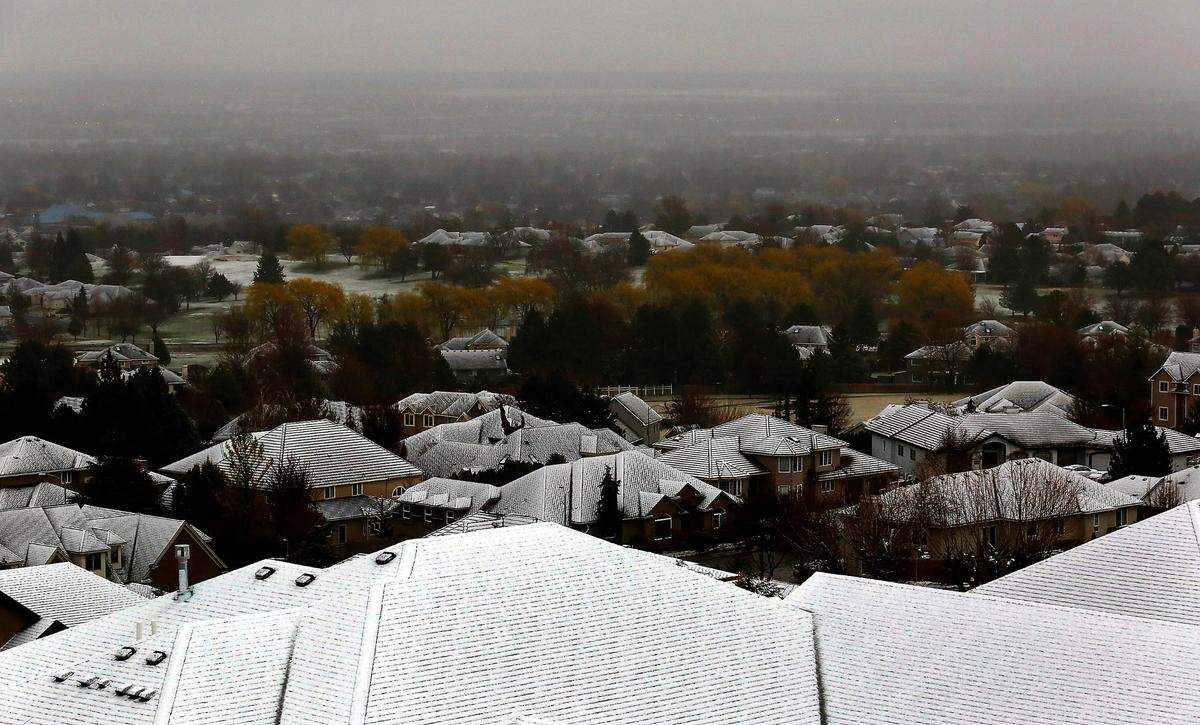
Tips to winterize your home
Taking certain steps to protect your home before it gets too cold can save you time, money and stress down the road. Most home disasters caused by winter storms, like burst pipes and leaks, can be prevented with the proper precautions. They can also make your home more energy efficient and better at retaining heat.
One of the most important steps is a thorough inspection before it’s freezing, according to several home safety experts. You can hire a professional to check major appliances, or you can do it on your own. Make a checklist of things that need to be examined at your home each winter:
Roof
Gutters and downspouts
Windows
Doors
Window and sliding door tracks
Siding
Attic
Crawl spaces
Pipes
Garage, garage door
You can seal any cracks, holes or gaps to keep cold air out and prevent leakage. Depending on where it is, you can use caulking, silicone lubricant, covers or other materials to seal these off.
Preventing burst or frozen pipes is an important element of winterizing your home. Any exposed pipes should be insulated. Check pipes and spigots around your home’s exterior, and remove any garden hoses. Drain these as much as possible, then turn off the water to any outdoor faucets. Put faucet covers over spigots before expected cold snaps.
Inside, you’ll want to keep your faucets on a slow drip to keep water circulating. Open any cupboards with pipes inside to allow warm air through. Get familiar with the main water shut-off valve in your home, so you can stop the water in an emergency.
Make sure you’re also familiar with the backup heating system where you live, or get one ready for the winter. Backup assistance like A gas furnace or heat strips throughout can help heating systems in below-freezing temperatures, when heating pumps are less effective.
When you check the insulation around your home, be sure to check in your garage as well, including the door. Keep the garage door shut as much as you can. Once you’ve examined the garage, it’s a great place to keep backup generators, emergency kits and propane space heaters, which work in any emergency.
How can I conserve energy during the winter season?
It is especially important during the winter to turn off lights you aren’t using to conserve energy.
It’s worth checking with your utilities provider for winter rate changes. Electricity may be cheaper at certain points of the day. With extreme cold, utilities costs can skyrocket, no matter what you’re using electricity for. Planning when to use more energy vs. less can save you a lot in the long run.
Keep warm air in and cold air out with:
Weatherstripping tape (available online and at most hardware stores for under $10 a standard roll)
Draft stoppers (most are available for under $30)
Insulating shrink film (comes in various sizes, generally under $30
Energy efficient windows or insulated curtains
Best thermostat settings for winter cold
Turning up the heat in your home during the winter season can break the bank, but you shouldn’t have to sacrifice your comfort and warmth to keep your energy bill low.
According to Puget Sound Energy, setting your thermostat to 68 degrees or lower when you are home and awake, and lowering your thermostat 7 to 10 degrees when you are asleep or away can help save energy in the home and lower your electric bill.
Lowering your thermostat by 7 to 10 degrees for eight hours a day can save you as much as 10% on your heating costs every year, according to the U.S. Department of Energy website.
“The smaller the difference between the indoor and outdoor temperatures, the lower your overall cooling bill will be,” according to the DOE website.
This story was originally published January 11, 2024 at 10:02 AM with the headline "As freezing temperatures sweep through WA, here are tips to winterize your home."