
Washington state to cut down greenhouse gas emissions with electric ferry conversions
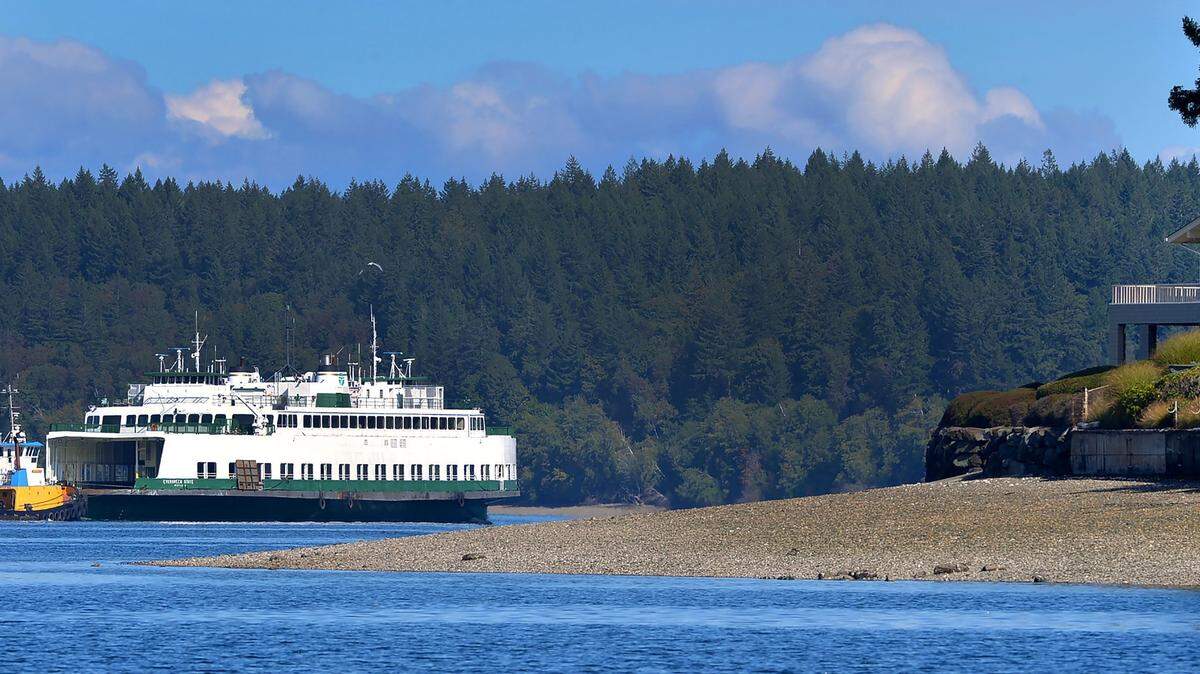
The Washington state ferry system is taking concrete steps to reduce carbon emissions with an announcement that three ferry boats will be converted to electric.
Transportation in the United States contributes the largest share of greenhouse gas emissions across a single sector. Between trucks, planes, boats and other modes of getting from place to place, transportation generated 28% of emissions in 2021, the most recent data from the Environmental Protection Agency.
In Washington, the largest contributor of emissions by a state agency is Washington State Ferries at 19 million gallons of diesel fuel each year. WSF is beginning a transition to hybrid-electric power ferries, hoping to reach zero emissions by 2050, following an agency plan and direction from the Washington Legislature and Governor Jay Inslee.
The Washington State Department of Transportation announced the first contract in WSF’s journey to zero emissions has been awarded to Vigor, an industrial company specializing in complex projects that support energy generation. The company will convert two Jumbo Mark II-class ferries to hybrid-electric power, with the potential to convert a third afterward.
This work on the ferry system coincides with regular maintenance, so the ferries will be updated and maintained, increasing their life expectancy.
Converting the fleet not only lessens WSF’s carbon footprint, but also makes the vessels cheaper to operate, more flexible for growth and more efficient, according to the WSF Long Range Plan. The Jumbo Mark II-class ferries were chosen because they are the largest vessels and produce more than a quarter of WSF’s annual emissions, according to WSDOT, plus they were already scheduled for updates.
“This contract is a big step toward providing our ferry-served communities with better air quality and more sustainable service,” stated the System Electrification Program Administrator, Matt von Ruden, in a WSDOT press release. “We’re tackling the biggest emitters in our fleet first, the Jumbo Mark IIs, which contribute 26% of our ferries’ greenhouse gas emissions. When our terminals are electrified in 2026, we expect emissions from these three vessels to drop by roughly 95%.”
The contract is just the first step in a series of changes planned for WSF. Further plans include building new hybrid vessels, retiring diesel ferries and adding charging abilities to several terminals.
This story was originally published August 22, 2023 at 12:10 PM with the headline "Washington state to cut down greenhouse gas emissions with electric ferry conversions."