Punjabi farmers in Whatcom County help make Washington the top producer of this crop
Second of two parts
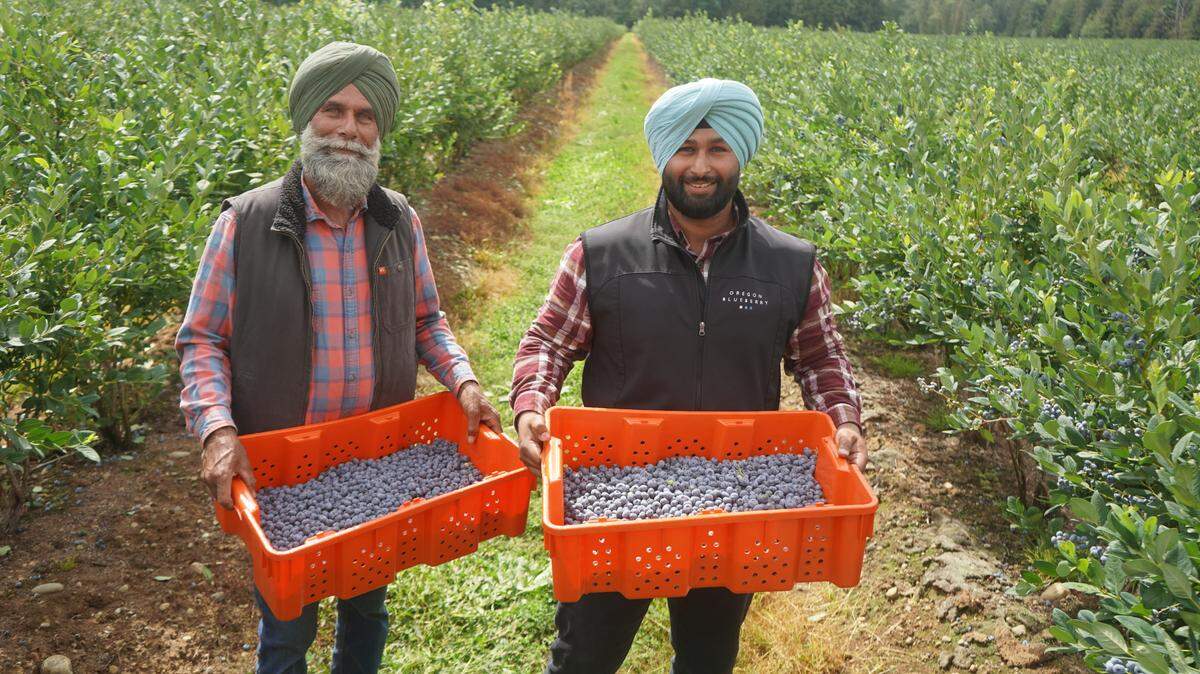
When Amarjit Brar and his brother, Mehar, came to Washington close to 40 years ago, they decided to do what they know best: farming.
Farming is in the blood of most Sikhs who were born and raised in Punjab, a region in India known for its bountiful agriculture and rural areas. Sugarcane, cotton, wheat and other vegetable crops are grown in Punjab’s fertile land, produced and exported.
Amarjit and Mehar grew up farming in the Moga area in Punjab before immigrating to the United States. Today, the family has land spread across Whatcom County, including in Everson, where their “Kissan Berry Farm” is located.
“Farming in the Punjabi community is important,” said Jiwan Brar, one of Amarjit’s sons who operates the farm. “When people come [to America], you do what you know how to do and what’s in your blood.”
In Whatcom County, the land is vast and less expensive. It is also the ideal place for berry production, something that the Brar family and several other Sikh farmers in the county specialize in.
Until about three years ago, the family grew raspberries on Kissan Berry Farms. Today, Amarjit and his two sons, and Mehar and his two sons, are blueberry farmers and work nearly around the clock from mid-July to September producing their crop of berries.
Jiwan, who was raised on the farm, said the Sikh farming community is small but tight-knit.
“I think when it comes to, you know, if you need to borrow equipment, if you need advice or financial support, I think everyone’s ready to help if someone needs it,” he said.
Jiwan said that his dad, Amarjit, is especially connected with the Sikh farmers in the county.
“You help your neighbor and your neighbor helps you,” he said.
This season’s harvest
According to the Washington State Department of Agriculture, the state is the top blueberry producer in the world. The farmers in Washington grow close to 90,000 tons of blueberries every year.
Blueberries are native to North America and were first cultivated for sale in 1916, according to the Agricultural Marketing Resource Center. The United States is the world’s largest producer of blueberries, which are highly perishable and must be sold quickly.
In 2021, average market prices for cultivated fresh blueberries were $2.16 per pound and processed blueberry prices were $0.83 per pound. The average market price for fresh and processed wild blueberries was $1.49 per pound, the AMRC reported.
At Kissan Berry Farms, the Brar family works every day to harvest, cultivate and sell the berries alongside about 20 of their employees who help out seasonally.
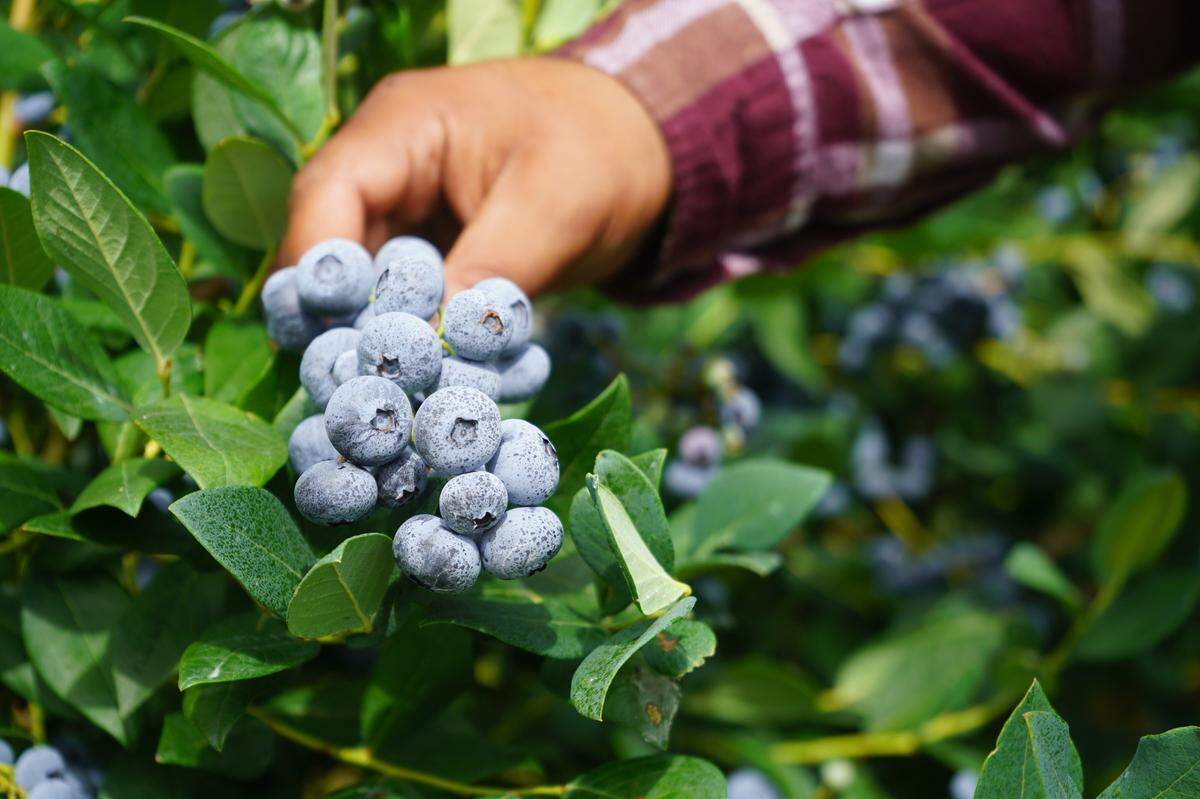
“With berry farming it’s all seasonal work. With raspberries looking back, growing up it’s like after we get done picking, you kind of take the winter easy a little bit more,” Jiwan said. “With blueberries it feels like we’re working almost year round. During harvest time we need all hands on deck. In the fall and winter it’s a little bit slower.”
Jiwan said that this season production has been down. Last year, the production was bigger and the blueberries were better in size.
“This year’s production has been down from what was projected and what was produced last year,” he said.
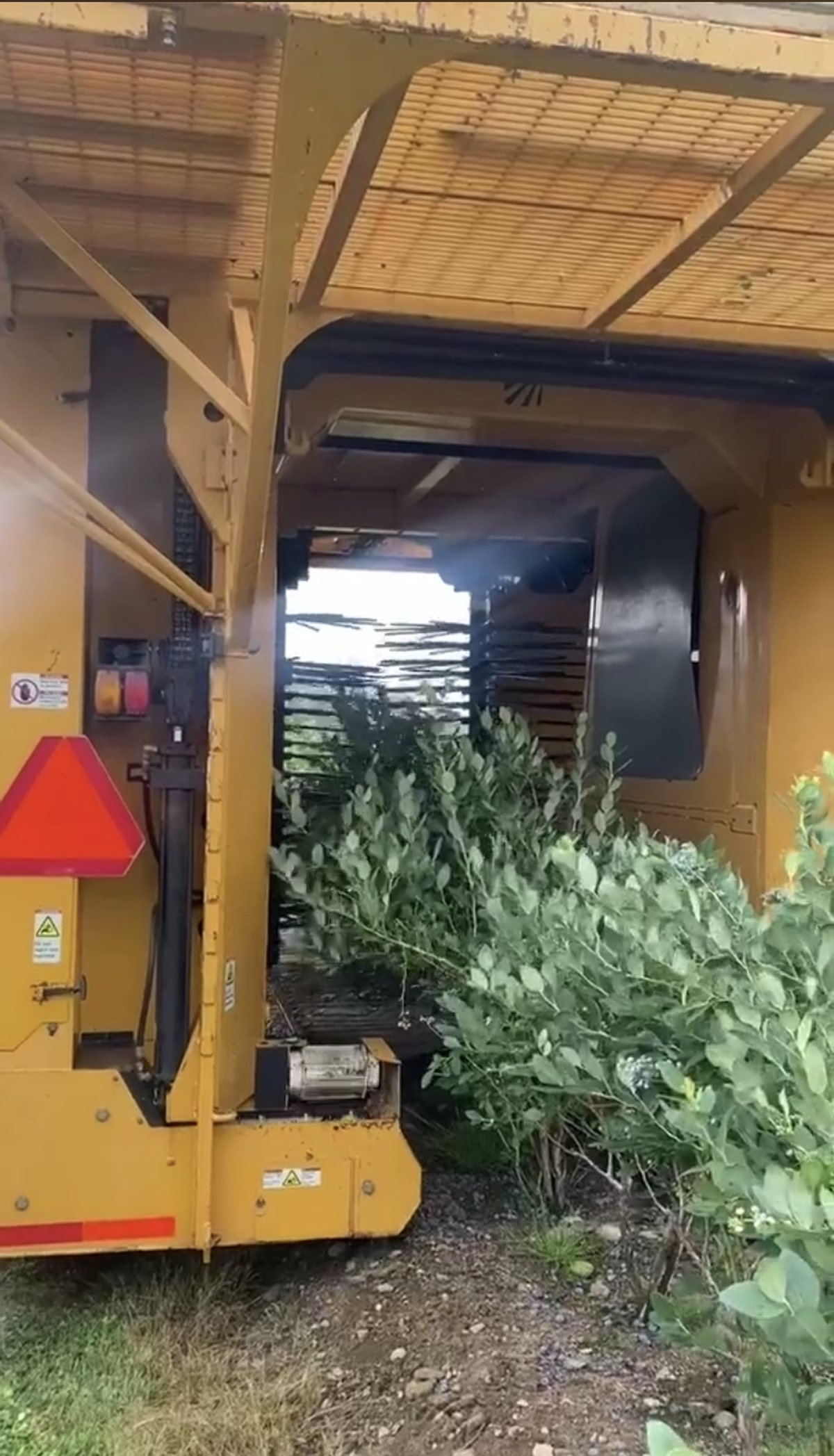
Jiwan said it is hard to say why the production is down, there are several reasons that could possibly contribute to that. In his opinion, Jiwan said it could be the late hot fall season they had that went into winter last year.
“So it was super hot, we had 70 degree days in late October,” he said. “And then the first week in November, we had a cold snap.”
Jiwan said the yield being down is just how it is for Kissan Berry Farm but it could be different for other farms in the county.
Nine varieties of blueberries
Rob Dhaliwal is a Punjabi farmer and board member of Whatcom County Farm Bureau. He grows raspberries, blueberries and blackberries on his farm called Samson Farms LLC in Whatcom County.
“We have nine different varieties of blueberries on the farm, they all vary a little bit. And so the yields are about the same as last year, others are down. So that just varies from yield to yield,” said Dhaliwal, who is the operations manager.
Dhaliwal said they farm about 400 acres and 12 to 15 hours of work a day are put in during the berry season.
While raspberries are still profitable for his farm, Dhaliwal said that blueberries this year took a bit of a turn in terms of profits.
“Blueberries this year kind of ... started going down because there’s a lot of carryover, you know, product inventories from 2022. It seems like they’re going to be a little bit better than what we expected but not as good as last year.”
Once the blueberries are picked at Kissan Berry Farm, they go to the fresh and frozen markets to be sold.
Jiwan said it is difficult to do anything outside of farming during the berry season. He said that they would go to the gurdwara before the season and will have to wait until it is over.
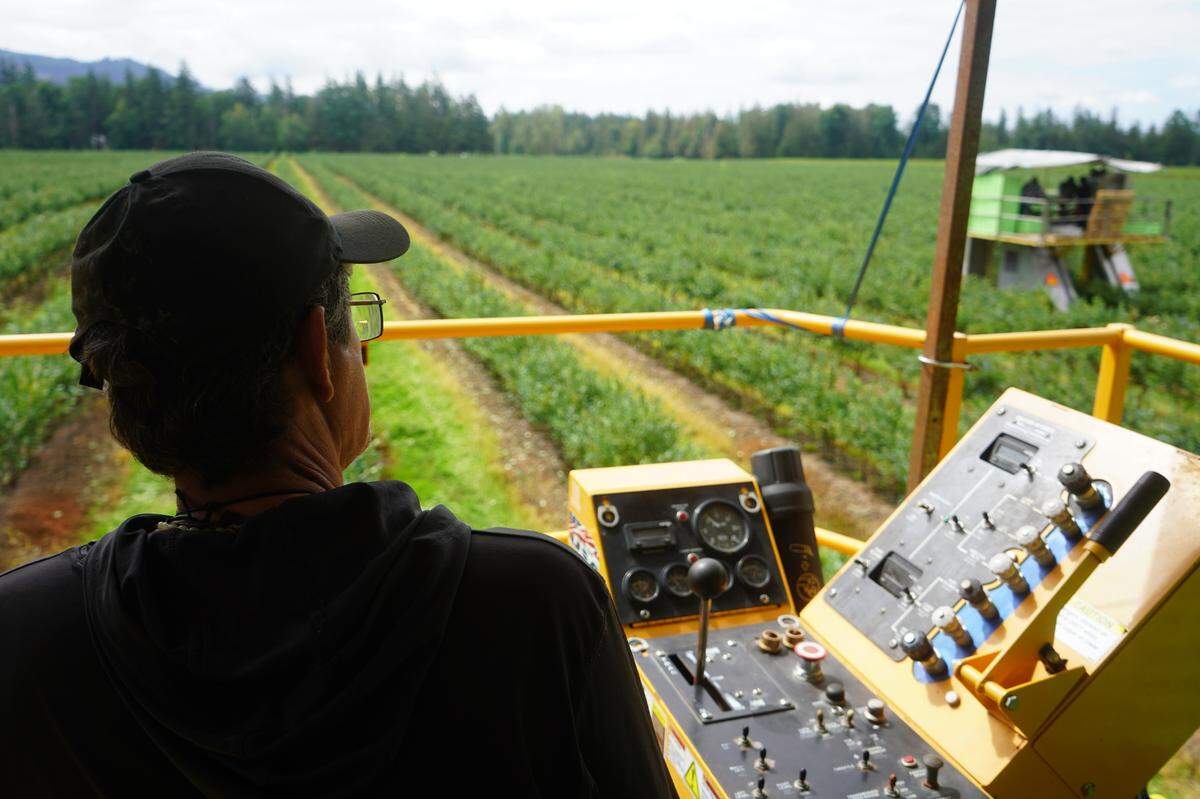
However, the work on the farm is worth the effort and long days for the Brar family.
Jiwan said a quote he relates to is one by President John F. Kennedy: “The farmer is the only man in our economy who buys everything at retail, sells everything at wholesale and pays the freight both ways.”
This story was originally published August 19, 2023 at 5:00 AM with the headline "Punjabi farmers in Whatcom County help make Washington the top producer of this crop."