
Cold cases involving Indigenous people would get special team under WA legislation
For a year and a half Kathryn Arabia has been on the search for her niece, Amanda Corpuz Green, who went missing in Tacoma. The search has stalled, leaving Green one of thousands of missing Indigenous women in the country.
House Bill 1177 is making its way through the Washington state Legislature, which seeks to create a cold-case unit in the Attorney General’s Office for missing and murdered Indigenous women and people.
The goal of the bill is to expand resources available to law enforcement, medical examiners and other agencies for cold cases. The unit also would prioritize assistance to jurisdictions that do not have enough resources to investigate cold cases.
The estimated cost of the bill would be $2,272,000 and would come out of the state’s general fund.
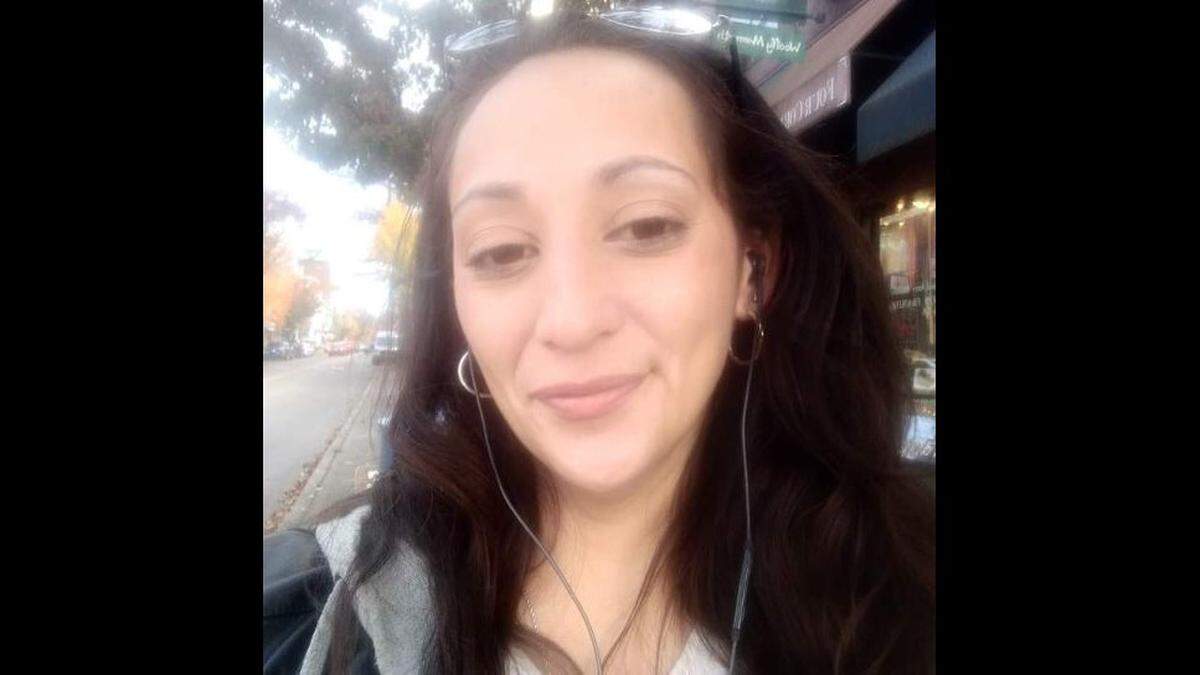
Green, who was 37 at the time of her disappearance in June 2021, is a registered member of the Cherokee Nation Tribe. She was last seen in Tacoma within the Puyallup Tribe’s reservation boundaries.
When Green went missing, she had relapsed after years of being sober and was homeless. Green was thought to be about three or four months pregnant when she went missing, Arabia said.
After Arabia discovered her niece was missing, she attempted to file a report with the local tribe in Tacoma, but they declined because she was not a member. Arabia then filed a police report with the Tacoma Police Department, which is now investigating the case.
In April 2022, skeletal remains were recovered in Pierce County. Arabia thought it was a potential break in the case.
“They advised me that they were mostly skeletonized and that the individual was a female between 28 and 40 years old, approximately 5 feet to 5 feet 3 inches tall, and had at least one child. It was a female ... all of which the physical specs match my niece,” she said.
The forensic anthropologist told Arabia that the remains could have been there for upwards of five years.
“But given the fact that spring of 2021 was such a rainy, inclement weather pattern for us, it could have exacerbated the natural decomposition rate,” she said.
Arabia said through police reports they found out that Green had gotten food stamps and her EBT card was used following her disappearance.
Arabia said she and her daughter have been working to put her story out on social media so that her case is talked about and not forgotten. She said the legislation to create a cold case unit in the Attorney General’s Office is long overdue.
“Amanda has had very, very, very close social and cultural ties with the Puyallup Tribe, including powwows and canoe journeys,” Arabia said. “Amanda started coming with me to canoe journeys in the early ‘90s, with me and my children. She was married and is the mother of Alyssa and Green is her married name.”
Wendy Haddow, the public information officer of the Tacoma Police Department, said there are no updates on the case at this time.
The Legislation
Attorney General Bob Ferguson requested House Bill 1177 for the 2023 state Legislature. state Rep. Kristine Reeves, a Democrat from the 30th Legislative District, is one of the co-sponsors of the bill.
“This legislation affords us the opportunity to assist local law enforcement to really communicate the findings about victims with families, and most importantly, perhaps of all, to obtain justice for those who have lost loved ones and where justice is really long, long overdue.” Fergerson said during a public hearing on Jan. 17.
The bill states that the National Centers for Disease Control and Prevention found homicide as the sixth-leading cause of death for Indigenous women and girls, and the third-leading cause of death for Indigenous men.
“I think all too often women in our country, in general, experience unprecedented levels of violence, but as you know, Indigenous women experience them at triple the rate essentially, relative to their counterparts,” Reeves said. “And so it’s super important to me, both as a woman as a woman of color, but as a mom, to ensure that we are doing all that we can to create protections, both in our law and in our culture, that demonstrate how much we value women.”
The bill passed in the House with a unanimous vote on Feb. 28 and is moving to the Senate. If the bill gets majority votes there, it would move to Gov. Jay Inslee’s desk for his signature.
This story was originally published March 8, 2023 at 5:00 AM with the headline "Cold cases involving Indigenous people would get special team under WA legislation."