
What could a magnitude-9 quake do to Washington? Study predicts tsunami impact
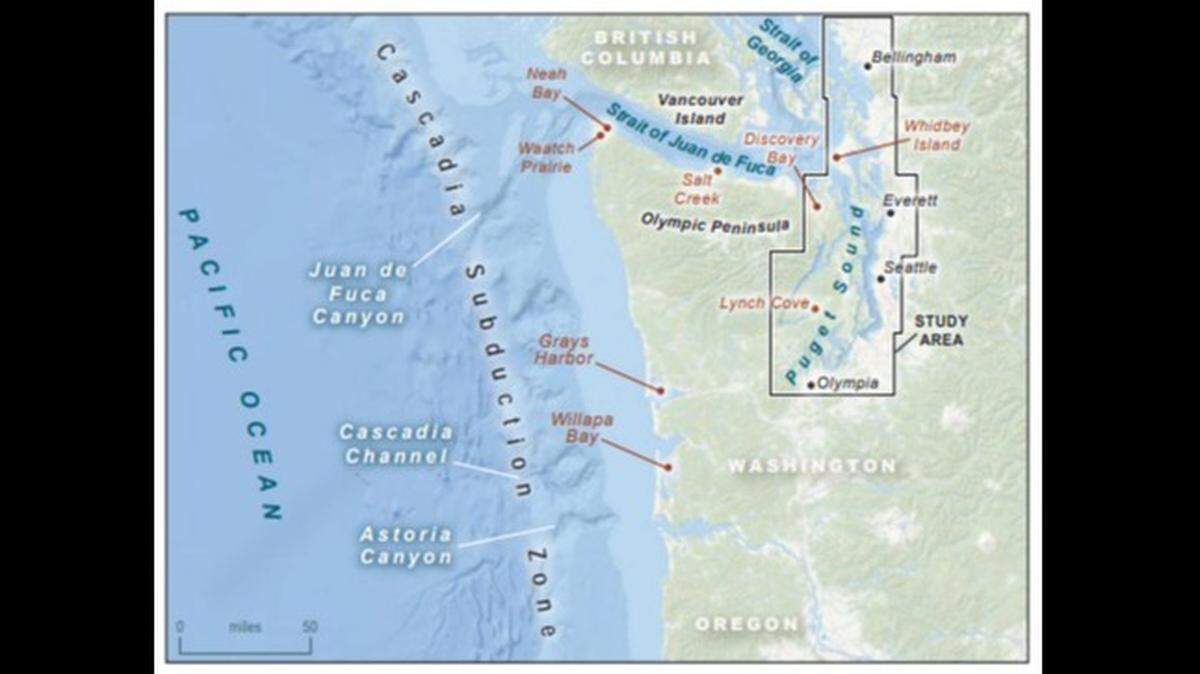
A tsunami triggered by a magnitude-9 earthquake off Washington’s coast could flood communities from Bellingham to Olympia, officials predict.
Models show some communities in the Puget Sound region could be inundated with as much as 13 feet of water, according to a study conducted by geologists with the Department of Natural Resources.
“Millions of people live along the Salish Sea, and knowing what to expect is critical to creating response plans so that we can be ready when – not if – an inevitable Cascadia mega-quake hits,” Hilary Franz, commissioner of public lands, said in a news release sent Tuesday to McClatchy News.
The new study shows “for the first time, the impacts that a magnitude-9 earthquake on the Cascadia subduction zone would have on Puget Sound communities,” the release said.
Previous modeling demonstrated the impacts the “Big One” would have around the Bellingham/Anacortes area, but the model was expanded to include Oak Harbor, Port Townsend, Everett, Seattle, Tacoma and Olympia, said department spokesman Joe Smillie.
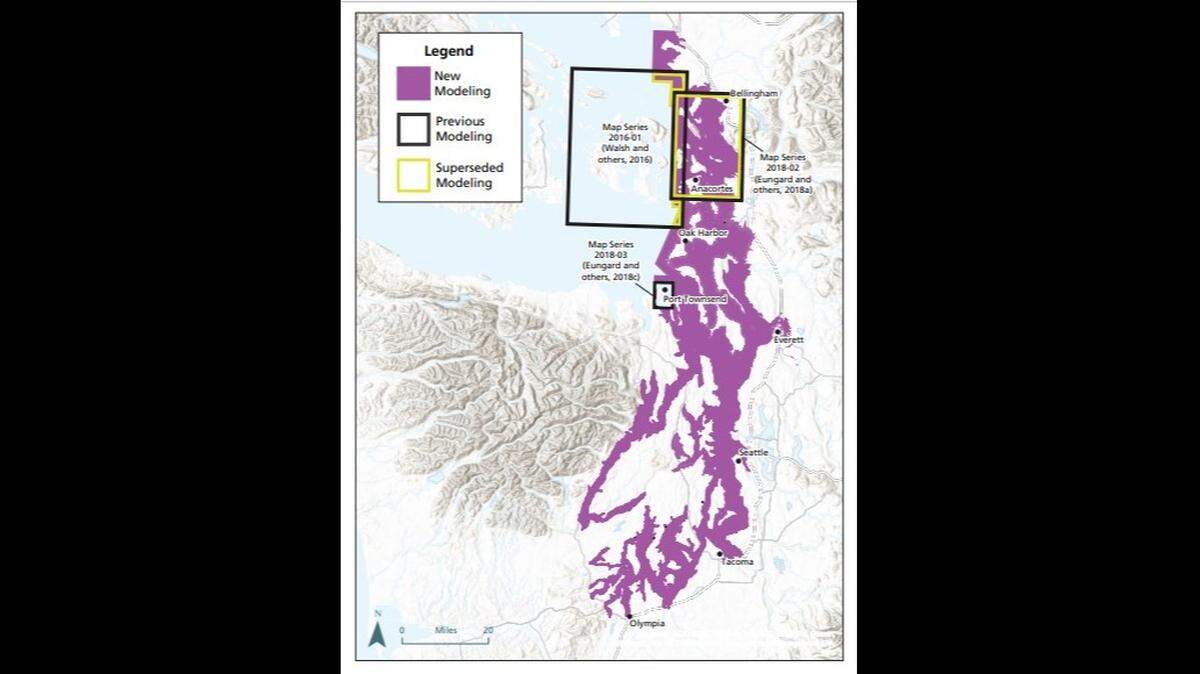
The first tsunami waves would hit Whidbey Island about an hour and a half after the earthquake, and the inland Puget Sound would be affected two to four hours later, according to the release.
“Wave activity may inundate shorelines for some 14 hours, with strong currents remaining in inland waters for more than 24 hours,” DNR said in the release. “The tsunami would first arrive as a trough, with sea levels gradually receding in all inner coastal waterway locations.”
Maximum inundation, or the depth of tsunami-induced flooding over dry land, would vary across the region:
Blaine Marine Park: 6.3 feet
Bellingham: 10.7 feet
Deception Pass State Park: 11.7 feet
Oak Harbor: 6.7 feet
Snohomish Delta: 5.7 feet
Point No Point Lighthouse: 7.7 feet
Harbor Island: 3.7 feet
Vashon Island Ferry Terminal: 13 feet
Port of Tacoma: 3.5 feet
Nisqually Delta Boardwalk: 2.9 feet
Port of Olympia: 6 inches
Oyster Bay: 5.7 feet
Belfair State Park: 6.2 feet
Dosewallips State Park: 3.1 feet
Indian Island Naval Magazine: 10.7 feet
Shine Tidelands State Park: 10 feet
The last Cascadia rupture hit 321 years ago and experts estimate there is a 10% to 17% chance another will occur in the next 50 years, according to the release.
“It’s our duty to put the training and knowledge of our highly trained geologists to work to make sure our communities can be prepared and safe,” Franz said in the release.
The model did not account for “tide stages or local tsunamis triggered by earthquake-induced landslides,” according to DNR.
“Local crustal faults may still represent a larger hazard for some communities,” the department said in its release.
This story was originally published April 27, 2021 at 4:14 PM with the headline "What could a magnitude-9 quake do to Washington? Study predicts tsunami impact."