
I-976 derailed work on dangerous Pasco tunnel. Can city leaders get it back on track?
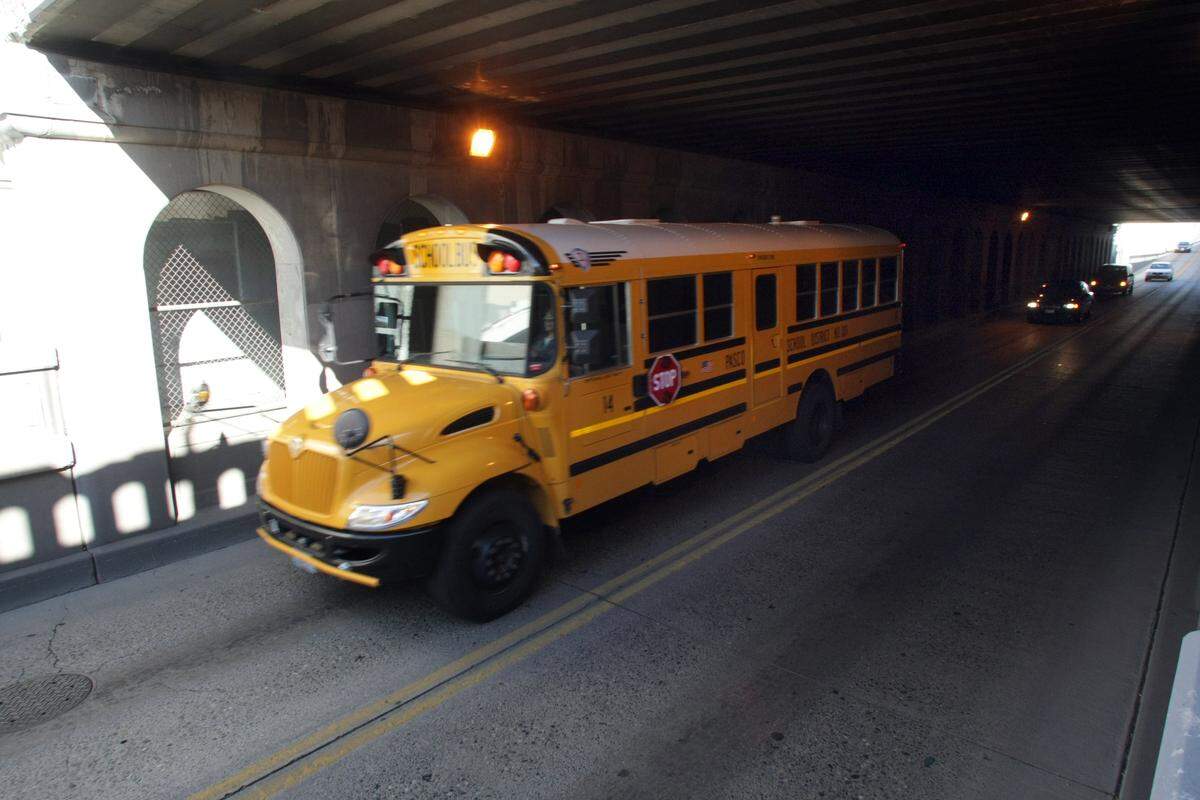
About 15,000 people call east Pasco home, and every day they must drive through an “unsafe, dilapidated and functionally obsolete railroad underpass.”
That number doesn’t take into account people who also work at or visit the schools and businesses or the firefighters and paramedics stationed on the eastside, says Pasco City Manager Dave Zabell.
Pasco needs to do better for its residents and visitors, says Zabell, but that means the state must do its part and follow through with its $13.8 million commitment so the city can at last replace the Lewis Street tunnel with an overpass.
“It is a 1930s underpass that is far beyond its useful life. It is failing and on the verge of dong so,” he said.
“The concrete safety railings are literally crumbling. The 90-year-old rebar is poking out all over the facility. And periodic closures are necessary to clean the roadway because concrete falls into the roadway,” said Zabell.
The project that has been in the works for years is essentially shovel-ready and just one month from going out to bid for a contractor.
But the city had to put the brakes on those plans after Gov. Jay Inslee announced statewide transportation construction projects not yet underway would be delayed following the passage of Initiative 976.
The initiative limits annual car tab license fees to $30 and makes other changes.
“Sitting on a project of this magnitude literally costs about $100,000 a month of construction and inflation,” Zabell told the Herald.
That works out to $1.2 million a year with inflation at 5 percent, and typically projects will get a lower price when they go to bid early in the season, he said.
State project review
Inslee’s review of which multi-million-dollar projects would go forward included issues such as safety.
That’s what has Zabell surprised Pasco didn’t make the cut.
“I think that anyone in the Tri-Cities familiar with the Lewis Street underpass would consider that a very necessary project,” he said. “For those of us familiar with the project and living with it every day, it’s perplexing (Pasco didn’t make the short list) as the primary need for this project is and always has been safety.”
From the obsolete design with narrow lanes to the failures and safety problems accruing with every day that passes, the facility long ago served its purpose and can be a safety hazard for anyone who uses it, argues the city.
“The safety of thousands literally is depending on this facility, as well as millions of square feet of industrial and commercial property in the area,” he said.
Zabell traveled to Olympia for the start of the legislative session to campaign for Pasco and express how delaying the project will hurt the entire region.
He spoke before the House and Senate transportation committees, recognizing that maybe a handful of the members have actually driven through the underpass.
“I respect that the governor has got a big job trying to fill the hole of what 976 created in terms of the overall transportation budget,” he said.
And while the underpass is immensely important to the Tri-Cities community, in the grand scheme of the entire state it might not be as huge a project as others, he said.
Zabell said he knew the way to help legislators understand why the project is so critical was to share the impact the underpass is having on people.
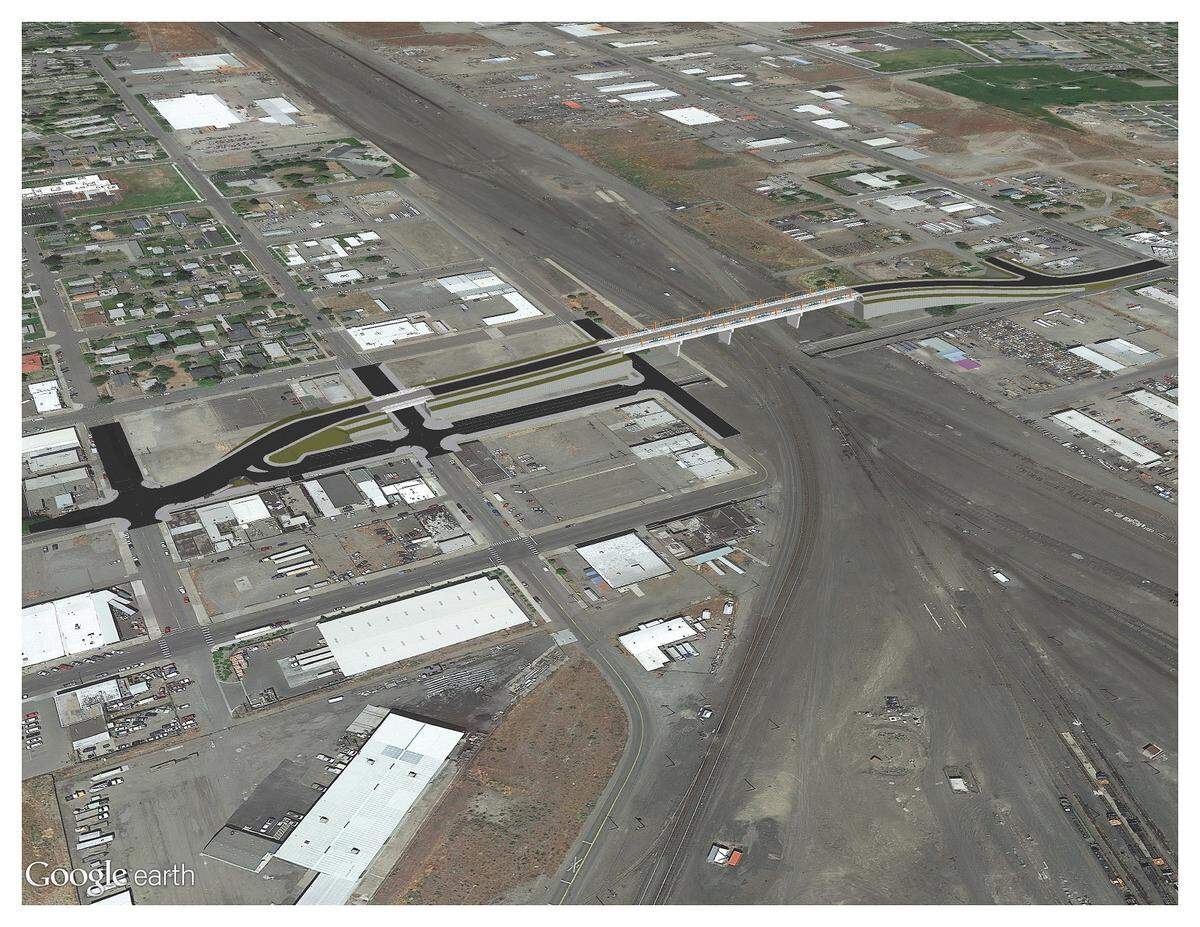
In the end, he urged lawmakers to restore funding for construction of the overpass, which will be located just to the north of the tunnel.
Re-routing Lewis Street
Construction costs to re-route Lewis Street over the train tracks will run about $25 million.
Buildings in the new overpass zone were demolished a few years ago The construction project is expected to take about 1 1/2 years.
Pasco has received two competitive state grants and money from Connecting Washington, which is generated by the gas tax.
That funding was allocated by the Legislature two years ago, but just under $14 million of it is now on hold due to fallout from the car-tab initiative.
The city also scraped its coffers to contribute $4 million to $5 million, he said
Zabell says the city had been prepared to start advertising for the bid in February.
Now it must wait to see how the governor’s supplemental budget moves through the short legislative session and what Inslee does in the end for these transportation projects.
Zabell was quick to add that the project hasn’t technically been delayed yet and the clock really won’t start ticking until March or April, but city officials no longer are confident they will be able to move forward in the next couple of months as planned.
“If we get the money restored, no harm, no foul to the project, other than it’s a lot of work (and) we could have been doing something else,” he said. “There is some angst.”