
City gets big win in court battle over cleaning up Richland ‘junkyard’ house
AI-generated summary reviewed by our newsroom.
- Judge Howell's court order gives city officials power to clean 2100 Pullen Street.
- The court order lets the city clean 2100 Pullen Street once a contractor is found.
- City estimates the cleanup and street work will cost between $265,000 and $295,000.
Richland officials cleared the final legal hurdle to remove mounds of debris surrounding one of the best known Richland public nuisances.
Judge Andrew Howell told the owner of 2100 Pullen Street that he had years before Friday’s hearing to clean up piles of construction materials, wire shelving, propane tanks and other items. Even before a 2-alarm fire tore through the home in June.
“Words would appropriately fail to describe the state of your properties,” Howell said. “The property is well known throughout our community. ... The opportunities you have been given have failed every time.”
Homeowner Taylor Knipp represented himself during the hearing. He spent about 20 minutes asking for more time to clean the property and interrupted the judge multiple times. Then stormed out of the courtroom after he failed to convince Howell.
The court order gives city officials the power to clean up the property as soon as they find a contractor willing to do the work, Richland’s City Attorney Heather Kintzley told the Tri-City Herald.
The total project, including the regular clean up of the street in front of the home, is expected to cost between $265,000 and $295,000, court documents said.
“The city’s procurement team is working on the documents and we expect to have the project posted by Monday,” Kintzley said. “The city will move as promptly as possible to execute the warrant of abatement.”
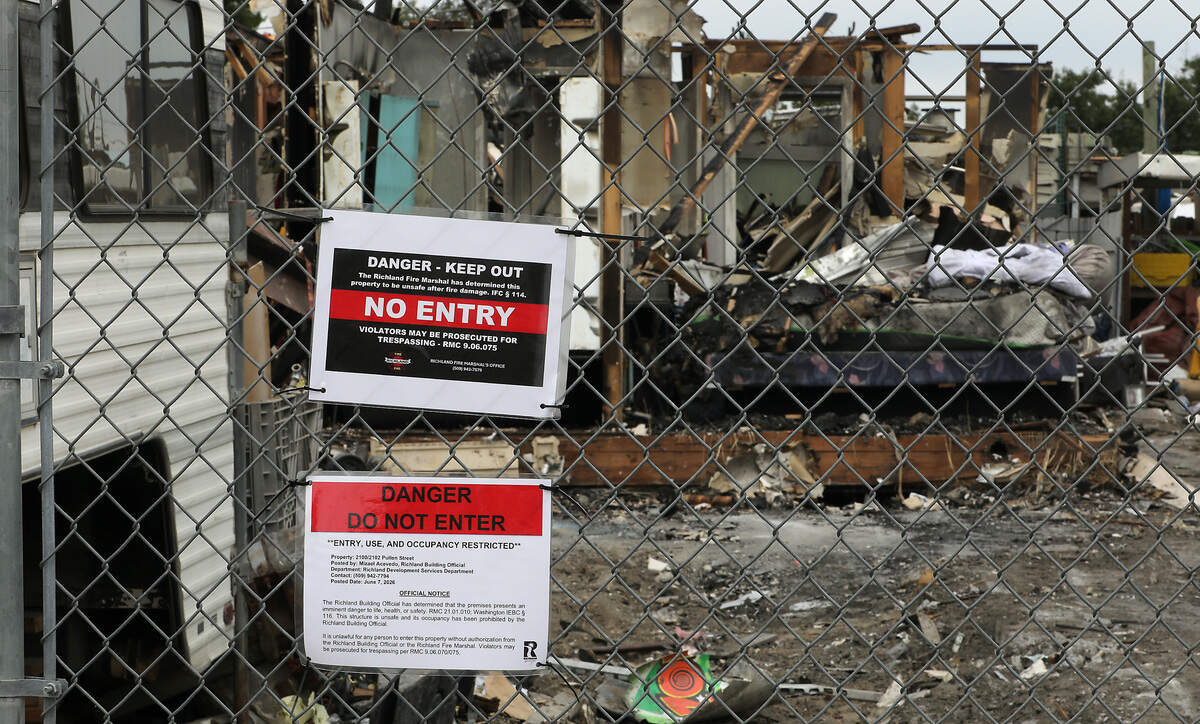
The decision followed more than two years of legal wrangling surrounding one of Richland’s most notorious properties. The city had been eyeing cleaning up the property even before the June 4 fire tore through the property.
Knipp owns several other residential properties and previously ran a home inspection business and tried to start a car lot.
He had owned the property with his now ex-wife Jacqueline Knipp. But she gave the property back to him during the divorce. The case against her was dismissed on Friday as well.
Knipp said during Friday’s hearing that a combination of mental illness and financial problems from his divorce and failed business had stopped him from cleaning up the property. He asked for more time to clear away the junk.
“I know that the picture that he’s painting, it doesn’t look very good, but it’s not like I haven’t been trying,” Knipp said. “When I’m feeling down I’m going to find some things. I have good intentions and most of it is building materials.”
He had intended to use the material to build tiny homes he said.
The growing problem
The property at Pullen Street started to become a problem in 2024 as Knipp started bringing more and more items onto the property, according to the city’s attorney Ken Harper. The city began trying to get the property cleaned up in 2024.
But even as the city tried to get Knipp to clean up the site, he continued to add to it through 2025.
The city sued Knipp last fall to get the authority to remove the debris. The Constitution protects people’s properties from the government coming in and taking items, so there is a lengthy process to get a court order to require it.
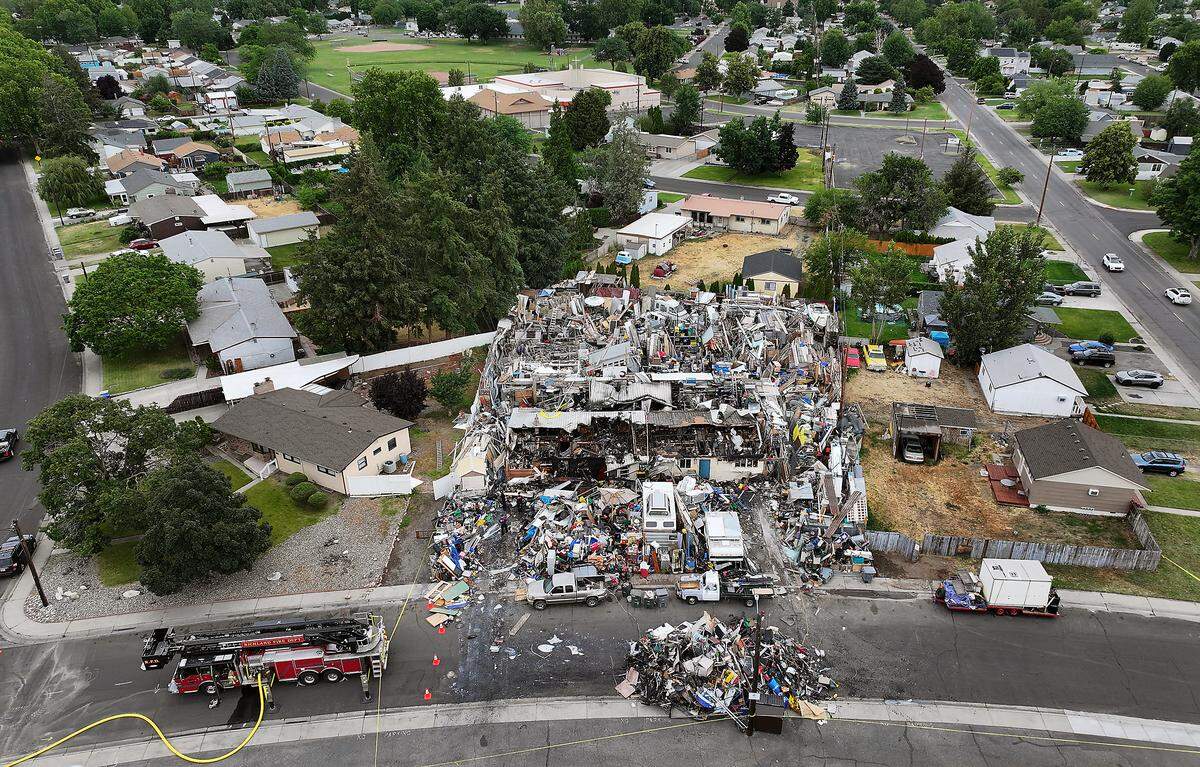
The case was briefly paused in January when Knipp asked for an Americans with Disabilities Act accommodation.
The ADA process concluded in May and the city planned to seek another hearing, but the June fire threw off the schedule for court hearings.
As the pile spilled out onto the street, the city had to hire clean up crews to remove the garbage from the right-of-way. Even as they cleaned the area, Knipp added more, and blocked the road. In total the city spent about $90,000 to remove the items, according to court documents.

Pullen house burns
Harper said the public was fortunate that the blaze, which destroyed the home, was not worse.
Fire Chief Randy Aust said in court documents that firefighters had a hard time containing the blaze because they couldn’t safely approach the home.
As they cleared away debris from the home following the fire, officials found multiple propane tanks, several 55 gallon drums, vehicle engines, leaking air conditioners and multiple gas cans.

Knipp said in court that the danger the property caused was smaller than the city made it sound like. Most of the propane tanks and gas cans on the site were empty.
The piles surrounding the home were as large as 10 feet high, court documents said.
“While the fire resulted in the removal of some of the materials on the property to allow for firefights to access the structure and ensure that no hotspots remained, there is still and extensive quantity of material on the property,” Aust said in court documents.