Shelter tightens rules for dog volunteers after they pushed for policy changes
AI-generated summary reviewed by our newsroom.
- Tri-Cities Animal Shelter restricted access to isolation and behavior areas to staff only.
- Shelter leaders cited staffing adjustments and a vet recommendation for the restriction.
- Volunteers plan a July 2 community meeting to discuss shelter policy and oversight.
Dog shelter volunteers said the Tri-Cities Animal Shelter has introduced new restrictions after they called for policy changes for dogs with behavioral issues.
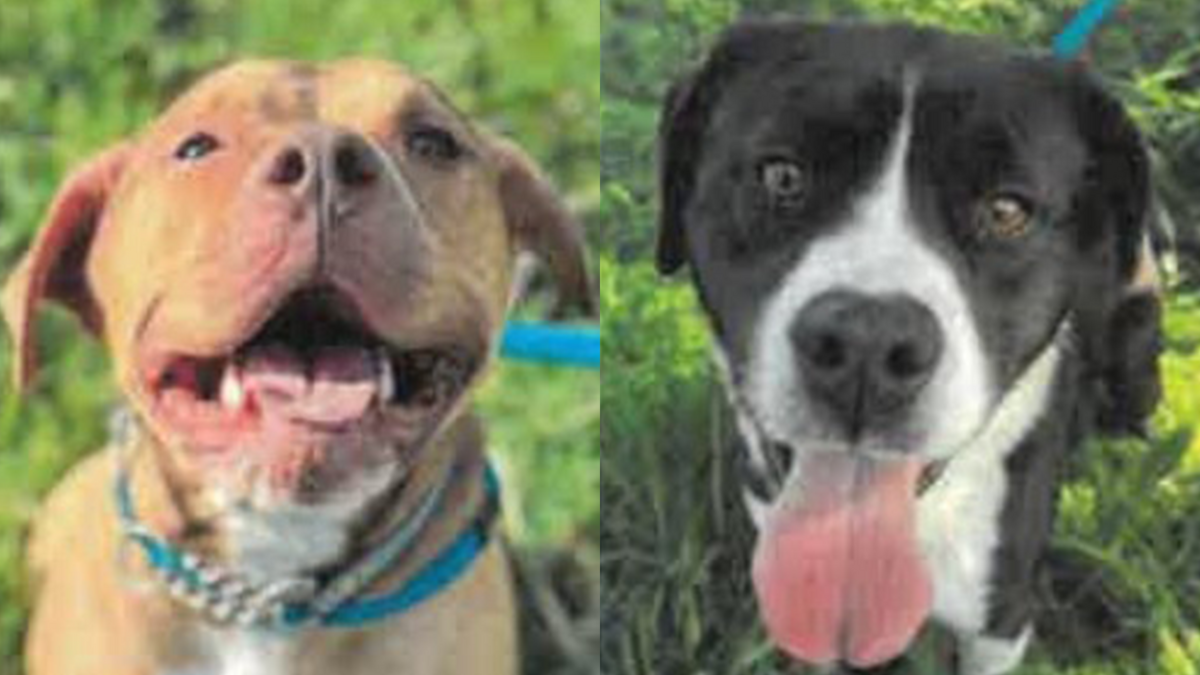
The controversy began when volunteers urged Pasco officials not to euthanize Russ and Stan, a pair of troubled dogs that had been at the facility for a year. Volunteers and rescue groups were working to get the two – both with a history of biting people – into a rehabilitation program.
Under its policy, rescue organizations are given a limited amount of time to take custody of such dogs before they are euthanasia.
Volunteers argue the 10-day time period is too short and are urging the city to change the policy.
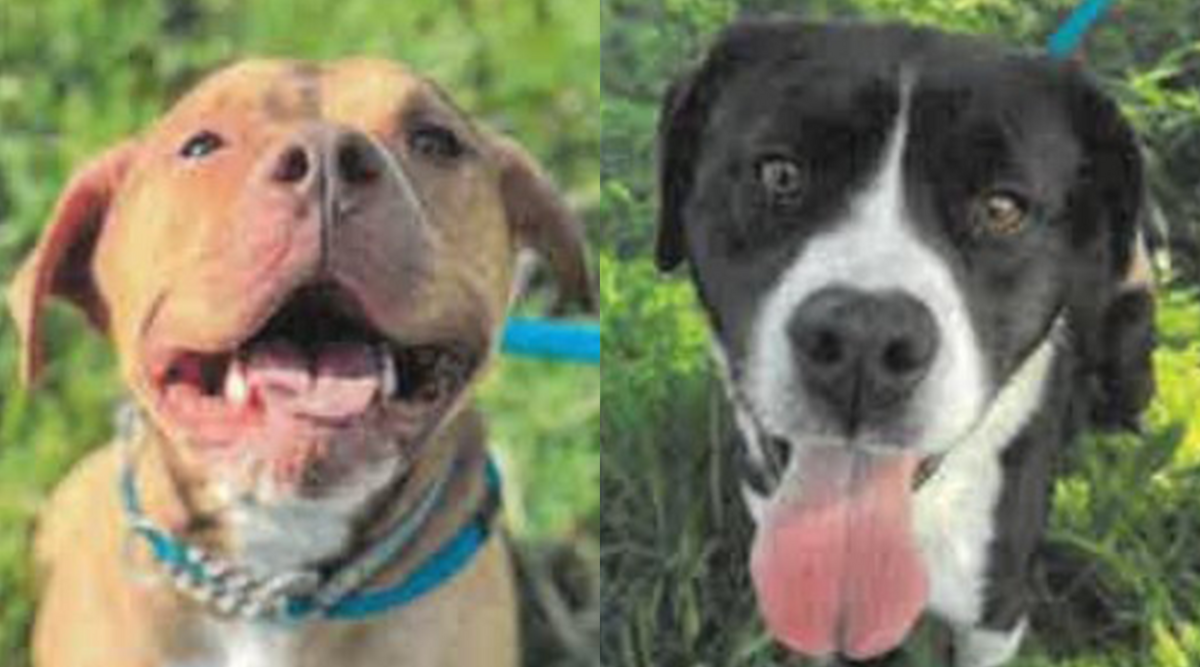
Rescuers packed Monday’s council meeting to ask the city to let Stan and Russ remain at the shelter until July 13, when they were scheduled to start a board-and-train program at The Good Dog Way company, in Gig Harbor.
Pasco officials denied the request, saying they could not make an exception because the shelter operates under policies developed with Kennewick and Richland officials.
In the end, S’more Dogs Rescue were allowed to take Russ, while Pit Bull Pen agreed to have Stan. Both dogs left the shelter on Tuesday, June 23.
How volunteers learned about the change
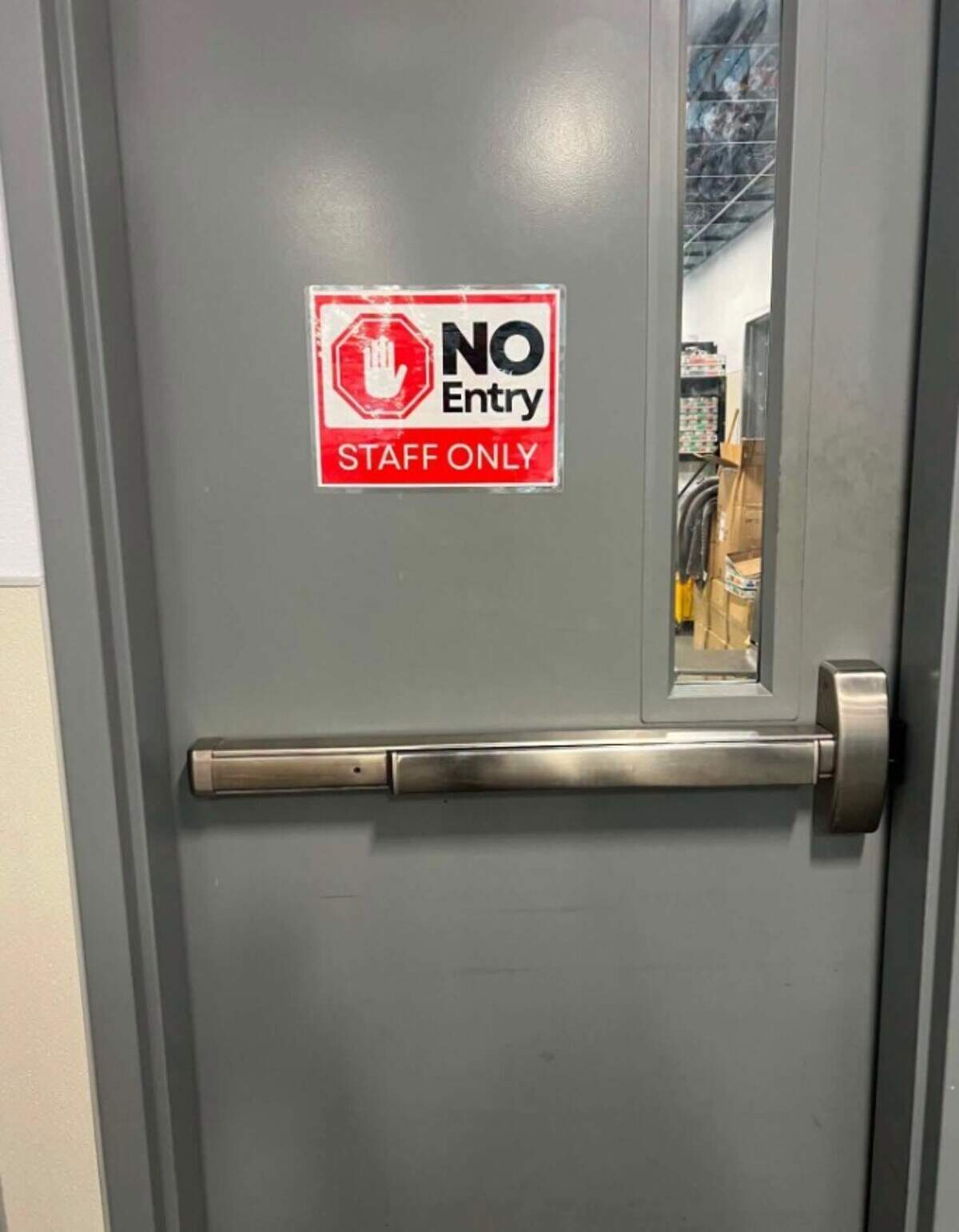
The next day on June 24, when volunteers arrived for their usual shifts they found a large red sign reading “No Entry. Staff Only” posted on the door leading to the areas that house isolation and behavioral issues dogs.
“We’re no longer allowed to walk them … this really affects the volunteers emotionally,” said volunteer Robert Di Piazza, who has volunteered at the shelter for two years. “There used to be a blue sign. It was friendlier and let visitors know they shouldn’t go back there because those dogs are not for adoption.”
He said about 10 volunteers regularly walk dogs with behavioral problems.
Di Piazza confirmed Friday that volunteers still have access to help with all other dogs available for adoption.
City manager Harold Stewart confirmed that the area is now restricted to staff only, according to an email with responses from shelter staff that Councilman Leo Perales posted on Facebook.
Stewart’s email said two dogs in the shelter’s medical holding area had not improved while being walked by volunteers. As a result, the shelter’s full-time veterinarian recommended that only employees care for those animals.
“This approach provides greater consistency in handling and observation, which supports more accurate diagnosis, evaluation of treatment effectiveness, and determination of appropriate care options,” said the email.
Volunteers began walking the dogs after the new shelter opened in early 2025 because of staffing shortages, according to the email.
But now, “as recent staffing and structural adjustments have been implemented,” staff responsibilities are being realigned to “ensure consistency in care, support veterinary oversight, and reduce organizational risk exposure,” he wrote.
The email does not explicitly say that shelter employees will take over walking those dogs. It only says they will provide “enrichment and socialization” for them.
The Herald could not reach Stewart on Friday about the changes.
Di Piazza said volunteers also noticed that several whiteboards in the volunteer room had changed. The boards previously listed the names of dogs housed in the restricted area and the kennels they occupied.
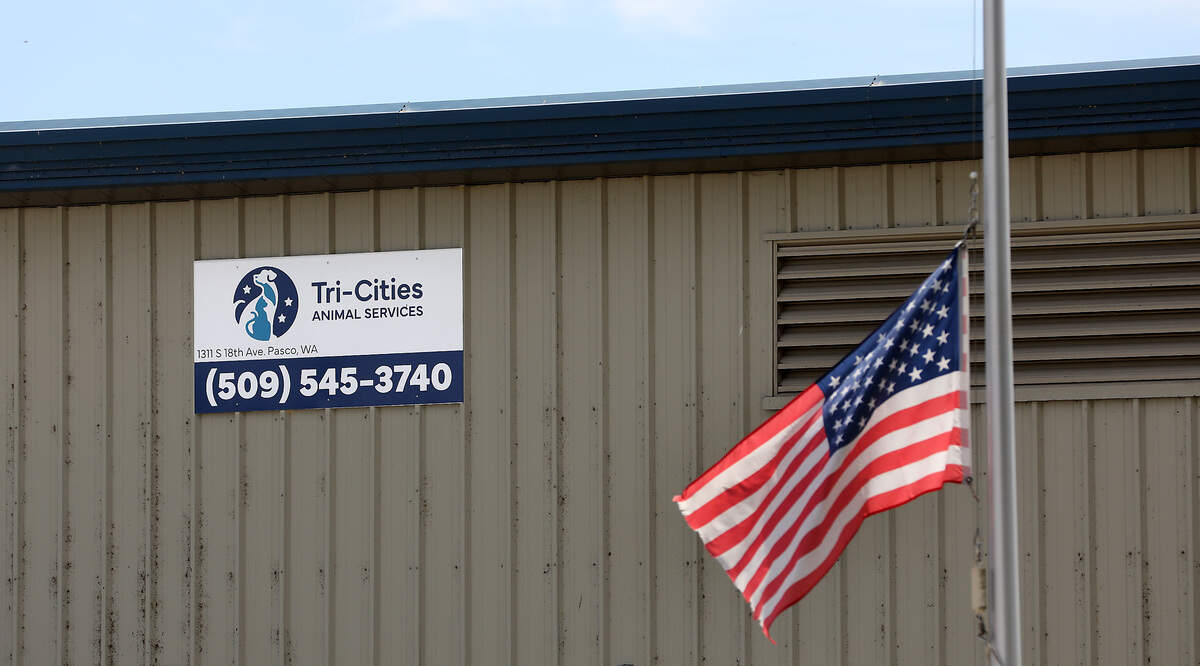
“The one that was always up that was for the back room area has now been wiped clean,” he said. “We have no idea what dogs are back there. Plus, inside that back room the veterinarians and the staff make notes about the dogs and their health issues. We’re no longer privy to that information.”
The last time Di Piazza entered the area where dogs with behavioral problems are housed was on Monday, June 22, two days before rescue groups took custody of Stan and Russ.
He said he went in to take Russ for a walk and saw two other dogs in nearby kennels: Adonis, a large Rottweiler, and a Siberian husky that had recently arrived at the shelter.
The last time he walked Stan, Di Piazza said he also saw two dogs in the isolation area. One had just been admitted to the shelter, while the other had an ongoing cough.
Volunteers demand an oversight board
Volunteers and animal rescuers plan to meet at 6 p.m. on Thursday, July 2, at the Pasco Library, 1320 W. Hopkins St., to discuss the changes they want to see made to the policies at the Tri-Cities Animal Shelter.
Any changes would need to be approved by the Tri-Cities Animal Control Board, that administered the shelter and represents Pasco, Kennewick and Richland.
Because of that, organizers say one goal of the meeting is to discuss creating an oversight board that could allow Tri-Cities residents to review the shelter’s operations and hold its management accountable.
But they acknowledge the process would likely take time.
“Is it going to happen soon? I would say no. That’s why we need to have this first community meeting of many over the next, I would say, six months to probably spearhead this,” Perales told the Herald.
Jessica Bolyard, founder of S’more Dogs Rescue, told the Herald that volunteers and animal advocates had also planned to attend the Kennewick city council meeting June 23 to urge council members to support changes to policies affecting dogs with behavioral issues.
“A lot of people emailed and submitted comments (to the Kennewick city council) and I spoke with Kennewick,” Bolyard said. “They told me they wouldn’t be taking public comment at tonight’s workshop (June 23). They said everything that was submitted would be reviewed at the July 7 meeting.”