
WA law could limit a push for tougher sex offender housing rules in Pasco

AI-generated summary reviewed by our newsroom.
- Pasco seeks regulations to limit sex offender housing near families.
- City attorneys warn local rules can't make siting of these facilities impractical.
- Pasco council discussed a draft plan for how the city could limit the homes.
Pasco leaders are pushing to introduce regulations designed to prevent housing for “sexually violent predators” from being located near families.
But the city’s legal counsel warned that pressing for certain restrictions would make it impossible for the former residents of McNeil Island to have housing in the city, which could violate state law.
They explained that cities can only regulate where and how these homes will be built, but not forbid them.
“The law actually says that we can’t make it completely impractical to site one of these facilities,” said Pasco’s legal counsel Drew Pollom.
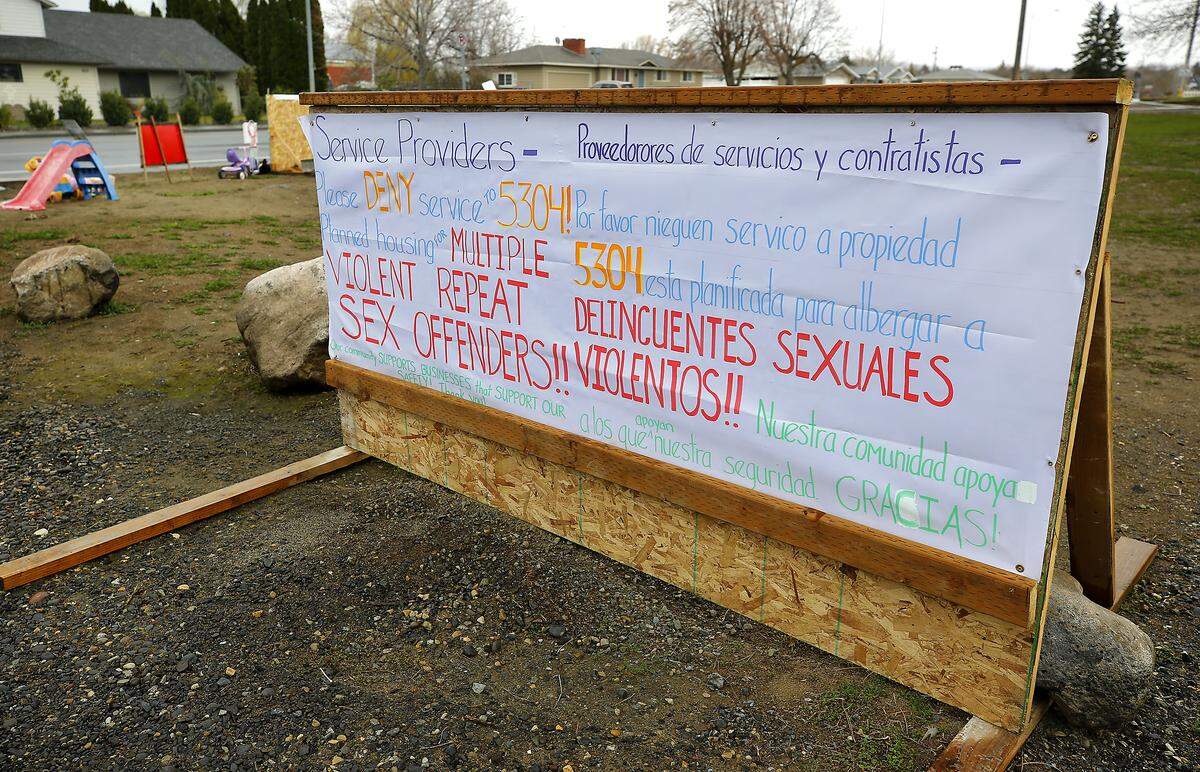
Limiting sex offender homes
The city council began in January to look for ways to limit where the transition homes for people being released from McNeil Island could be cited, without having to worry about the possibility of a facility being placed in Pasco. A delay on approving the new locations ends on Aug. 17.
The Richland City Council enacted a similar six-month moratorium on March 3 while it considers a plan. Kennewick is trying to get the state to limit the siting of those homes in communities.
The Pasco council plans two events to continue developing the regulations: a workshop June 22 and a public hearing July 6.
Officials began looking at the issue after a Walla Walla resident considered placing a home to accept the offenders in Kennewick. Strong opposition in the neighborhood forced the homeowners to back out and sell the house to someone else.
The Special Commitment Center on McNeil Island houses sex offenders who need additional mental health treatment after serving their prison terms. State law does not allow them to be held indefinitely, so state officials can place them in homes where they are monitored.
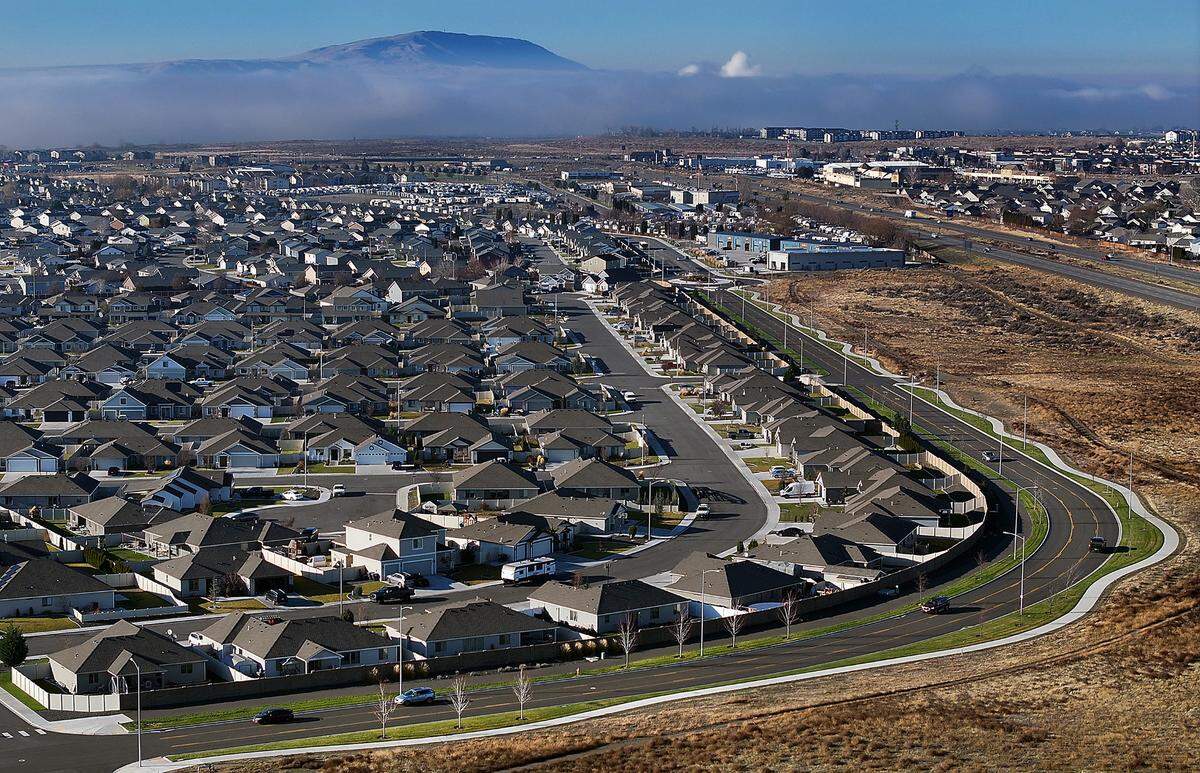
Pollom explained that housing for individuals designated as sexual violent predators and released under court approval falls into two categories.
The first one, Secure Community Transition Facilities (SCTFs), are state-run or state-contracted facilities that provide on-site supervision, security measures and treatment services.
The second, known as community housing, is operated by private providers and is considered a less restrictive option, with less state-mandated security and supervision.
Pasco’s plan for LRAs
Both types would have to be located a minimum distance away from schools, parks, child care centers and other places where children and vulnerable populations gather.
“The state law doesn’t provide us a lovely foot measurement to tell us what that means or what that is,” Pollom said.
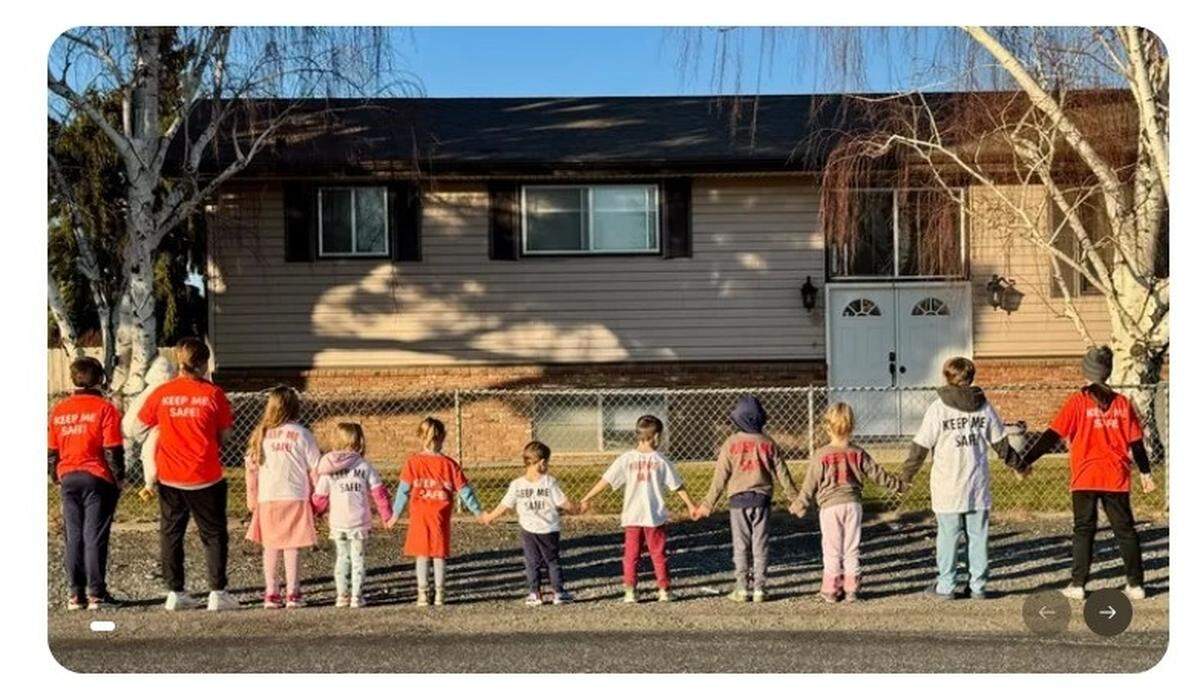
But state law prohibits individuals released to a Less Restrictive Alternative from living within 500 feet of child care facilities.
Building on that requirement, Pasco’s draft ordinance would establish a 700-foot buffer around schools, parks, places of worship, child care centers and other locations classified as “risk potential activities.”
Councilman Leo Perales proposed increasing the buffer to 1,000 feet and called for stronger security requirements, annual operational reviews and broader neighborhood notification requirements.
“I do like for us the idea of neighborhood notifications making sure that they’re aware of what can they do if something does happen, who can they call,” councilmen Abel Campos said.
Councilman Mark Figueroa asked whether public transit stops should also be considered protected locations because many students use them.
The city’s attorneys, Pollom and Daniel Kenny, said that the draft ordinance was intentionally built around categories already recognized by state law, which gives the city stronger legal footing for imposing buffers around those sites.
The more areas the city designates as high-risk zones, the more likely it is that these properties will find a place to be located, which could lead the state to interpret this as a ban.
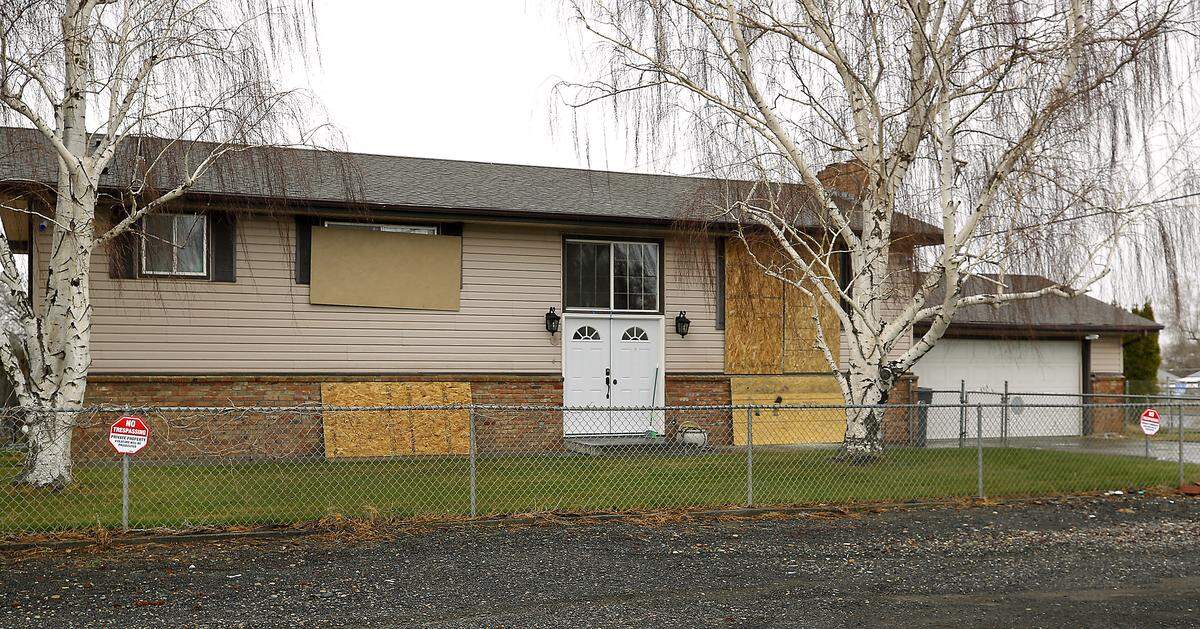
They said staff could explore where transit stops could be included, but cautioned that each additional protected location would further limit where the facilities could be sited.
Neighbors who attended the meeting opposed the presence of these housing facilities in the community.
Mayor Charles Grimm said they are going to continue working on the draft ordinance in order to ensure that these housing facilities are far from vulnerable communities.