Here’s why you might see security guards on Tri-Cities buses
AI-generated summary reviewed by our newsroom.
- Contracted officers, hired in December, begin patrols on buses and transit hubs Feb. 23.
- Board asked for a security plan after riders' and drivers' harassment reports.
- Board ordered clear emergency-call policy amid staff concerns about guards.
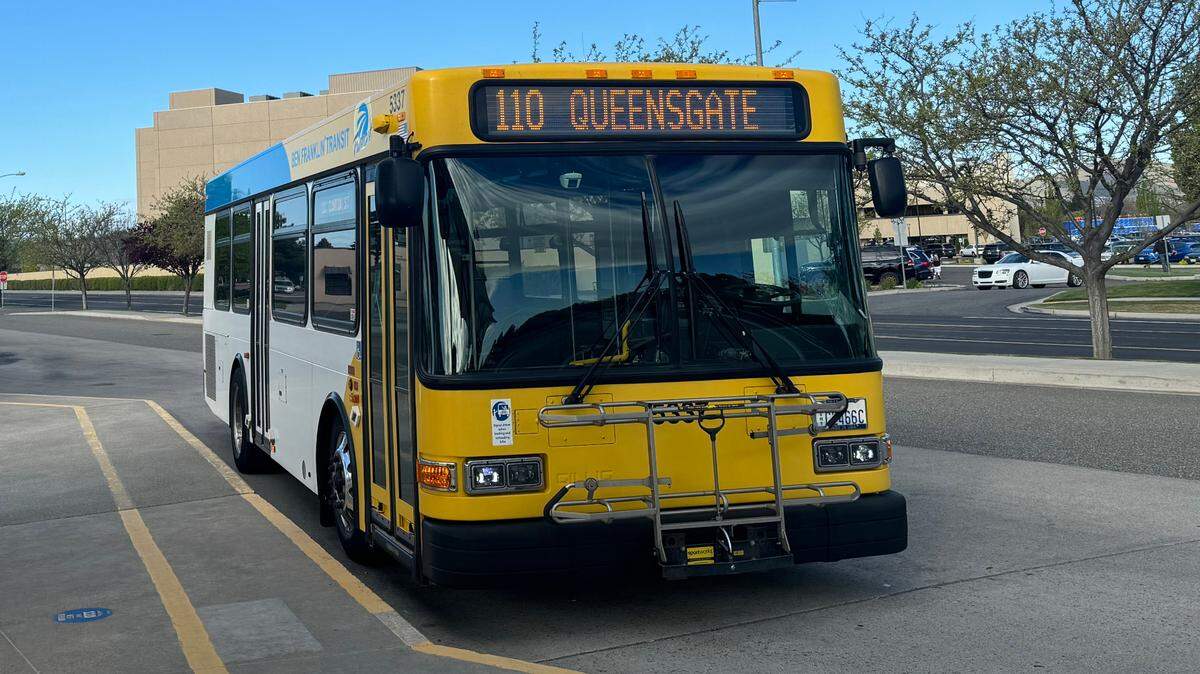
Ben Franklin Transit is starting to roll out security guards on Tri-Cities buses after pleas from both riders and drivers.
The move comes after the transit’s board of directors told interim CEO Brian Lubanski to come back to them with a security plan for the March meeting.
The security officers will begin randomly riding select routes, starting Feb. 23.
They also will conduct visible patrols of transit centers, buses and surrounding BFT properties, according to a news release from the agency.
“Ben Franklin Transit staff want to ensure the public understands that these are not federal ICE officers, but security officers employed under a contract with Phoenix Security Corporation, a local company,” Lubanski said in the news release.
A supplied transit photo shows the security officers will likely be wearing khakis with a blue jacket under a tactical vest.
“A primary focus of their duties will be conflict prevention and de-escalation,” Lubanksi said. “The transit security officers are expected to engage individuals respectfully while maintaining authority and professionalism.”
“Ben Franklin Transit staff believe that deploying security officers will contribute to a secure transit system that promotes public trust, employee confidence, and rider safety throughout the BFT network. Security personnel are widely used in the transit industry, particularly among larger transit providers,” said the release.
Why security is needed
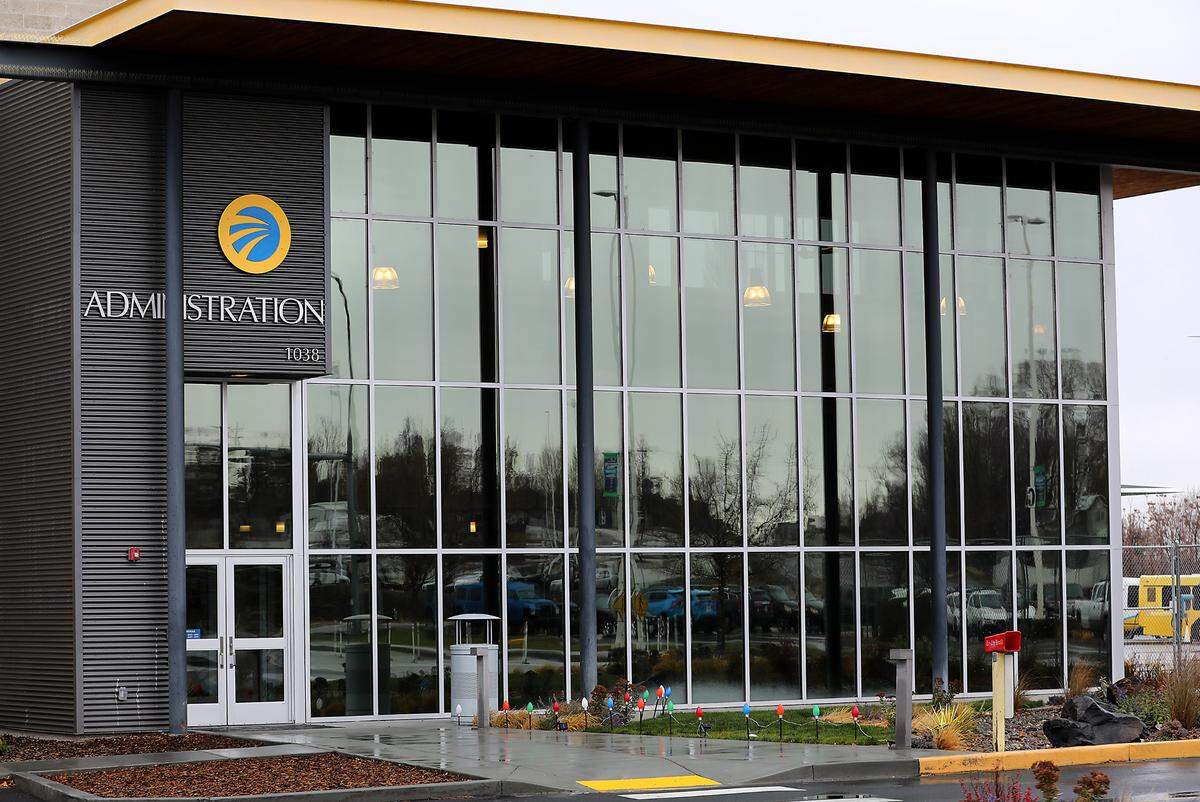
The security officers were already under contract, but stationed only at the agency’s office on Columbia Park Trail in the Richland “Y” area. They were hired in December.
At the time CEO Thomas Drozt told the board there was a plan to eventually move them to transit hubs and then onto buses, but he did not give further details.
Drozt has since been place on paid administrative leave while under investigation for financial misconduct claims made by the agency’s former finance leader.

A call to Richland police before that December meeting contradicted Drozt’s claim that the security was only at the meeting as part of a phased rollout.
A Transit manager told a dispatcher that they wanted a police presence at the meeting due to employee protests over the financial misconduct claims and workplace toxicity, noting that they had also hired security for that purpose, according to dispatch logs obtained by the Tri-City Herald under the Washington state Public Records Act.
Managers at the agency called Richland police on current and former employees and a union representative at least six times in a week around the December board meeting.
At that meeting, a frequent rider told the board during the public comment period that she had been harassed on buses and wanted something done about it. Drivers echoed her concerns, noting that one of the primary issues they faced was being unable to demand that riders pay the fare.
At the agency’s February meeting, a group of drivers reiterated these concerns to the board after a rider reportedly threatened to sexually assault a driver.
That driver was unsure of what to do, because an employee had recently been fired for calling non-emergency dispatch rather than 911. The same dispatchers answer calls to both.
The board also directed Lubanksi to give employees a clear policy on calling for help in an emergency, as part of the security plan.
Transit employees have complained during public comments at the meetings that the security guards were being used to intimidate employees and were not available when staff needed to walk across parking lots late at night or early in the morning. They also have claimed the security officers have been at meetings they were not asked to attend.