
Investigation finds Tri-Cities official violated WA law and port rules
AI-generated summary reviewed by our newsroom.
- Investigators found Scott Keller violated WA state law and port rules in four matters.
- Port commissioners censured Keller but declined action on other report findings.
- Port placed its executive director on leave amid related complaints and probe.
Port of Benton Commissioner Scott Keller will face few consequences following an investigation by outside attorneys that concluded he violated state law or port policies on four occasions.
The 21-page report obtained by the Tri-City Herald under the Washington Public Records Act is the latest sign of turmoil at the port.
In recent months the port based in Richland has:
- Put its executive director on leave as part of an unexplained investigation. Her attorney claims she is the victim of retaliation for taking complaints against Keller to the board.
- Been notified by the city of Richland that some of its airport tenants have illegal connections to city water.
- Lost an 18-year incumbent from its three-member commission when he was defeated in a bitter race in the November general election.
- On Monday, Feb. 2, a special meeting at 8:30 a.m. has been called for the purpose of evaluating and potentially firing an employee, according the agenda made public on Friday.
Last fall, the port hired lawyers in the Portland and Vancouver offices of the law firm Schwabe, Williamson & Wyatt to investigate 24 allegations made directly against Keller.
Keller was elected to the commission in 2023. But before that he worked for the port for 30 years, first as deputy director and Richland Airport manager, and later as its executive director.
The law firm concluded Keller:
- Violated port rules in his dealings with an employee.
- Violated state law against gifts of public resources in how he handled port-owned land when he was the executive director by making a below-market price deal with a relative for a golf course on port land.
- Violated state law in his personal use of Richland water without a legal connection at his personal airport hangar.
- Violated state law when he reduced his own lease payment with the port for his private hangar.
His two fellow commissioners, Lori Stevens and Bill O’Neil, accepted the investigation on Jan. 13 and voted 2-0 to censure him for his dealing with the port employee. But they took no action on the other findings in the report.
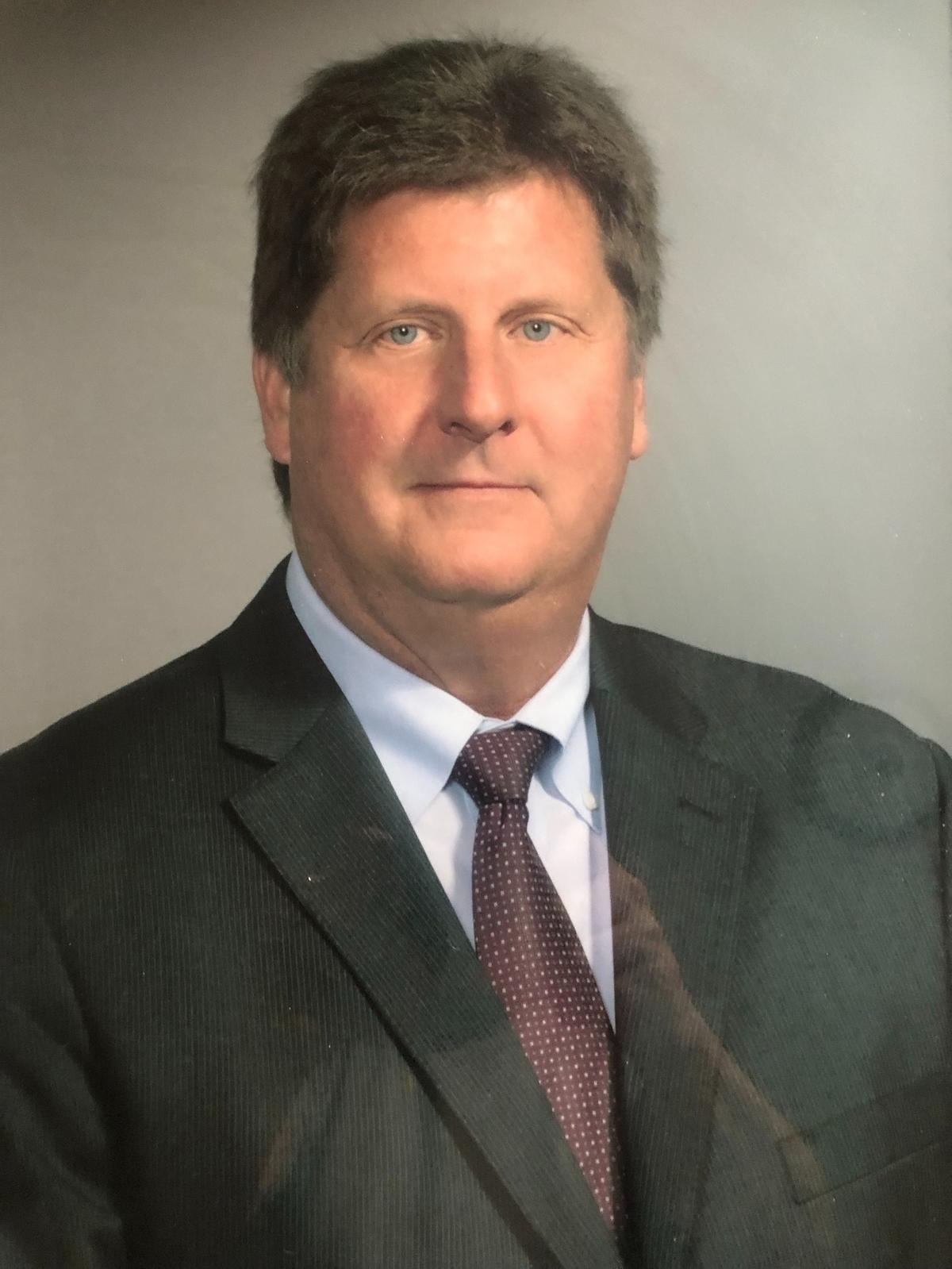
Keller attended the Jan. 13 meeting but did not participate in the discussions or the vote.
“I contested and was disappointed in the substance of the complaints, as they were filed during a hotly contested campaign season, and in most cases decades ago and not when I was serving as a commissioner,” Keller said in a written statement to the Herald.
“I am grateful that the commission found the large majority of the allegations baseless. I accept the decision of the commission.”
It’s unclear if that will end the months-long upheaval because the Washington state Auditor’s Office confirmed to the Herald that it has received a complaint outlining concerns about the Port of Benton.
It says it will review those concerns and could incorporate them into the port’s next audit, which is scheduled to begin in late summer.
Port commissioner investigation
The allegations were contained in a pair of complaints lodged in the heat of the 2025 election.
Then-Commissioner Roy Keck filed the first while running unsuccessfully for re-election against Keller’s ally Bill O’Neil.
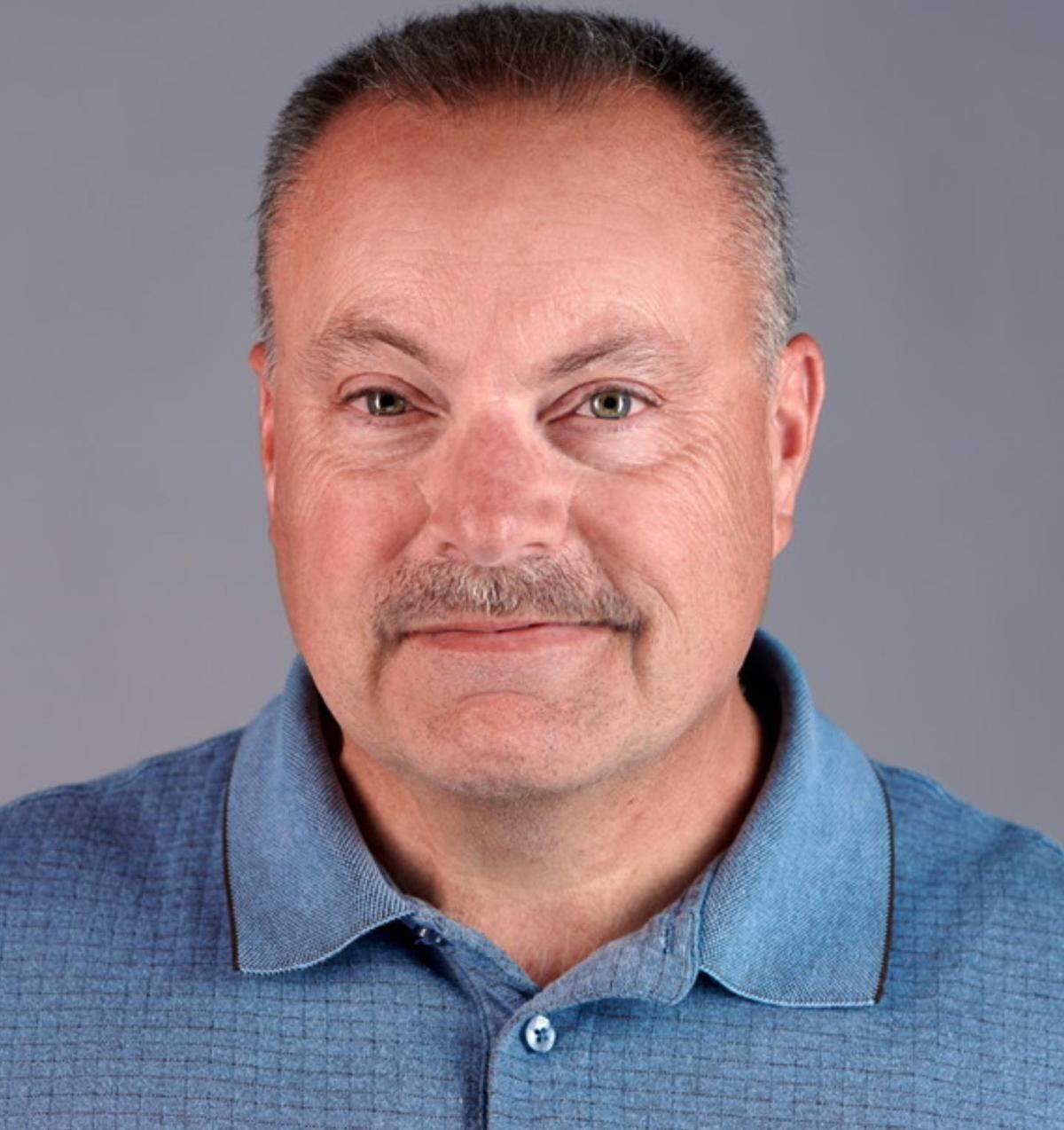
The second complaint consisted of a series of allegations reviewed by the port’s executive director, Diahann Howard, then forwarded to the board.
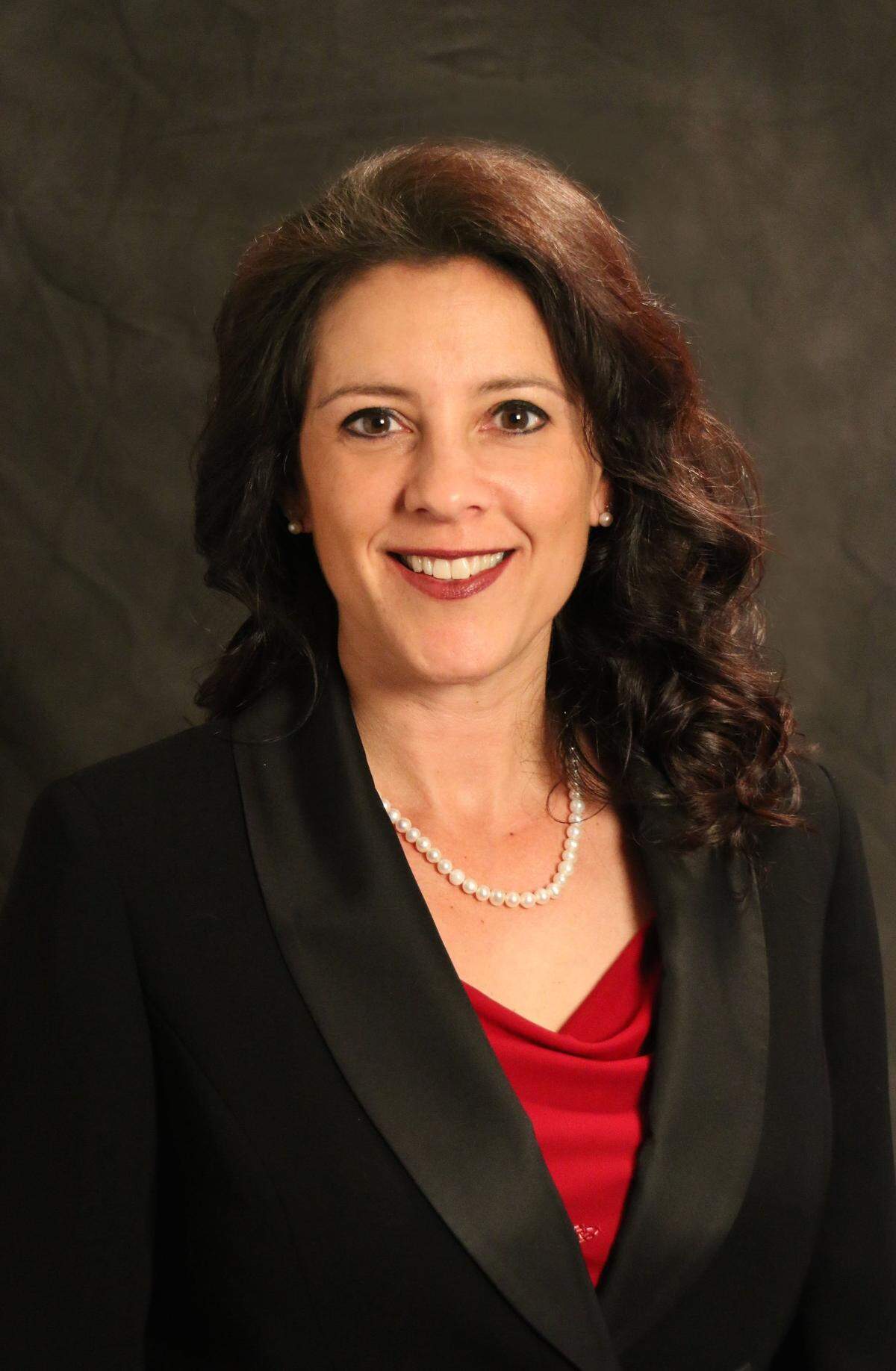
The port received the Schwabe report in December. It waited until after O’Neil succeeded Keck, to act on it.
At the first meeting of 2026, Keller, O’Neil and Stevens voted unanimously to investigate Executive Director Diahann Howard for unspecified reasons and placed her on paid leave.
Keller hired Howard when he was the executive director, and she succeeded him when he retired in 2019. No information has been released on that investigation.

The two complaints against Keller that prompted the Schwabe investigation cover Keller’s more than 30 years as a paid staff member, as well as his time as an elected leader.
During that time, Keller had wide but not unlimited authority to enter leases and other agreements on the port’s behalf. As an employee, he answered at all times to the elected board.
The Schwabe investigation is partly redacted to conceal identities.
However, most individuals including Keck revealed themselves or their names were openly discussed during commission meetings, which are open to the public. When known, the Herald is using their names since they are in the public record.
.JPG "SHi_j0241(4).JPG")
Buckskin Golf Club contract finding
The investigation concluded Keller violated state law against making gifts of public funds by setting below-market lease rates when his second cousin, Jeff Marcum, leased 55 acres in the flight path of the Richland Airport in 1998.
Marcum converted the site into the Buckskin Golf Club, considered an appropriate use for the land. The investigation notes he invested $400,000 to create the nine-hole golf course and related amenities.
Marcum operates the business under the name of M&R Golf Enterprises, according to state corporation records. He could not be reached by email about the report. His voice mail was full and could not accept a message.
According to the Schwabe report, Marcum’s original 10-year lease established rent for Buckskin at $5,000 per year, rising to $7,500 after five years. Buckskin was to pay 10% of its green fees to the port.
However, the investigation found Buckskin did not pay the increased amount after five years. The business continued to pay $5,000 a year, and the port never received a share of green fees.
In 2008, when the original lease expired, Keller become the port’s executive director.
A new lease was planned. The port’s finance director recommended a market rate rent of $9,500 a year, based on inflation and the $7,500 it had agreed to in its expired lease.
Instead, Schwabe found Keller renewed the lease at $5,000 a year for 10 more years. He was not authorized to enter leases over five years in length without commission approval.
It is unclear if the commission knew of the renewal. The Schwabe report said it could find no mention of the lease in any commission meeting minutes for 2009. And there was no documentation to support the lower rate.
“The evidence supports that entering into the unauthorized lease for below fair market value resulted in an unconstitutional gift to (name redacted),” the report said.
After receiving the Schwabe report, O’Neil and Stevens voted to take no action on the finding, noting that the lease was signed nearly two decades ago.
Richland Airport hangar finding
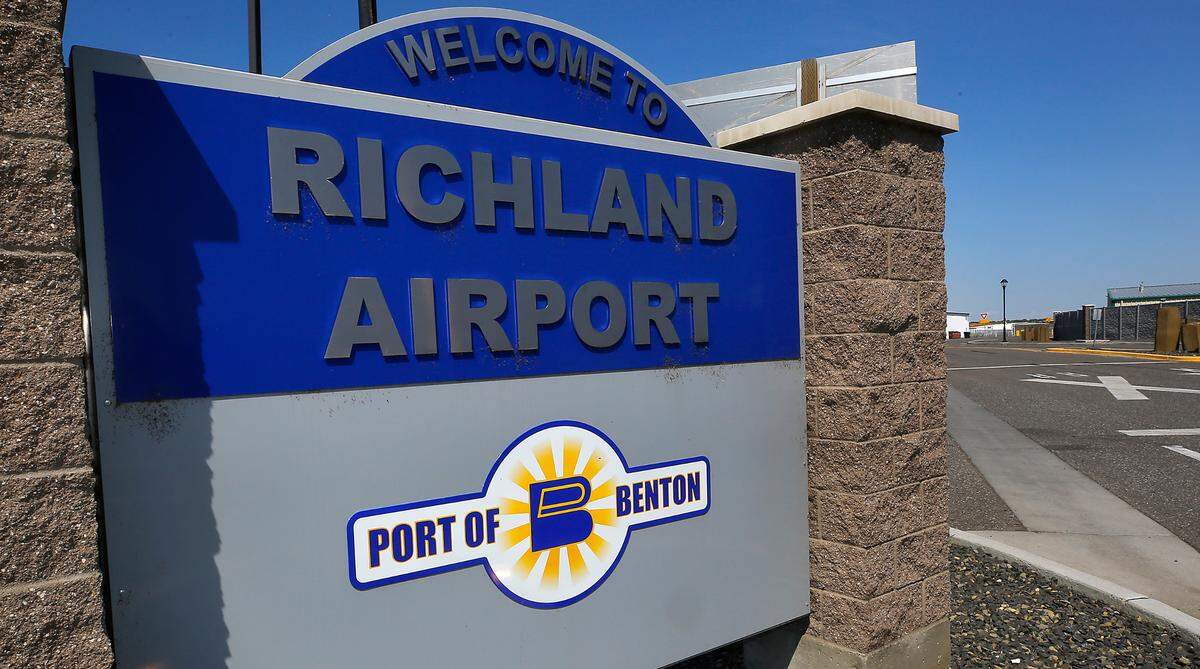
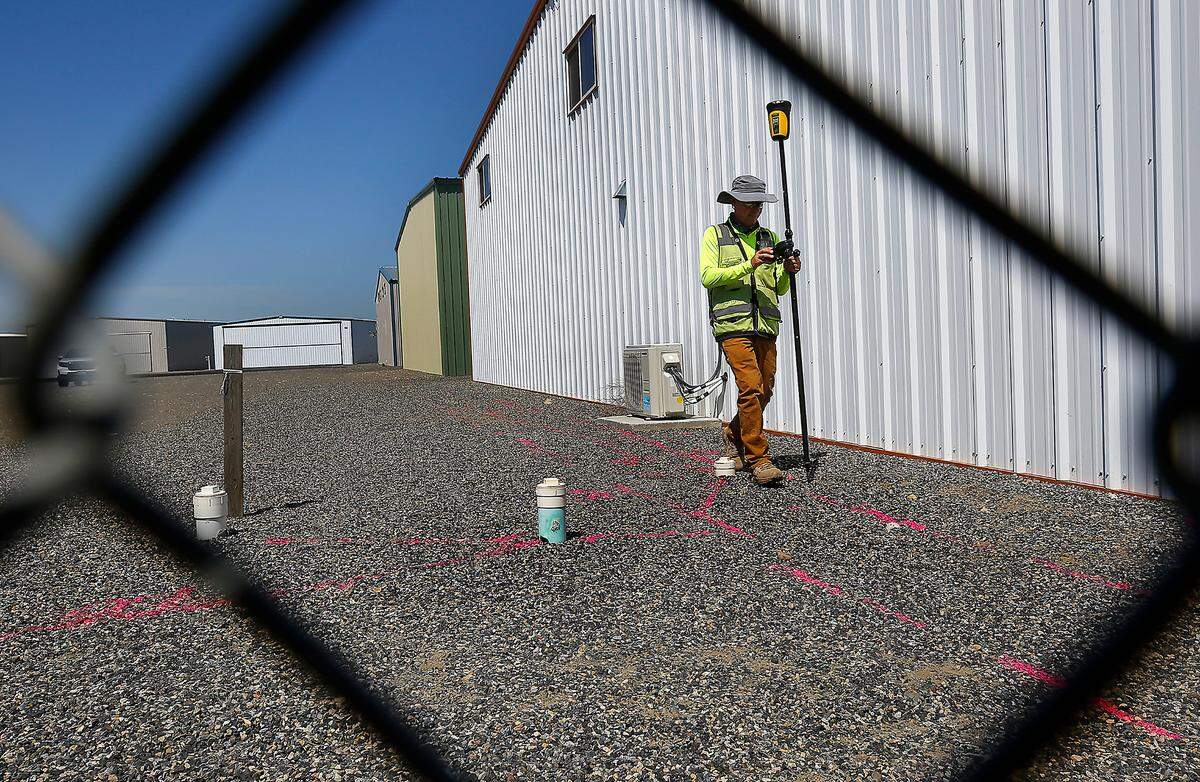
In June 2017, Keller purchased a private hangar at 2049 Butler Loop, on port-owned land at the Richland Airport, aware via real estate listings and discussions with agents that it had a questionable connection to a port-owned water meter.
Keller was the port’s executive director, but bought the hangar as a private citizen though a limited liability company he owns, The Axe, said the report.
The investigation said Keller violated state law by knowingly receiving public water and sewer service paid for by the port. “There is sufficient evidence that Commissioner Keller violated Washington state law by knowingly receiving public water and sewer services paid for by the Port of Benton for the hanger that he purchased....” the report said.
The Schwabe investigation confirmed the real estate listing indicated the hangar had an unpermitted bathroom and no legal connection to city water.
Keller discussed it with the real estate agent, email records show.
“I want to have my engineer look at options for connections either grandfathered in or a new connection. ****I must check out the feasibility of a new connection or connecting it up the ‘correct’ way,” he wrote in an email cited by the investigators.
Keller and a city maintenance foreman walked the airport and found hoses connected from hangars. Individuals on the airport advised Keller to “mind his own business.”
Nothing was done until 2025 when the city of Richland discovered unpermitted water connections during a test of the airport’s fire hydrants. It advised the port, which hired a contractor that used ground penetrating radar to map out all known and unknown utilities. Keller’s connection was discovered, and he was advised to resolve the issue.
In January, O’Neil and Stevens took no action on the finding, suggesting it was a misunderstanding.
O’Neil said the port was provided with a copy of a 1999 document that showed the port had agreed to provide water service to the hangar days before the meeting.
The Tri-City Herald has requested a copy of the 1999 document under the Washington Public Records Act but has not received it.
Hangar land lease finding
Keller altered the land lease for his airplane hangar on Butler Loop, the Schwabe report said. Lease payments are based on area, so reducing the area reduced the lease cost.
Keller reduced the ground lease from 0.25 acres to 0.16 acres, reducing his annual rent payment by about 27%.
However, Keller did not have the authority to approve the change. He did not report it to the commission for approval, the Schwabe report said.
“There is sufficient evidence to establish that Commissioner Keller failed to receive approval of the Port Commission for reducing the 2049 Butler Loop ground lease premises area ...” it said.
In January, O’Neil and Stevens took no action against Keller as a result of the finding.
If a review of easements around private hangars shows he underpaid, he will repay the difference without any penalties.
Port employee finding
The Schwabe report concluded Keller violated port rules when he told a port employee that, “Things are going to change,” once O’Neil was elected and took office.
The employee’s name was redacted. O’Neil used the employee’s full name in a public meeting. However, he is not named because he has since retired from the port. O’Neil and Stevens agreed Keller violated port policies, voted to censure him and told him to review commission rules and policies and to comply with them.
The Port of Benton meets in the commissioner conference room of the port’s administration building, 3250 Port of Benton Blvd., Richland. Meetings are broadcast as well. Go to portofbenton.com.