As immigration fears sweep Eastern WA, even priests worry about being deported
As widespread immigration fears sweep through Eastern Washington, even faith leaders are being impacted.
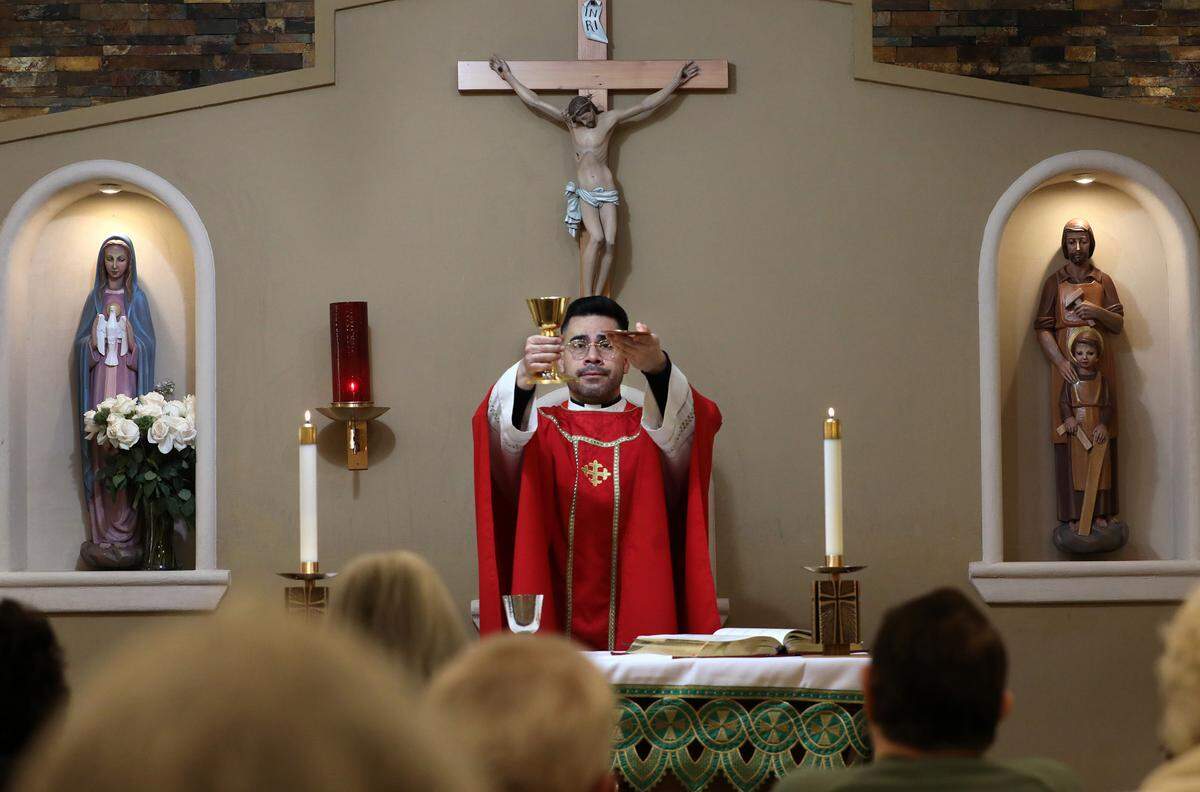
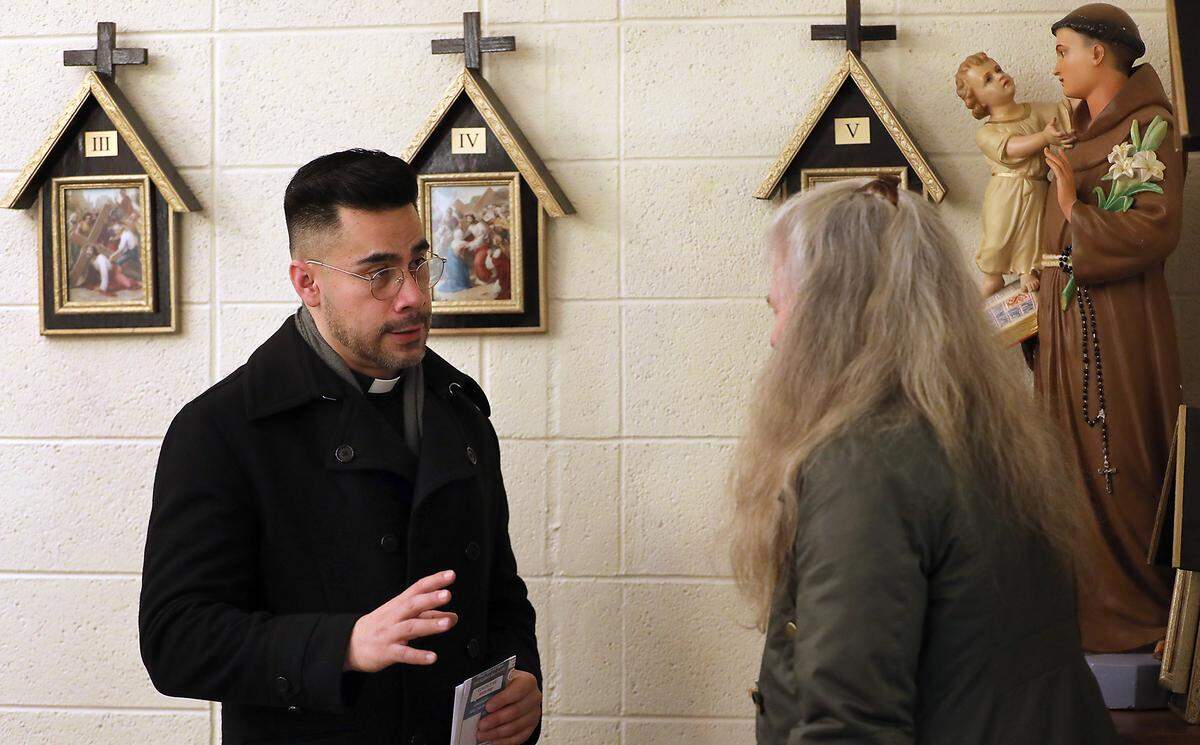
Rev. Cesar Izquierdo was days away from having to leave the U.S., and his parish, after his religious visa expired. It was impossible to get his pending green card in time.
He could have been deported if he remained in the U.S.
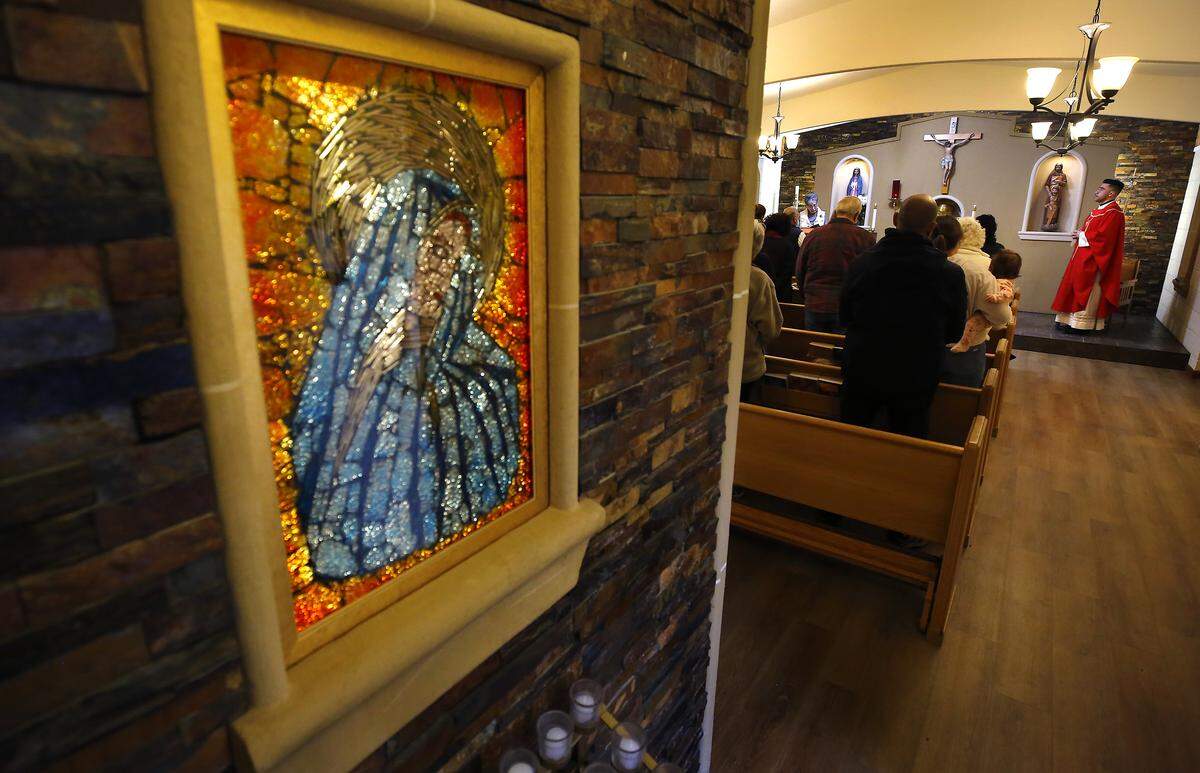
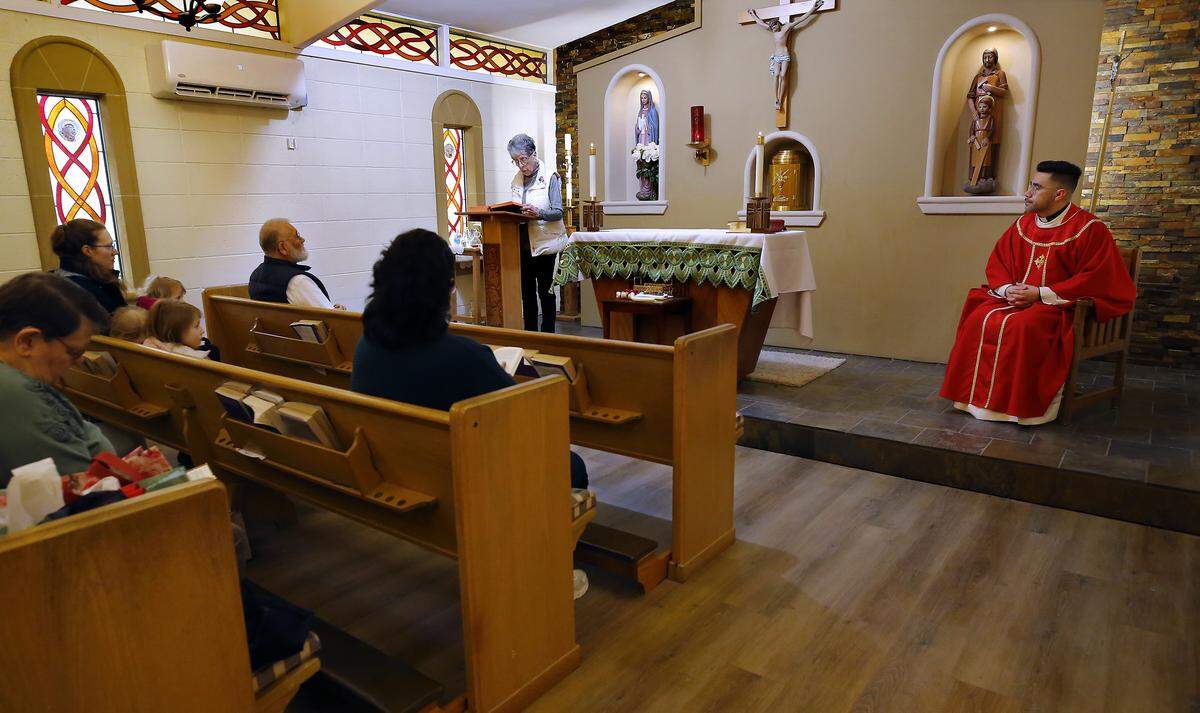
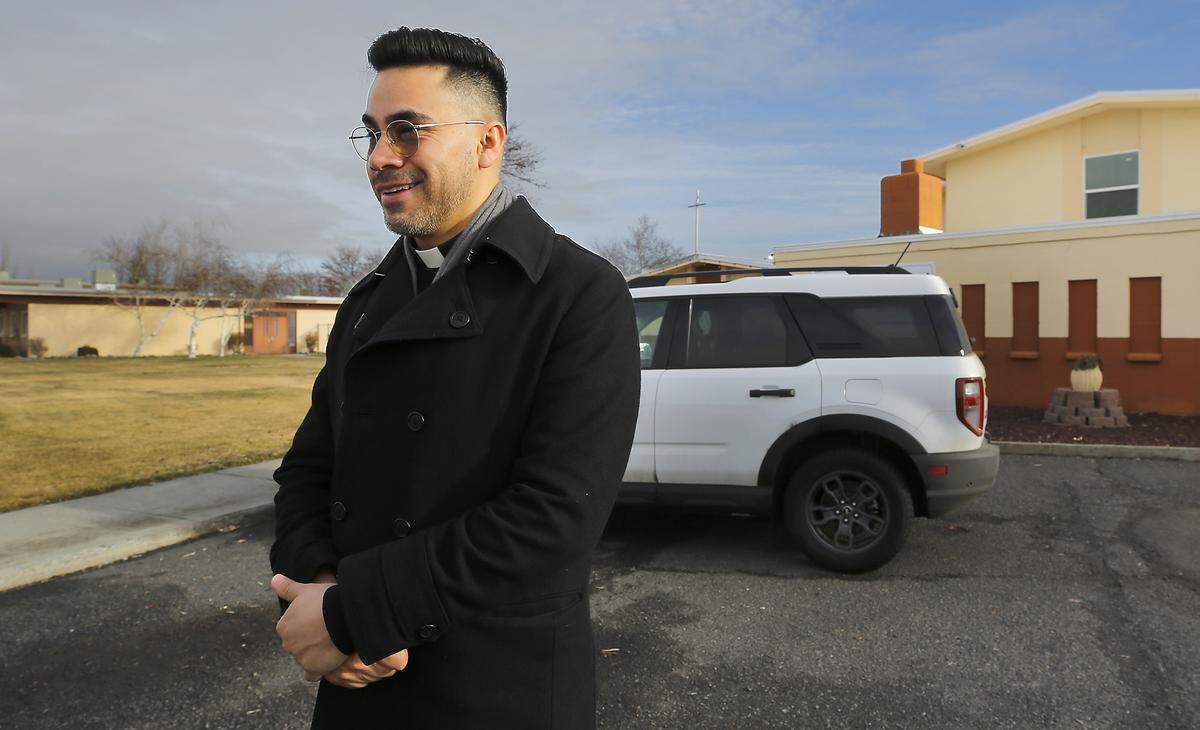
Izquierdo is the priest at St. Rose of Lima Catholic Church in Ephrata, about 100 miles north of Kennewick. He is originally from San Luis Potosí, a city in central Mexico.
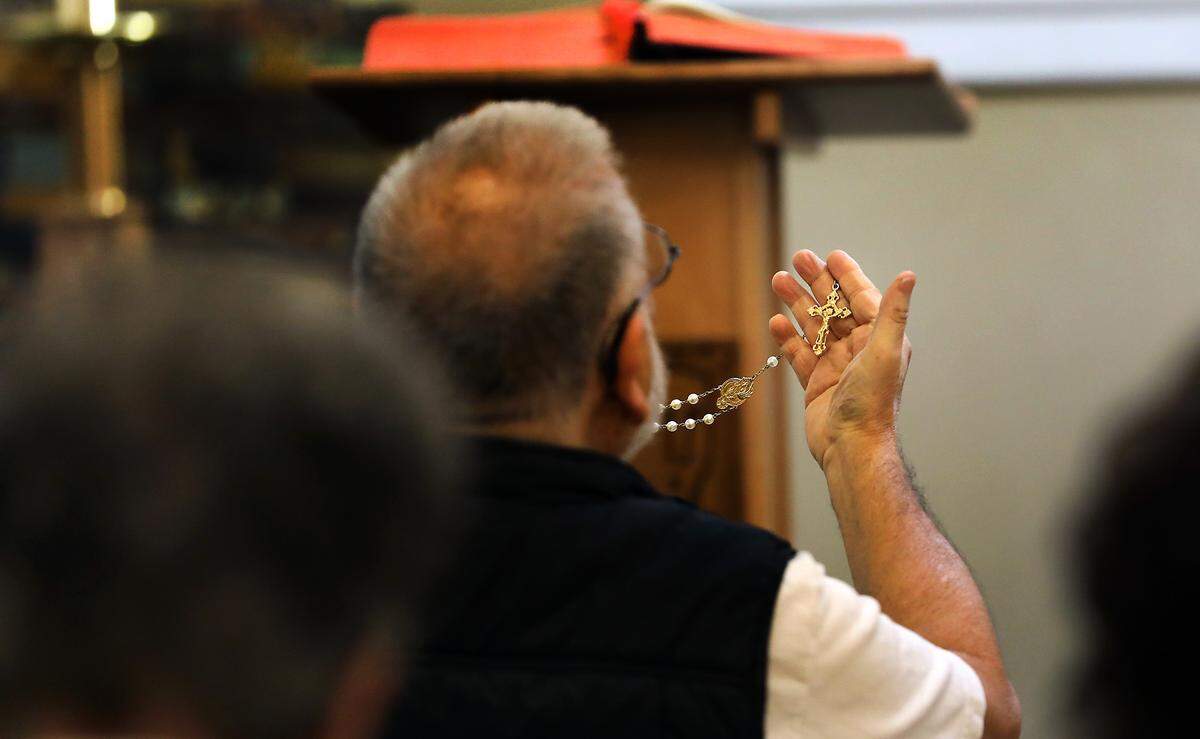
Already concerned about immigration crackdowns hurting their own families, parishioners said that their priest being deported would be devastating.
“He’s our link to God,” Paul Moreno told the Tri-City Herald.
The Catholic Diocese of Yakima is helping immigrant priests, seminarians and other religious workers navigate the complicated legal immigration process to maintain vital ministry.
Spread throughout Central and Eastern Washington, many churches in the diocese offer masses in Spanish.
About 75% of the 190,000 people served by the diocese are Hispanic. Most live in rural areas.
To meet the needs of the large Spanish-speaking population, nearly all of the diocese’s priests, seminarians and religious workers speak Spanish. To be ordained in the Yakima diocese, priests must be bilingual in English and Spanish.
Many of them are immigrants with temporary visas.
Church pushes back on ‘indiscriminate deportation’
As immigration enforcement has ramped up across the U.S., Catholic leaders in the Yakima diocese have noticed that while Sunday mass attendance is stable, participation has dropped in other religious activities due to widespread fear and confusion.
“On the whole, folks still feel fairly safe coming to church, and we haven’t had any enforcement activity that I’m aware of on or near a church campus,” Yakima Bishop Joseph Tyson said.
“What we’re trying to do is create pockets of freedom and openness and religious liberty in the midst of fear,” he said.
Some parishioners from Central and Eastern Washington have been detained and deported, or have self-deported.
“Immigration affects people’s faith and family life,” Izquierdo said.
In November, the United States Conference of Catholic Bishops issued a statement about immigration. Tyson was one of the 216 bishops who voted in favor of the message. Only 5 bishops opposed it.
“The church certainly respects the right for secure borders,” Tyson said.
“But personally, I do not know of a single deportation of any of our parishioners where the person has committed a crime. Most of the people being deported don’t have (criminal) offenses.”
“That’s why the bishops across the board are concerned about indiscriminate deportation of hardworking people who have been here, oftentimes for many years, working in construction and agriculture, who do not have any type of record and are being deported now,” he said.
“I think that’s what’s creating the fear. If this were surgical, they would be taking out violent criminals or drug dealers. That is not what is happening.”
The Yakima diocese is the third-largest diocese in the Pacific Northwest after Seattle and Portland.
It includes nearly 40 Catholic churches in Benton, Chelan, Douglas, Grant, Kittitas, Klickitat and Yakima counties. Three are in the Tri-Cities — St. Joseph Parish and Parish of the Holy Spirit in Kennewick, and Christ the King Catholic Church in Richland.
St. Patrick Catholic Church in Pasco falls under the Catholic Diocese of Spokane.
Immigration challenges for a beloved priest
The Catholic Church in Central and Eastern Washington continues to push back on “indiscriminate deportation” as both shepherds and flock are in danger of having their lives upended.
Izquierdo was working in the U.S. on an R-1 visa, a type of visa issued to non-immigrant religious workers — priests, pastors, missionaries and nuns.
Last June, his visa expired.
R-1 visas are valid for a maximum of five years.
After two years, the religious worker can apply for a green card. Izquierdo already was in the process of getting one.
To help Izquierdo, the Yakima diocese worked with immigration attorneys at Roach & Bishop law firm in Pasco to apply for an F-1 student visa so Izquierdo could remain in the U.S. to complete religious studies for the next five years.
The church community was notified at a Sunday mass that he would be leaving. Izquierdo said he’s never seen so many people crying at one time.
Thankfully, within a few days of the sobering announcement, Izquierdo’s student visa became active.

Religious workers ‘in danger’ of losing status
It was a short-term fix for a complex problem. And it’s not uncommon.
About one in five priests and seminarians in the Yakima diocese are on visas of some kind.
“We reviewed all of our cases to find out who is in danger the soonest,” Pasco immigration attorney Eamonn Roach said, referring to religious workers in the diocese who need their visas renewed or updated.
Up until recently, after five years with the visa, the religious worker had to leave the country for one year, according to federal law. Then they could apply for a new visa.
The challenge, legal experts say, is that it’s taking longer than five years for a green card to be processed.
So the R-1 visa is likely to expire before the religious worker can secure a green card.
Currently, a green card is taking more than 13 years to process. The Department of State is processing green cards from July 2013, Roach said.
A new rule issued by the U.S. Department of Homeland Security on Jan. 14 removes the requirement for R-1 religious workers to reside outside the U.S. for a year upon reaching the visa’s five-year maximum period.
The R-1 visa rule change, by eliminating the requirement to have residency outside the U.S. for one year before reapplying, is expected to help prevent these religious workers serving U.S. faith communities from having to be reassigned outside the U.S.
This story is part of a series focusing on immigration and religion. The series is being co-published by the Tri-City Herald, The Wenatchee World and Northwest Public Broadcasting with the Murrow News Fellowship.