
Health insurance could double for thousands in Tri-Cities and Eastern WA
AI-generated summary reviewed by our newsroom.
- Sen. Cantwell report says Tri-Cities ACA health care premiums could double
- Franklin and six rural counties face increases of 100% or more on WA marketplace plans
- Benton County premiums for purchasing insurance to increase 91%
Tri-Cities area residents will see some of the largest increases in health insurance costs in the state if they buy their own Affordable Care Act health insurance, according to information from Sen. Maria Cantwell, D-Wash.
For some people, costs are expected to more than double.
The expiration of the Enhanced Premium Tax Credit, higher equipment prices due to tariffs and rising costs of delivering care are to blame, according to a report prepared by Cantwell.
The expiration of tax credits used by almost 217,000 Washington residents is one of the sticking points for congressional Democrats in the federal government shutdown.
The tax credits are used by people who buy their own health insurance, such as small business owners, self-employed people and people who don’t qualify for government health care programs, including those who retire before they turn 65 and don’t yet qualify for Medicare.
Franklin County’s 1,844 residents who buy their own insurance through the state’s Affordable Care Act marketplace exchange will see their costs more than double because of the expiration of the Enhanced Premium Tax Credit, according to Cantwell’s report.
They would increase 116%, it said.
Franklin County is one of seven counties in the state with increases of at least 100%, all in rural regions in central and Eastern Washington.
They include Yakima, Grant, Adams, Douglas, Chelan and Ferry counties, in addition to Franklin.
Benton County would see a higher increase than 26 other counties at 91%, according to Cantwell’s report.
About 4,800 residents of Benton County buy their own health insurance on the Affordable Care Act marketplace exchange.
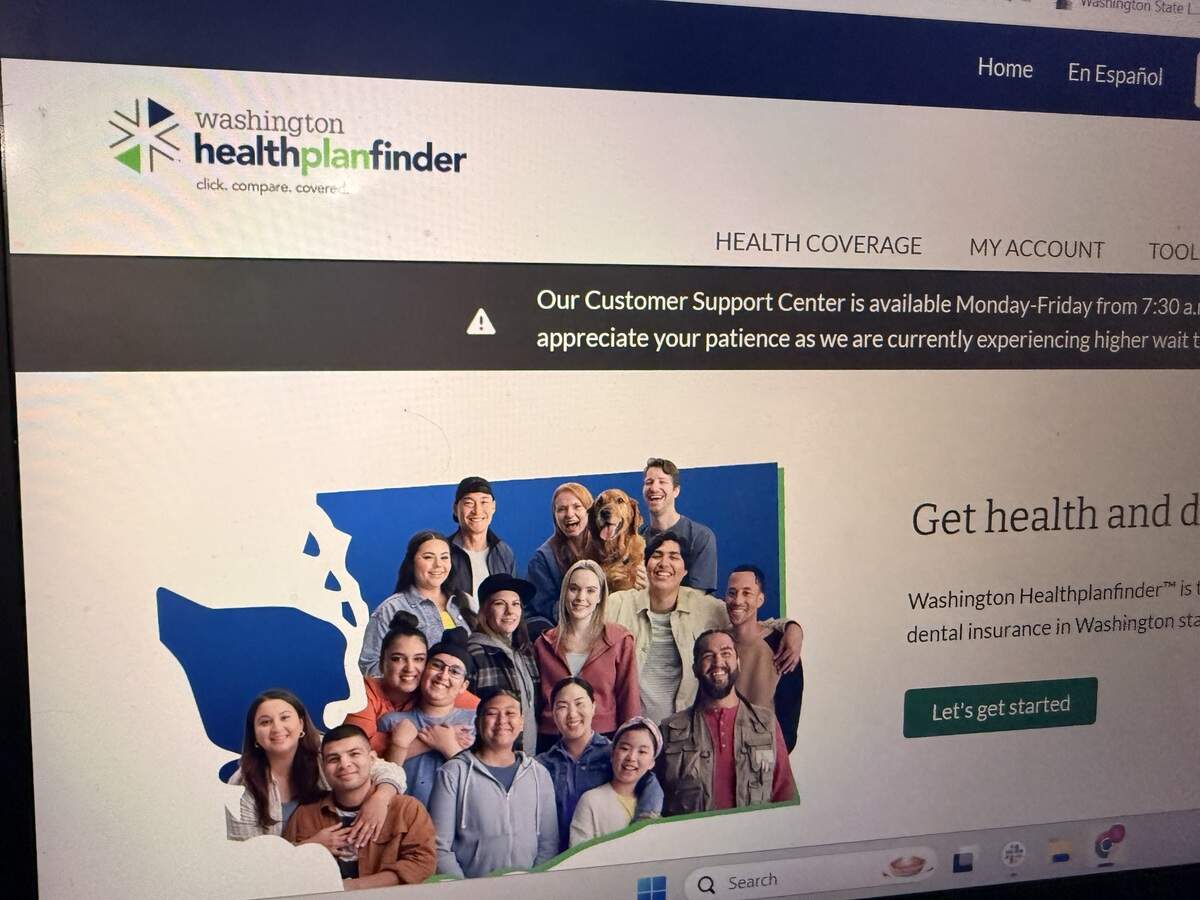
Cantwell’s office compiled information for the report from the Washington Health Benefit Exchange, the state’s online marketplace for health and dental insurance.
The increased costs also include the largest increase in insurance premium rates since 2018 — an average increase of 21% in 2026 for Affordable Care Act marketplace exchange plans.
They are nearly double the growth rate from 2024 to 2025 and around 10 times the rate of inflation, Cantwell wrote in a letter to President Trump and Congressional leaders.
Government shutdown
Although the price increases and loss of tax credits will not kick in until 2026 begins, open enrollment at Washington Healthplanfinder starts Nov. 1 and Washington residents could log onto wahealthplanfinder.org to preview plans and options starting Tuesday, Oct. 21.
“That means, today, families are logging on, looking for health coverage for next year, and coming face to face with massive price hikes because Republicans downright refuse to work with us to do something about it,” said Sen. Patty Murray, D-Wash., in a statement Tuesday.
She’s spoken to small business owners who will either have to close down or give up their health care, she said.
Republican lawmakers have pointed out that the enhanced premium tax credits don’t expire until December.
But that doesn’t mean that Congress has until the end of December to act, said Ingrid Ulrey, the chief executive officer of Washington Health Benefit Exchange.
“The credits do expire at the end of the calendar year, but customers will see the higher premium costs until a solution can be remedied, which will take time,” she said in a statement.
The health benefit exchange estimates that 80,000 Washington residents will be hit with premium increases that are so large that they may drop their coverage.
“This, combined with Medicaid coverage losses resulting from the big budget bill recently passed by Congress, threatens to put enormous pressure on our health care system and result in higher prices for everyone,” Ulrey said.
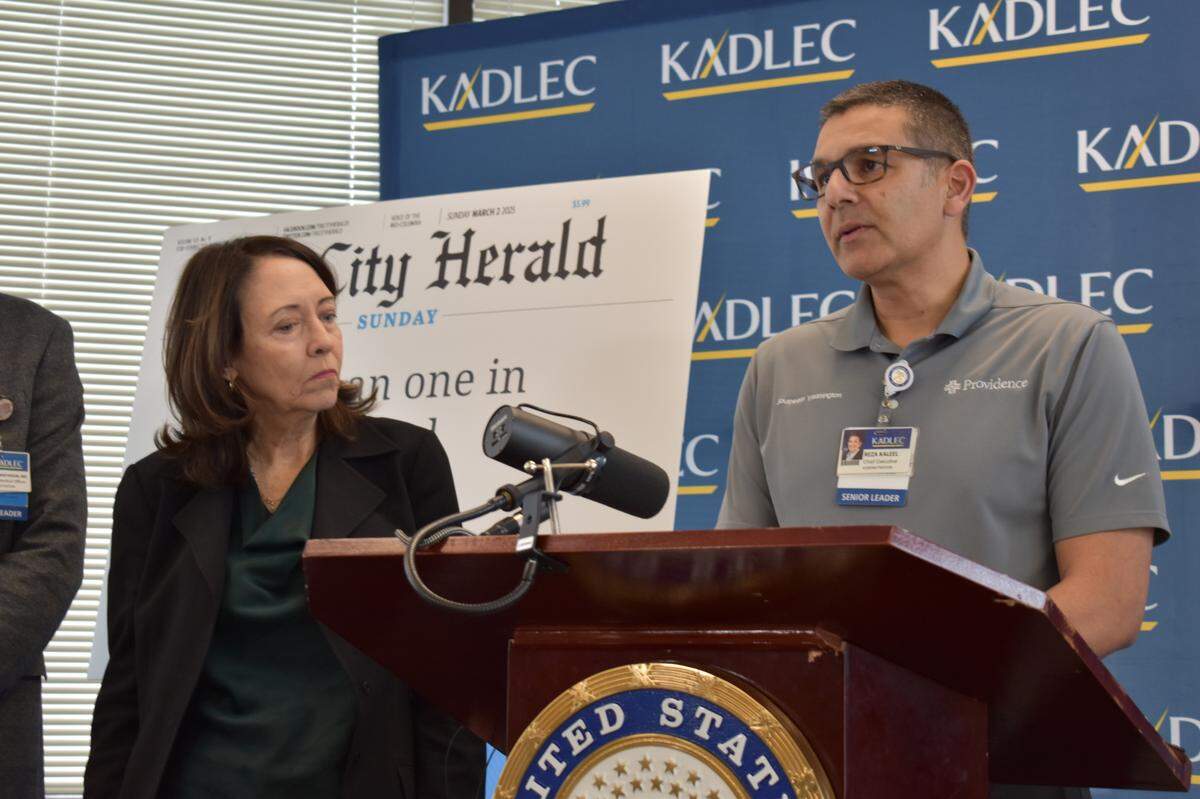
The Washington Health Benefit Exchange has been sharing stories of Washington residents who rely on tax credits, including a Toppenish woman in her late 40s.
Having the tax credits, “it’s everything for me because otherwise we’re not going to have medical ... we’re not going to be able to afford it,” she told the health benefit exchange.
She has to prioritize rent and utilities over health insurance, said the woman, an employee of a food bank for 20 years who does not get health insurance through her job.
Before she had health insurance, she skimped on preventative medical appointments for herself and her children, which led to a $5,000 visit to the emergency room, she said.
She said that the low-income families she sees at the food bank will also be making the same difficult choices to stretch their budgets without the help of health insurance tax credits.
“Families are still reeling from sky-high inflation on everyday expenses like electricity, housing and groceries,” Cantwell said.
Now, some will be paying hundreds or even thousands of dollars more next year for the exact same plan, and will be downgrading their coverage or foregoing health insurance, she said.
She called on Congress this week to act immediately to extend the expiring tax credits, or see the financial burdens for many Americans increase.
Republicans have said the right time for negotiations is after the government reopens, with some contending that the subsidies are driving waste, fraud and abuse.
This story was originally published October 22, 2025 at 5:00 AM.