Pasco’s health plan is in danger. City weighs $6.5M loan, higher premiums
AI-generated summary reviewed by our newsroom.
- Pasco discovers $2.5M health fund deficit and considers a $6.5M loan.
- Loan repayment will cost $789K annually from 2026 to 2035 and strain reserves.
- If loan is ruled out, city faces program closure, and more costly options.
Pasco leaders were caught off guard when they recently found out the city’s self-funded health insurance fund is operating with a nearly $2.5 million deficit. It could be at risk of closing if they don’t act quickly.
The city is trying to make up for the shortfall with a $6.5 million loan from the city’s community and economic development fund. The loan has a repayment expense of $789,000 annually from 2026-2035, which includes a 4% interest rate.
The city was spending reserve funds to keep the account financially sound. But with rising healthcare costs and increased claims among other factors in the last year and a half, the fund now is out of reserves and in the red. City staff’s insurance premiums also haven’t increased since 2014, creating a stagnant revenue stream.
The loan will take $6.5 million in reserves from the community and economic development fund. City staff says the loan won’t impact that department’s projects, including land use planning, housing improvement and development, code enforcement, zoning and property maintenance.
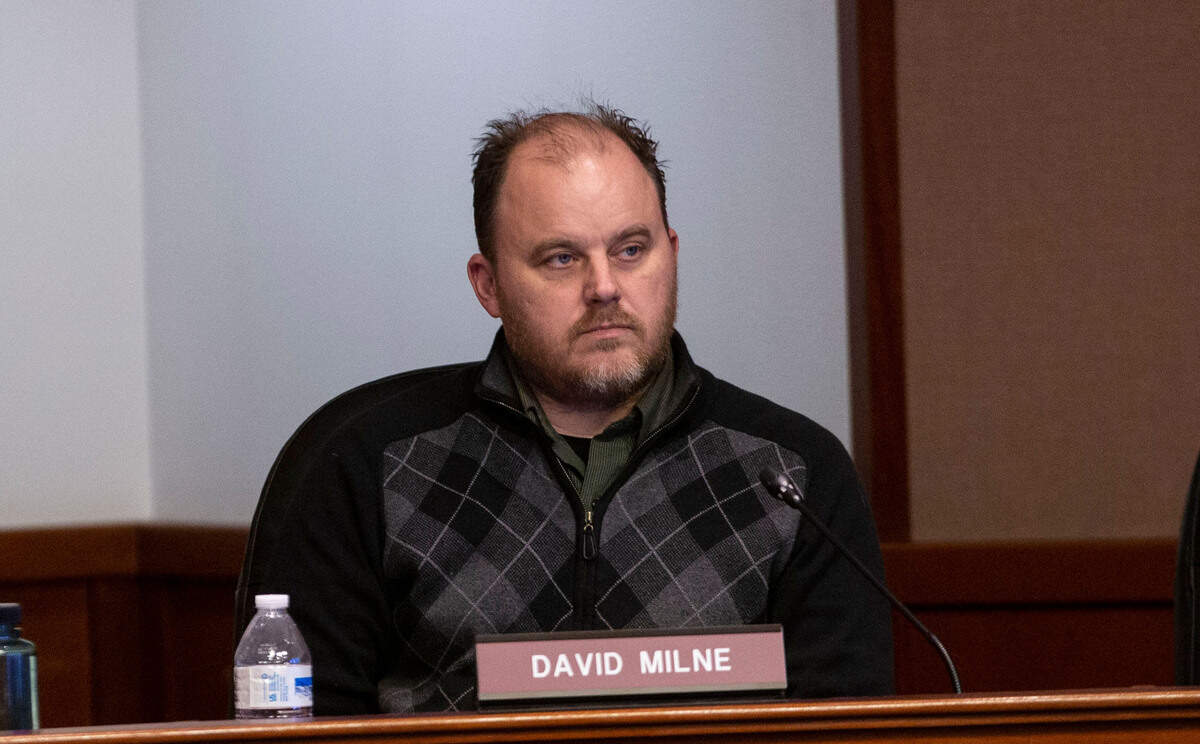
Mayor David Milne told the Tri-City Herald this week that the Pasco City Council learned about the deficit a few weeks ago during a closed executive session with staff, including City Manager Harold Stewart. Milne said the news took the council by surprise.
He said that the council’s general feelings are “unhappiness and frustration.”
Healthcare fund at risk
Interim Finance Director Griselda Garcia presented to the council at its Oct. 6 meeting and proposed the loan for the council to either approve or modify.
But the council decided it needed more time to consider the city’s options.
The council is expected to discuss how to move forward at their Oct. 20 meeting.
If the loan isn’t approved, the city is at risk of being non-compliant with state requirements and Pasco’s health insurance program would be forced to close.
Closing the program would jeopardize employee health coverage and require a costly transition to a private insurance provider. Garcia said that it would cost the city an additional $6.8 million to move to a private program with a minimum three-year agreement.
In addition, premiums would increase 8-10% annually.
The city has 60 days after the end of the year to report to the state with a budget plan.
No premium increases in 11 years
Since 2014, Pasco’s public safety employees — firefighters, police and paramedics — have been paying about $174 per month for health insurance. All other city employees, including administrative professionals and department directors, pay $154 per month.
Dental insurance is about $12 per month and vision insurance is between $6-6.50 monthly.
Currently, the flat rate covers employees and any dependents, regardless of family size.
Milne said that there will be a premium adjustment for staff as soon as the upcoming enrollment period, but it’s unclear how much of a change it will be. There are ongoing discussions between the city manager’s office and the city’s human resources and finance departments.
It is also likely that individual department budgets will take a hit because the city would need to pay increased employer premiums.
The open enrollment period for city staff begins Nov. 1, so the council and city staff will need to make a decision within the next month.
Garcia said that the city is looking to move away from a composite rate and instead have tiered rates for individuals and families.
“While administratively simple, the composite approach is less aligned with industry standards which typically used tiered rates to balance contributions. The composite structure has contributed to higher cost burdens on the fund as family enrollments have grown,” Garcia’s agenda report says.
As Pasco faces a multi-million dollar budget shortfall, departments already are being asked to tighten their wallets.
The city is prepared to spend about $9.7 million in reserves over the next two years as needed, as well as pull back spending across departments to make up for operational deficits in the budget.
That’s likely to mean it’s going to be harder for the city to lessen the impact on employees by spreading out the increased costs across city departments.
This story was originally published October 8, 2025 at 3:12 PM.